REVIEW · QUEENSTOWN
Queenstown Helicopter Tour: Glacier Landing and Scenic Views
Book on Viator →Operated by Heliworks Queenstown Helicopter Flights · Bookable on Viator
That first look from the helicopter always hits hard. This Queenstown flight blends glacier landing thrill with big Southern Alps views, and it’s built for people who want photos that look like they came from a postcard… but closer.
I especially like two things: the chance to step onto real glacier ice for about 10 minutes, and the way the route mixes Skippers Canyon’s dramatic scenery with the Tyndall Glacier’s standout blue ice formations. One thing to consider is that the whole experience depends on weather, so plan for schedule flexibility.
If you’re deciding whether it’s worth the money, focus on what you’re actually paying for: a short, guided flight with a snow landing, live commentary, and small-group access to places you can’t reach any other way.
In This Review
- Key highlights at a glance
- Glacier Landing Above Queenstown: What You’re Really Paying For
- The Flight Path Over Queenstown and Skippers Canyon
- Tyndall Glacier Pass: Blue Ice, Seracs, and Crevasses
- Mount Aspiring Snow Landing: Stepping onto the Ice
- The Return Flight Back to Queenstown: Valleys, Ridgelines, and Photo Timing
- Price, Value, and Who This Tour Fits Best
- Practical Stuff Before You Go: Timing, Meeting Point, and What to Expect On Day
- Should You Book This Glacier Landing Tour?
- FAQ
- How long is the Queenstown helicopter tour?
- How long do you spend on the glacier?
- What’s included in the tour price?
- Where does the tour start and end?
- What does it cost per person?
- Do I need good weather for this experience?
- What happens if the tour is canceled due to poor weather?
- Can I cancel for a full refund?
- Is there a limit on the number of travelers?
- Is there a weight limit?
Key highlights at a glance
- Snow-covered glacier landing (about 10 minutes) so you actually step out and look around
- Tyndall Glacier ice pass with close-up views of blue ice, seracs, and crevasses
- Skippers Canyon views from the air, including its gold rush-era story
- Mount Aspiring snow landing area with towering peaks and shimmering ice in the same stop
- Small shared group (max 15 travelers) plus live pilot commentary
- Free reschedule or refund options if poor weather cancels the flight
Glacier Landing Above Queenstown: What You’re Really Paying For
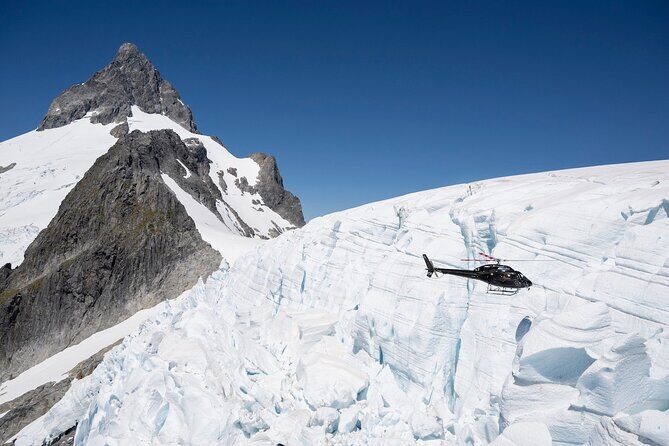
This tour is not just a sightseeing flight. You’re paying for one main experience: a glacier landing covered in snow, with time on foot on the ice. That changes everything. Instead of viewing from windows at 1,000+ feet, you get to stand near what you came for.
Your flight time is about 50 minutes, but the most memorable block is the time on the glacier—around 10 minutes. It’s long enough to take photos, soak in the scale, and get your bearings, but short enough to keep the experience moving. That balance matters, because glacier landings are weather- and safety-dependent.
You also get live commentary from the pilot, which helps the scenery make sense. Queenstown is surrounded by dramatic terrain, but from the air you can quickly lose your sense of direction. Having a local pilot guide the story makes the views feel less random and more connected: lake and peaks first, then canyon country, then the glacier itself.
Finally, it’s a shared experience with a maximum of 15 travelers. That size is big enough to keep things efficient, but small enough that it doesn’t feel like a mass event.
Other Queenstown tours we've reviewed in Queenstown
The Flight Path Over Queenstown and Skippers Canyon
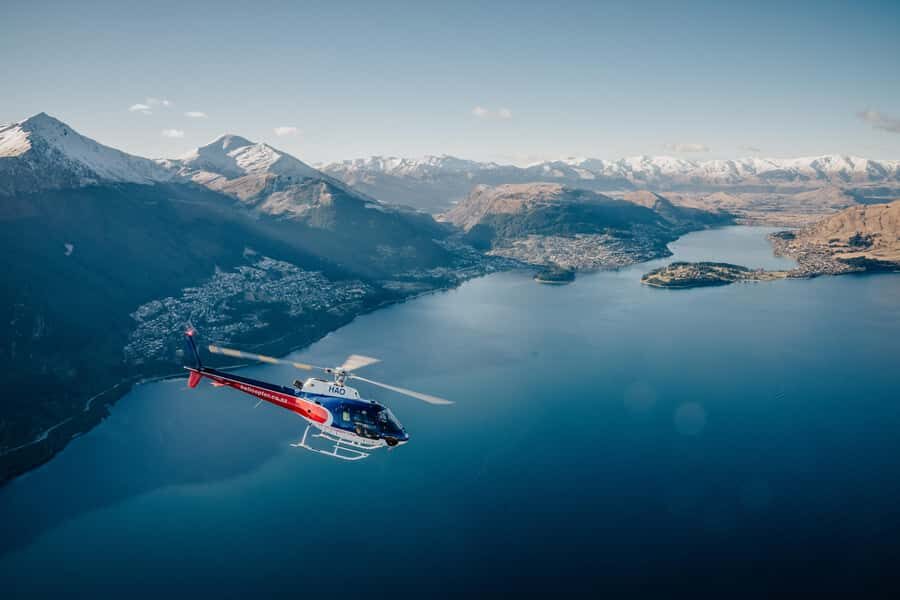
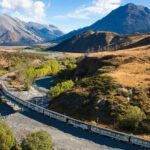
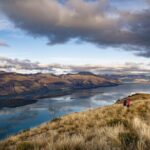
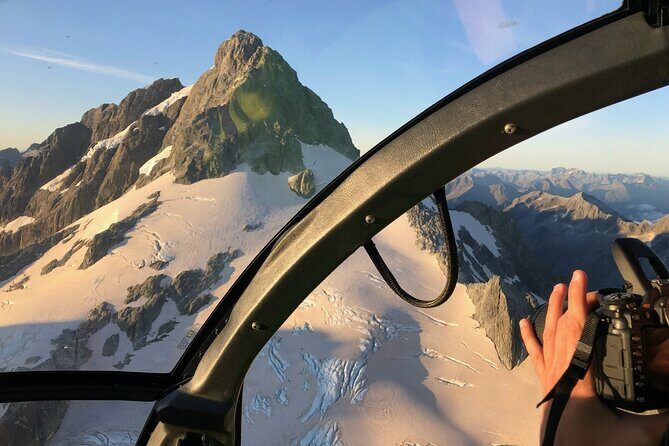
The adventure starts with an aerial look at Queenstown’s lake and alpine peaks, then you head west toward the Southern Alps. From the beginning, you’ll get that immediate sense of scale—patchworks of water, ridges stacked on ridges, and mountains that look too big for the map.
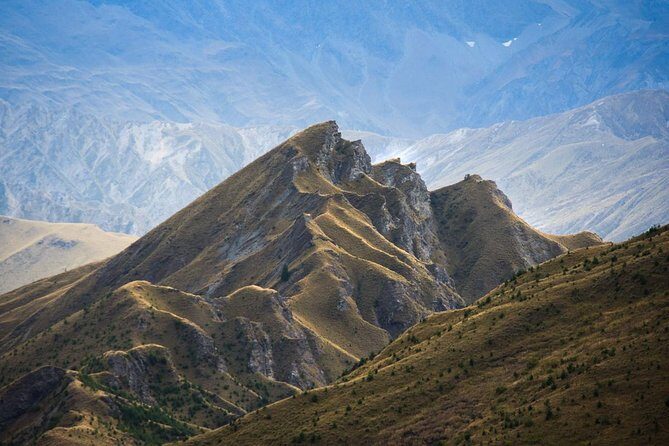
Then comes the part many people remember: Skippers Canyon. This canyon is famous for its gold rush history, and seeing it from above helps you understand why prospectors cared so much. The air view shows how the land funnels routes through steep country, and how the canyon walls create a natural corridor. It’s one of those places where a story you’ve heard on the ground suddenly clicks when you can see the shape of it.
This is also a strong section for photography. You’ll likely find yourself wanting to shoot both wide frames and tighter compositions. The canyon view works best for wide angles because the drama comes from the walls and curves together. A helicopter window also frames the shot in a way that’s hard to recreate from a car.
One practical note: helicopters move fast, and views change quickly. So when you find something you love—like a sweeping canyon bend—don’t wait for the perfect moment. Get a first shot, then refine. That’s how you end up with a mix of keepers.
Tyndall Glacier Pass: Blue Ice, Seracs, and Crevasses
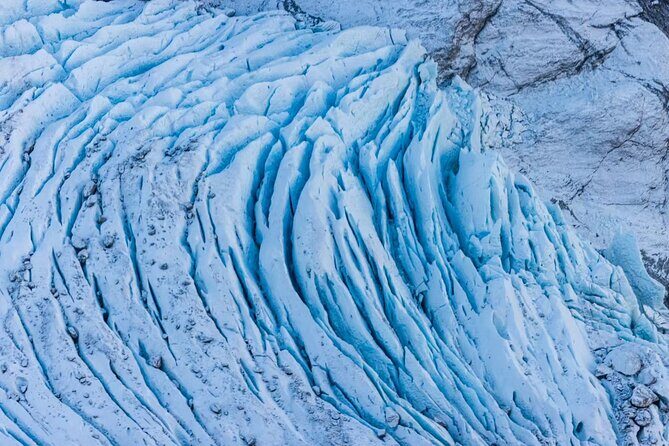
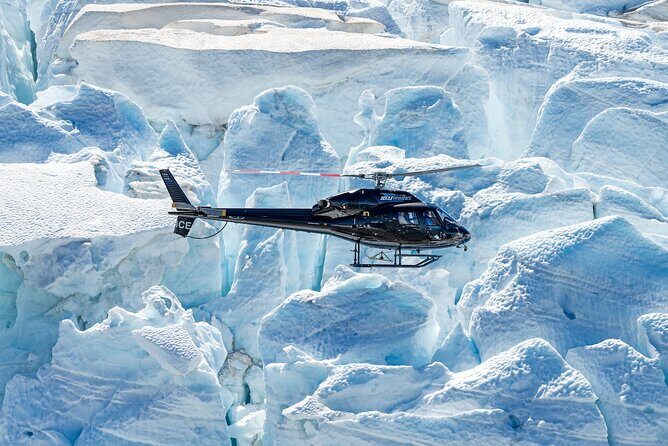
The Tyndall Glacier stop is where the tour goes from scenic to scientific-looking, in the best way. You’ll get up-close views of glacial blue ice formations along with towering seracs and ancient crevasses. Even if you don’t know glacier jargon, the visuals do the work.
Blue ice is the star here. Crevasses split the surface into sharp lines, and seracs add vertical drama that makes the glacier feel alive—like it’s been carved by time at high speed. Aerial views are ideal for this section because you can see patterns across the ice and how features relate to each other.
This part also tends to be the most photograph-driven. From above, you can capture the geometry: bright ice against darker shadows, and the way cracks run and re-run like a map. If you’re the type who likes to compare photos later and spot what you missed in the moment, this is your bread-and-butter segment.
And since the glacier experience is about more than one view, it’s smart that the tour doesn’t just rush straight to landing. The glacier pass helps you get oriented to what you’ll be seeing up close. Then, when you land, you recognize the shapes instead of starting from zero.
Mount Aspiring Snow Landing: Stepping onto the Ice
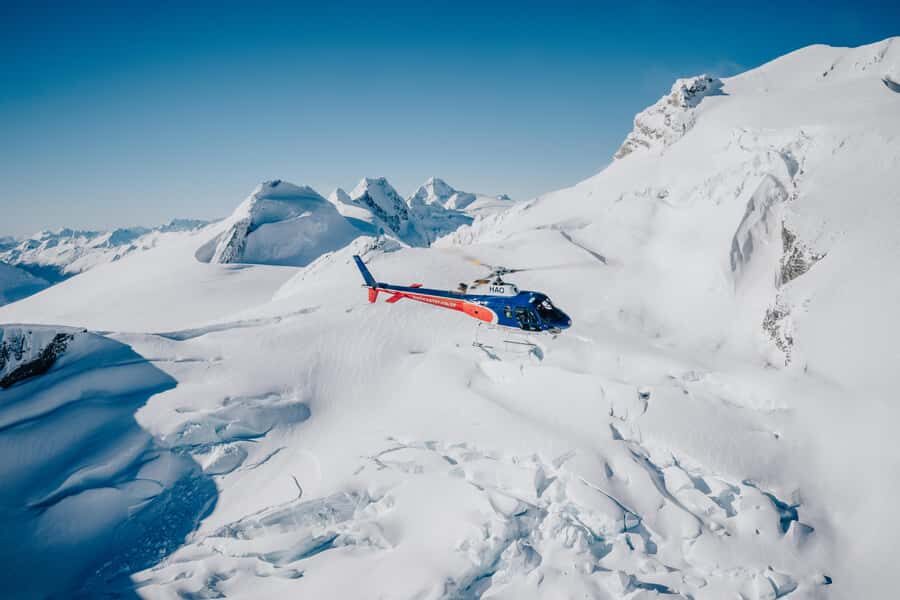
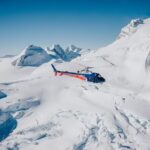
Then you land on the glacier—a snow-covered glacier landing—with a stop connected to the Mount Aspiring area. This is the moment that makes the whole booking feel different from a standard helicopter ride.
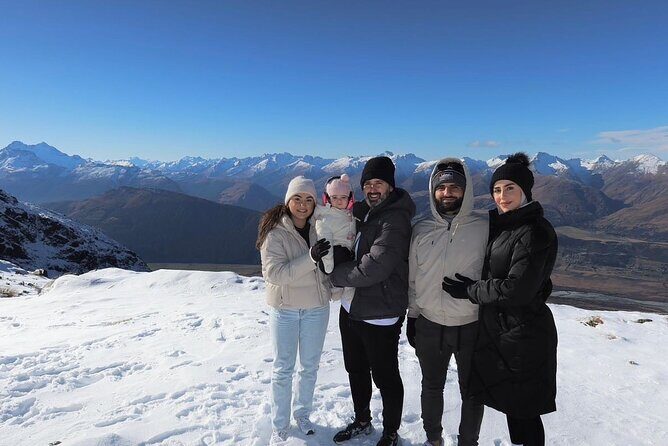
You step out into a frozen world surrounded by towering peaks and shimmering ice. The photos you’ll take here often become your best ones because you’re now working at human scale. Crevasses and texture don’t just look dramatic from above; they look dramatic beside you.
About 10 minutes on the ground means you’ll want to have your game plan fast:
- Start with a wide shot first, so you have the context.
- Then go closer for texture—ice edges, shadows, and cracks.
- Leave a minute at the end for any angle you wish you’d tried earlier.
This is also where you’ll feel the weight of place. A glacier isn’t just scenery; it’s a surface that holds history in its formations. Even if you don’t go deep into science, the physical presence comes through immediately.
Safety and time matter here, too. You shouldn’t expect to wander far. Think of it as a guided window onto the ice—enough to witness it, not enough to turn it into a hike.
The Return Flight Back to Queenstown: Valleys, Ridgelines, and Photo Timing
The ride home is more than transport. After the glacier stops, the flight heads back toward Queenstown, with awe-inspiring views over valleys and ridgelines. This is a great “second chance” for photos, because the lighting can change during the rotation, and you may see patterns you missed earlier.
If you’re picky about timing, pay attention during the outbound stops, then carry that lesson back for the return. The best shot often comes when you shift from chasing the biggest view to watching the ridgelines trace across valleys. Those lines are what make Southern Alps terrain look three-dimensional from the air.
Also, don’t underestimate how relaxing it can be once you’re past the landing moment. You’ve had the intensity of stepping onto snow and ice—then the flight becomes pure scenery again. It’s a nice rhythm: thrill, then reflection, then one last look before touchdown.
Other helicopter tours we've reviewed in Queenstown
Price, Value, and Who This Tour Fits Best
At $490.25 per person, this is a premium activity. So yes, it’s expensive. But it’s expensive in a very specific way: you’re buying access to a glacier landing, not just an overhead view.
Here’s how I think about value on tours like this:
- You’re getting a 50-minute helicopter flight experience.
- You get about 10 minutes on the snow-covered ice.
- You get live pilot commentary.
- It’s a small shared group (max 15).
- Optional hotel drop-off & pick-up is available, which can reduce hassle.
If you like wildlife tours, scenic drives, or basic canyon views, this might feel like overkill. But if your goal is once-in-a-lifetime glacier access and you care about photos that show real scale, the price becomes easier to justify.
This tour fits best for:
- Photography-focused travelers who want aerial variety plus a real ground-level glacier stop
- People who love dramatic geology and want to see glacier features up close
- Couples and small groups who want a compact adventure in under an hour
You should think twice if you’re extremely sensitive to schedule changes, since it requires good weather. And do check the practical limits: the total weight per passenger is 353 lbs. Service animals are allowed, and most travelers can participate, but always consider your comfort level in a helicopter.
Practical Stuff Before You Go: Timing, Meeting Point, and What to Expect On Day
The tour starts and ends at the same spot: 64 Grant Road, Frankton, Queenstown 9300. Even though hotel pick-up is optional, the meeting point is your safety net.
You’ll use a mobile ticket, so have it handy on your phone. Also remember it’s a shared experience—so you may ride in a small group with other guests. That’s part of why the cap stays at 15 travelers.
Duration is listed as 50 minutes (approx.), with the glacier landing portion about 10 minutes. That helps you plan your day. You don’t have to carve out half a vacation. Still, don’t book something ultra-tight right after, because weather checks can affect the timing.
What to bring? Since you’ll be on snow-covered ice, bring warm layers and gear that’s easy to move in. I’d also plan on having your camera ready early—glacier light and canyon light can look great quickly, and the helicopter timing doesn’t pause for your bag zipper.
Finally, know that the provider is Heliworks Queenstown Helicopter Flights. This is one of those operators where the pilot’s route choices matter a lot. You’re not just riding; you’re trusting a local team to get you there safely and efficiently.
Should You Book This Glacier Landing Tour?
Book it if glacier ice access is on your bucket list and you want a mix of Skippers Canyon storytelling plus the visual punch of the Tyndall Glacier and a snow-covered landing. If you’re chasing one signature “wow” moment that’s different from scenic overlooks, this delivers.
Skip or wait if you hate weather-dependent plans. This experience requires good weather, and if it can’t run, you’ll be offered another date or a full refund. Also, if your budget is tight, it’s hard to justify against cheaper scenic options. But if you want to stand on the ice—not just look at it from the air—this is the kind of splurge that usually feels worth it.
Given the consistently high satisfaction (a perfect score across reviews) and the flexibility shown when wind affected a scheduled flight, I’d feel comfortable booking with the expectation that the team will work to find an alternative when conditions allow.
FAQ
How long is the Queenstown helicopter tour?
The total flight time is listed as approximately 50 minutes.
How long do you spend on the glacier?
The glacier landing covered in snow is about 10 minutes.
What’s included in the tour price?
It includes aerial views, up-close views of blue ice formations and alpine terrain, the snow-covered glacier landing, live commentary, and optional hotel drop-off & pick-up (if selected). Meals are not included.
Where does the tour start and end?
It starts and ends at 64 Grant Road, Frankton, Queenstown 9300, New Zealand.
What does it cost per person?
The price is $490.25 per person.
Do I need good weather for this experience?
Yes. The experience requires good weather.
What happens if the tour is canceled due to poor weather?
If it’s canceled due to poor weather, you’ll be offered a different date or a full refund.
Can I cancel for a full refund?
Free cancellation is available up to 24 hours in advance of the experience start time for a full refund.
Is there a limit on the number of travelers?
Yes, it has a maximum of 15 travelers.
Is there a weight limit?
Yes. The total weight per passenger is listed as 353 lbs.