REVIEW · QUEENSTOWN
Glacier Explorer & Earnslaw Burn Helicopter Flight
Book on GetYourGuide →Operated by Glacier Southern Lakes Helicopters · Bookable on GetYourGuide
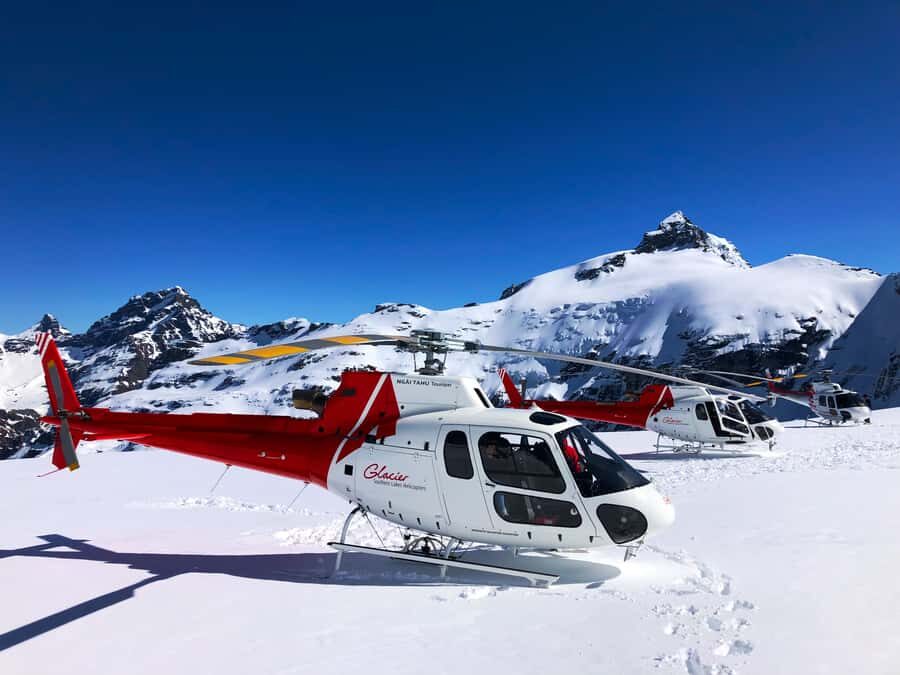
Glaciers from a helicopter beat postcard views. This 50-minute ride is interesting because it pairs a tight alpine route with a chance to step onto ice in Mt Aspiring National Park, and pilots often add story-level context en route (like the Lord of the Rings sights some guides can call out, including Isengard and Lothórien). I especially love the glacier landing moment when it’s available and the surreal scenery around Earnslaw Burn from the air.
One consideration: glacier landing limits in summer. Between January and June, snow cover changes can expose crevasses and landing spots can be limited, so you may end up flying over the glaciers only, or landing close to the glacier or on an alpine site instead.
In This Review
- Key things I think you’ll care about
- Queenstown hangar to helicopter: getting started fast
- Skippers Canyon and Rees Valley: the first big views come early
- Mt Aspiring National Park glaciers: icefalls, alpine lakes, and the science of shape
- Earnslaw Burn from above: why it looks otherworldly
- Glacier landing: the thrill, the timing, and the what-if plan
- Price and value: what you’re really paying for at $378
- Who should book this Queenstown glacier helicopter flight
- Practical tips before you go
- Should you book Glacier Explorer & Earnslaw Burn?
- FAQ
- How long is the Glacier Explorer & Earnslaw Burn helicopter flight?
- Where is the meeting point, and is hotel pickup available?
- Is a glacier landing guaranteed?
- What’s included in the tour price?
- What should I bring, and what is not allowed?
- What happens if weather affects the flight?
Key things I think you’ll care about
- 50 minutes, packed with canyon, river, and glacier scenery without a full day on the road
- Skippers Canyon and Rees Valley from above, with braided river patterns you can’t really see from shore
- Earnslaw Burn hanging glacier and waterfalls dropping into the valley below
- Actual glacier time with a walk on untouched ice when conditions allow
- Pilot narration during the flight, often including Lord of the Rings reference points
- Modern, safety-minded operation, with staff and pilots described as professional and calming, including for nervous flyers
Queenstown hangar to helicopter: getting started fast
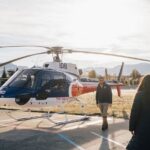
Your day starts at 35 Lucas Place. The base is a big white hangar with parking right out front, which makes it feel easy and straightforward. If you choose the optional pickup, bus transfers pull you in from selected Queenstown hotels and central areas, so you’re not wasting time figuring out transport.
Once you’re at the hangar, it’s mostly about getting ready for the flight: quick staff check-in, then stepping into the helicopter for a ride that’s short by design—50 minutes in the air. That matters because Queenstown days fill up fast. This is one of those activities that fits neatly between a meal, a viewpoint walk, or a dinner reservation without turning your schedule into a stress spiral.
Also, you’re not just sitting there hoping for views. The flight includes in-flight commentary to point out what you’re seeing and why it looks the way it does. It’s the difference between looking at mountains and understanding how glaciers and icefalls shape the terrain.
And yes, because this is an alpine flight, conditions play a big role. The flight paths and landing locations can shift based on what the pilot judges as safe and flyable that day—so keep your expectations flexible.
Other helicopter tours we've reviewed in Queenstown
Skippers Canyon and Rees Valley: the first big views come early
The route typically launches you out of Queenstown and heads toward some of the most dramatic terrain nearby. Early on, you’ll fly through and above Skippers Canyon, a place known for rugged cliffs and steep, carved walls. From the air, the canyon looks less like a road map and more like a vertical cut through the mountains—fast, sharp, and obviously carved by time and water long before people ever arrived with cameras.
Next comes the Rees Valley, including braided rivers. From ground level, braided channels are easy to underestimate. In the air, you see how the water splits and recombines across gravel bars. It’s a visual reminder that glacier country is also river country. Ice doesn’t only make mountains; it feeds rivers that keep reshaping the valley floor after the snow and ice melt.
This portion matters because it sets the tone. If you’re worried the flight will feel like just “scenery, then more scenery,” the early canyon-and-river leg pushes you into the action right away. You’re not waiting until late in the flight to get the wow factor.
Mt Aspiring National Park glaciers: icefalls, alpine lakes, and the science of shape
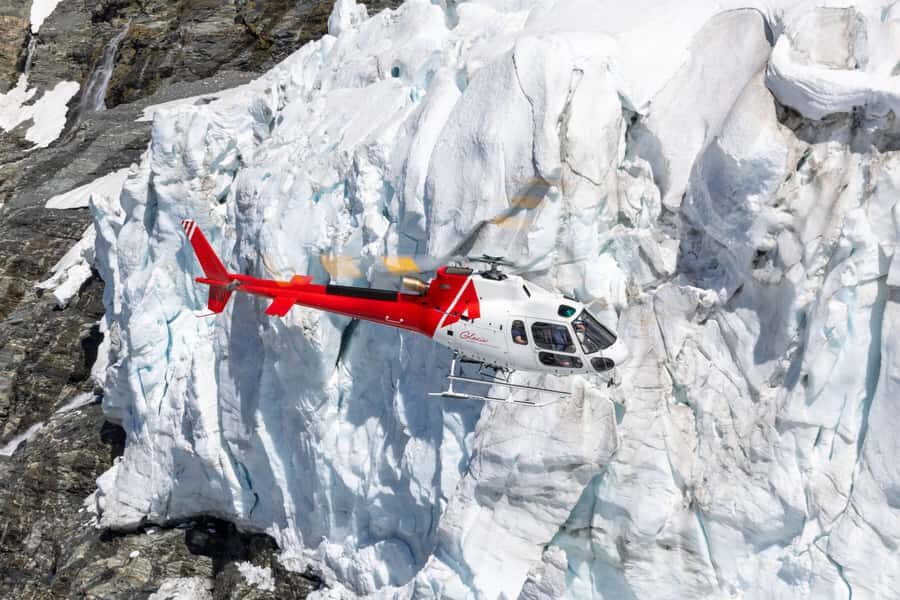
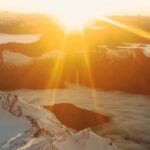
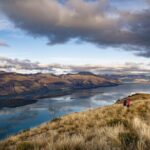
Once you’re heading deeper into Mt Aspiring National Park, the scenery starts to look more ice-driven. You’ll see dramatic glaciers, ice falls, and hidden alpine lakes. Even if you’re not a glacier nerd, the visuals are easy to read. Icefalls look like white staircases frozen mid-motion, and the lakes can appear like dark eyelets set into lighter rock and snow.
The big value here is that the flight isn’t only about reaching a single glacier. The route is designed to show you how glaciers influence the whole area: how ice carves, fractures, and leaves behind a terrain pattern that water then follows. The cliffs, the valleys, and the way the ice sits on slopes all make more sense when you can compare them in a single aerial sweep.
Also, the pilot narration helps you connect the dots. Some pilots have strong local context and can explain what you’re seeing in plain language, including how these features contribute to the region’s water systems. If you’ve been to other glacier areas, you’ll recognize the general rhythm—ice up high, water down low—but here you get a compact version with enough variety to keep your attention the entire time.
Earnslaw Burn from above: why it looks otherworldly
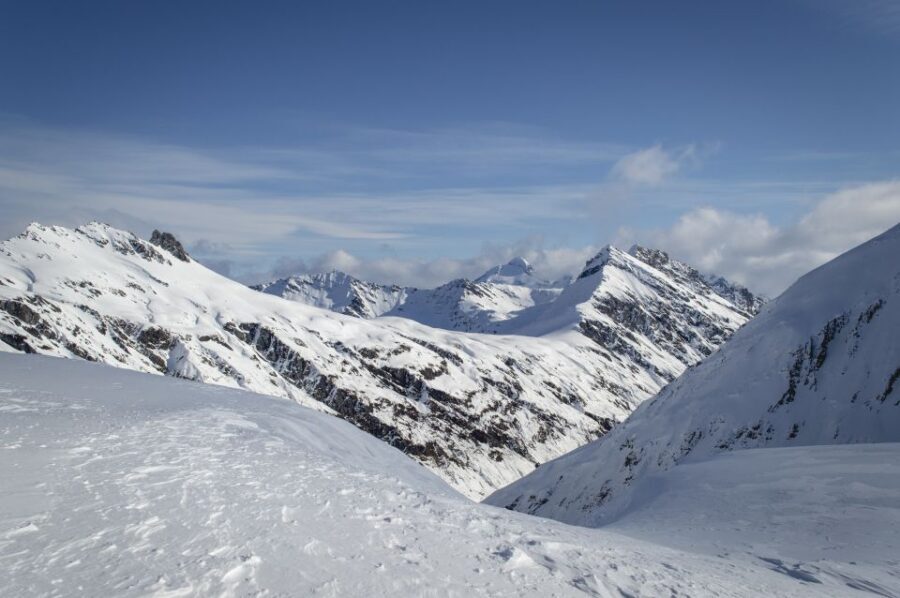
Then you reach the feature that gives this flight its character: Earnslaw Burn. This is described as a unique “hanging” glacier. The key idea is that the ice sits partway down on a slope above the valley, fed by ice from higher ground, and it helps power waterfalls that tumble into the valley below.
From the air, the hanging position makes the whole scene feel dramatic and slightly unreal. You don’t just see water moving; you see the source in the ice. That’s why it’s often compared to movie fantasy. In The Lord of the Rings, Earnslaw Burn is associated with the look of famous locations, and it’s the kind of scenery where your brain insists it must be a set—even though it’s all real.
This is also where you start seeing how the flight earns its “Explorer” name. You’re not only looking at glaciers as isolated ice blocks. You’re seeing the system: ice feeding water, water eroding rock, and the valley shape helping channel it all.
If you’re a Queenstown visitor who wants a glacier experience without driving hours west to the better-known glacier towns, Earnslaw Burn is a strong reason to choose this flight.
Glacier landing: the thrill, the timing, and the what-if plan
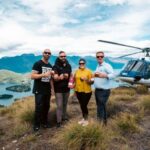
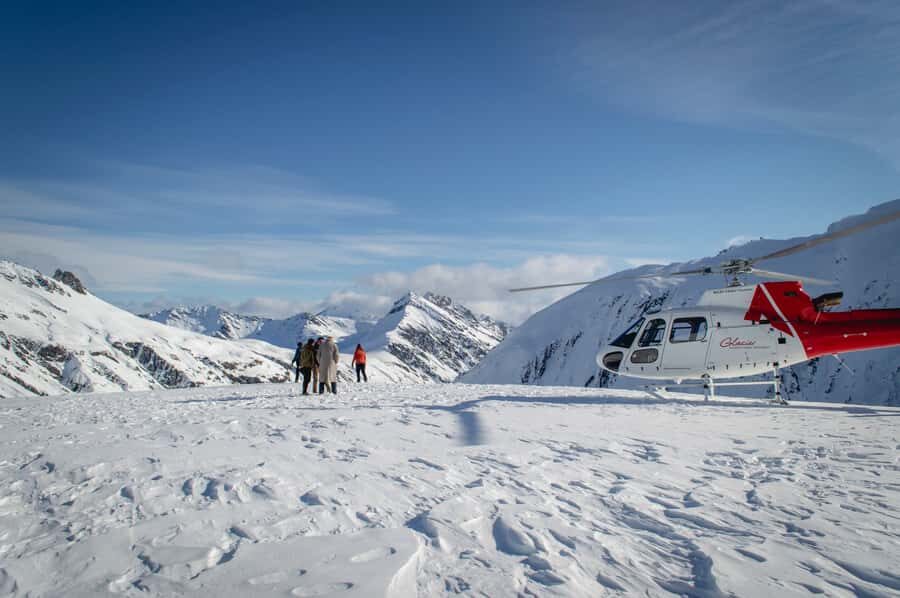
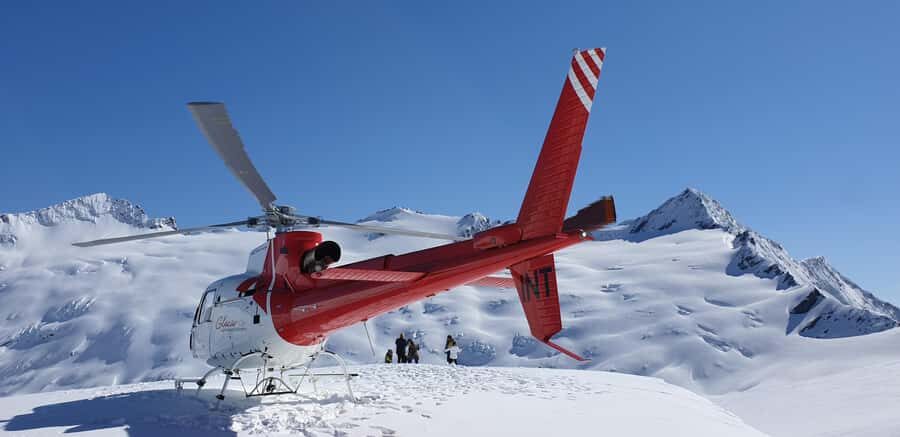
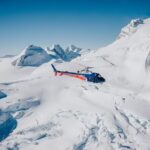
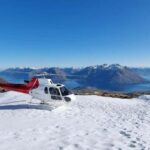
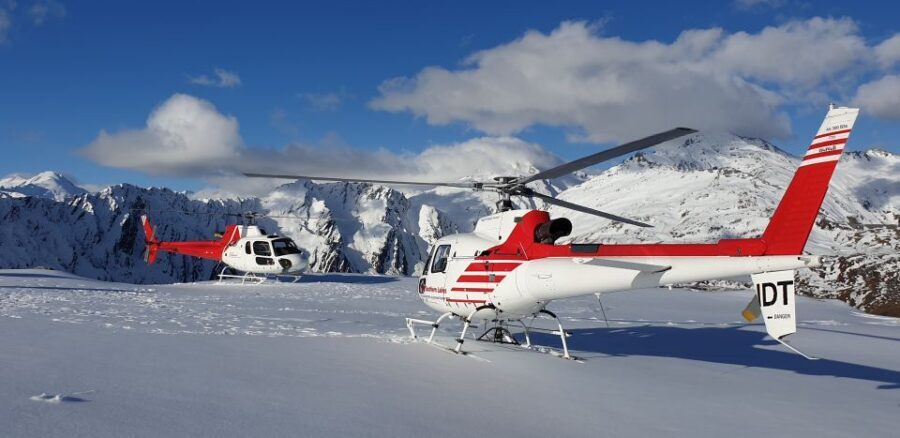
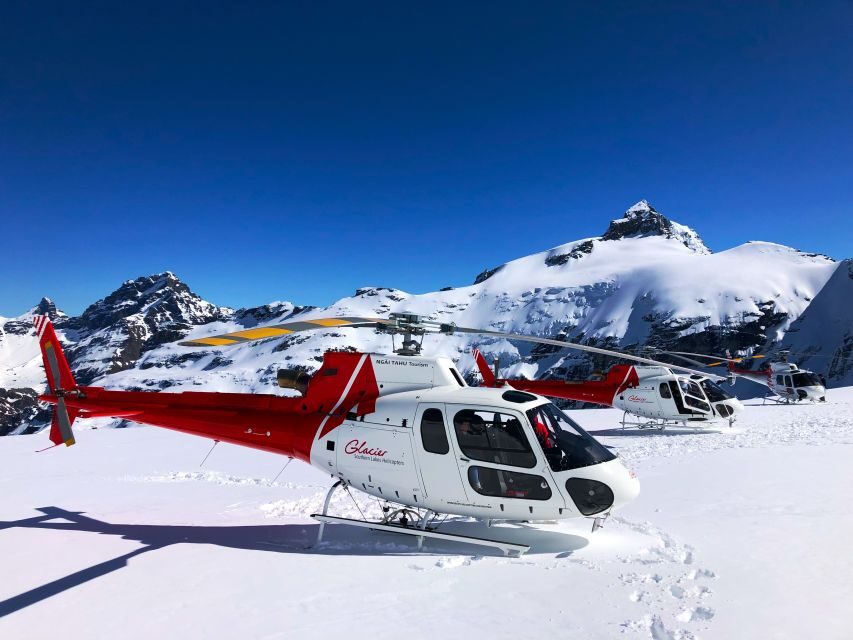
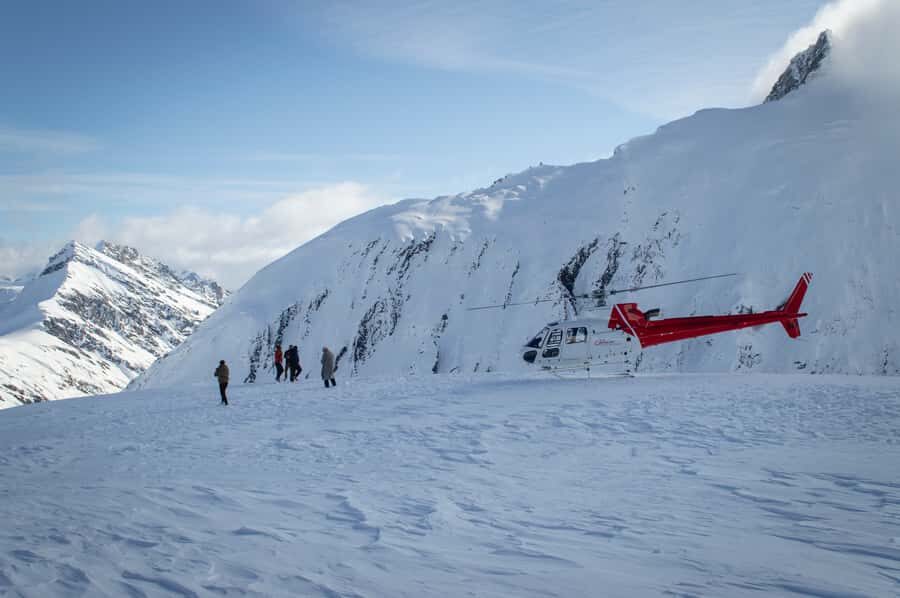
The signature moment is the glacier landing. When conditions allow, you step out into untouched wilderness on the ice for once-in-a-lifetime photos among towering peaks and pristine ice.
Safety is a big part of how this is described. The pilot is expected to manage where you walk and to ensure you don’t step onto unsafe sections of the glacier. In other words, you get the wow without acting like the glacier is your own personal playground.
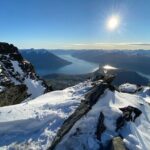
Now the important part: landing isn’t always guaranteed, especially in the summer season. Between January and June, snow conditions can change and crevasses may become exposed, and landing locations can be limited. If that happens, the ride still focuses on glacier country. You’ll fly over the glaciers, but you might not be able to land on them. Your pilot will choose an alternative, such as landing close to the glacier or opting for an alpine landing, and those options still come with spectacular views.
How to think about this: the value isn’t only in the touchdown. It’s in the overall route through glacier terrain. If glacier landing is your top priority, I’d still book it—but plan your expectations around seasonal reality and keep your day flexible.
Also, bring your camera. The best shots are the ones you take while you can still feel the scale. You’ll likely be moving from aerial viewpoints to ground-level ice quickly, so have your camera ready rather than hunting for settings mid-moment.
Other helicopter tours we've reviewed in Queenstown
Price and value: what you’re really paying for at $378
At $378 per person for a 50-minute helicopter flight, this isn’t the cheapest way to see South Island ice. But it’s also not trying to be.
You’re paying for three things that are hard to replicate with ground travel:
- Time compression: you get glacier views and canyon scenery in one short block instead of a long road trip
- Access: the flight can place you near ice that most tours can only view from far away
- Aerial perspective: you’re seeing valleys, icefalls, and hanging glaciers as systems, not just individual photos
If you’re comparing to other glacier options like Fox or Franz Josef, this flight can be the practical choice when you simply don’t have the time to devote a whole day (or more) to driving and transfers. One of the strongest “value” angles is that you can still get a genuine glacier landing experience from Queenstown on a timeline that fits your itinerary.
And you’re not just paying for speed. The included in-flight commentary is meant to make the route feel purposeful. That turns the helicopter ride into something closer to an interpretive tour, not only a thrill ride.
One more thing: because weather and conditions can affect landing, the operator’s approach includes flexibility if flying isn’t possible. That’s part of the value too—you’re not stuck with a bad day and no options.
Who should book this Queenstown glacier helicopter flight
This works best if you want a single, high-impact activity that blends thrill and scenery.
You’ll especially like it if:
- You’re visiting Queenstown and want glaciers without a long day of driving
- You enjoy canyon and valley viewpoints and want them from the air
- You want a guided component, with pilots pointing out what you’re seeing
- You’re the type who plans photos around landmarks and wants both aerial and on-ice moments
It might not be ideal if:
- Glacier landing is the only outcome you care about. Seasonal limitations can change what’s possible.
- You’re concerned about tight helicopter space. One review noted the cabin felt a bit tight when wearing multi-layer winter clothing, so if you’re larger or carry bulky gear, consider that.
Practical tips before you go
You don’t need much to show up ready. What matters most is being prepared for the flight itself:
- Bring sunglasses and a camera. Sun and glare can be intense over snow and ice.
- Leave drones and selfie sticks at home. Those aren’t allowed.
- Listen to instructions about the glacier walk. If you land, your pilot will guide where to step to keep the experience safe.
Also, timing matters in a helicopter world. Flight times are listed as approximate and can change with weather. That’s normal. Arrive calm, expect some variability, and you’ll enjoy the day more.
If you’re nervous about flying, you’ll likely be reassured by how professional and calming pilots are described. The flight is managed with steady handling, and the team communication is part of the experience, not an afterthought.
Should you book Glacier Explorer & Earnslaw Burn?
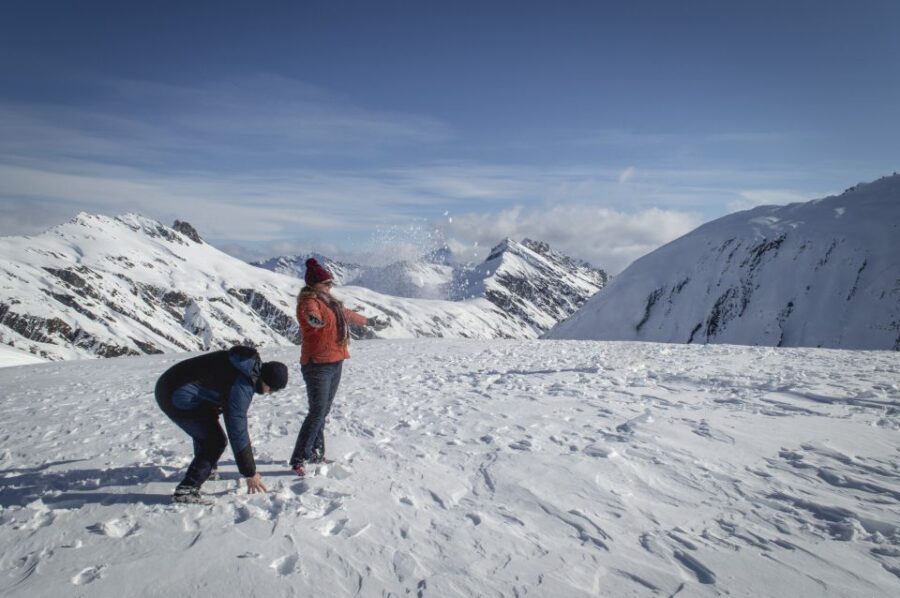
If you want one of the most memorable nature experiences in Queenstown that includes real glacier time on the ground when conditions allow, I’d book it. This flight is built for value in a practical sense: it stacks canyon views, glacier terrain, and the Earnslaw Burn hanging glacier in one compact window.
Choose it if glacier landing is a top goal, but be smart about the seasonal reality. Between January and June, you can still get glacier views even if you don’t step on ice. Either way, the route is designed to be visually satisfying, not a consolation prize.
If you’re in Queenstown with limited time and want ice without a long road trip, this is exactly the kind of activity that makes your itinerary feel complete.
FAQ
How long is the Glacier Explorer & Earnslaw Burn helicopter flight?
The flight duration is 50 minutes.
Where is the meeting point, and is hotel pickup available?
The base is located at 35 Lucas Place in a big white hangar with plenty of parking. Pickup is optional from selected Queenstown hotels and central locations, and bus transfers from selected pickup points are included.
Is a glacier landing guaranteed?
Between January and June, glacier landing may not be possible due to summer conditions such as snow cover changes exposing crevasses and limited landing locations. In those cases, you will fly over the glaciers, but landing on a glacier is not guaranteed.
What’s included in the tour price?
Included are bus transfers from selected pickup locations, a 50-minute helicopter flight with glacier landing, and in-flight commentary to highlight points of interest.
What should I bring, and what is not allowed?
Bring sunglasses and a camera. Smoking is not allowed. Drones and selfie sticks are not allowed.
What happens if weather affects the flight?
If adverse weather prevents flying, you can transfer your booking to another day. If the experience can’t operate, you’ll be provided a full refund.