REVIEW · QUEENSTOWN
Queenstown: Premium Full-Day Central Otago Wine Tasting Tour
Book on GetYourGuide →Operated by Queenstown Wine Trail | Est. 1992 · Bookable on GetYourGuide
A small van, big wine day. This premium Central Otago tour is built around boutique wineries and a tight headcount, so the day feels personal instead of like a bus schedule. I like that it’s run by Queenstown Wine Trail, a family-owned company established in 1992, with a focus on getting you tasting the region’s best styles—not just checking boxes.
Two things I genuinely like: four hosted wine tastings across Central Otago, and a WSET-qualified wine guide who explains what you’re tasting as you go. There’s also real value in the pacing: you’re not racing between stops, and you get time to breathe, ask questions, and slow down with each winery pour.
One drawback to plan for: the à la carte lunch and any extra beverages aren’t included, so your final spend depends on what you order (and how many wines you feel like adding). It’s not a deal-breaker, just something to keep in mind so you don’t get surprised mid-day.
In This Review
- Key highlights worth your time
- From Camp Street to Central Otago: the day’s flow makes it work
- Kinross Winery & Cellar Door: the first pour sets the tone
- Carrick Winery: hosted tasting plus a proper lunch break
- Te Kano Estate and Bannockburn: tasting after lunch keeps the comparisons honest
- Arrowtown and Old Cromwell: small photo stops with big atmosphere
- The guide and the small-group vibe: why this feels better than random tastings
- Price and value: what $118 buys you in real terms
- Practical tips: how to get the most from the day
- Should you book this Central Otago wine day?
- FAQ
- Where is the pickup meeting point in Queenstown?
- How long is the tour, and when do you return to Queenstown?
- How many people are in the group?
- What wineries and tastings are included?
- Is lunch included?
- Is this tour suitable for children?
Key highlights worth your time
- Small group capped at 8: easier conversation with your guide and less waiting around
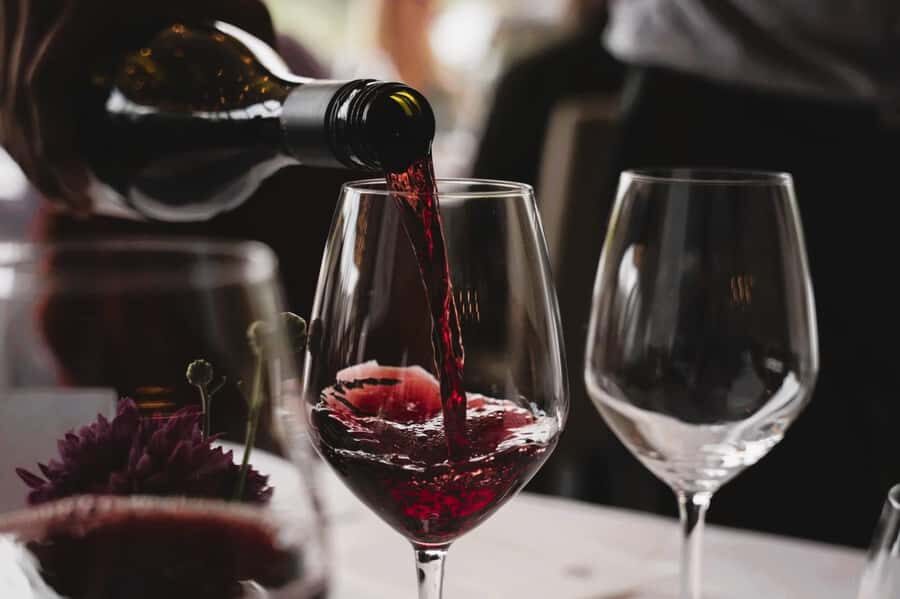
- Four hosted tastings: you’ll taste more than just one winery’s house style
- WSET wine guide on board: explanations are built into the tastings, not tacked on later
- Wine-focused lunch break: time to eat à la carte with wine pairing options
- Arrowtown and Old Cromwell photo stops: time permitting, for a quick dose of history and scenery
From Camp Street to Central Otago: the day’s flow makes it work
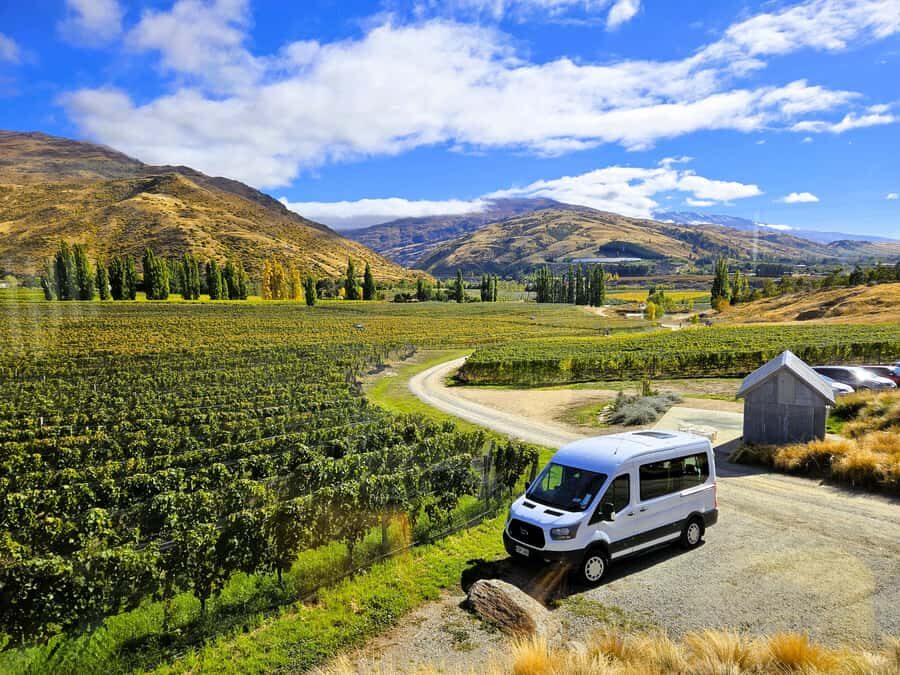
You start right in Queenstown, with pickup options from select accommodation or a meeting point at 48 Camp Street (Red Rock Cafe & Bar on Camp Street). From there, the tour settles into a relaxed rhythm: van rides between sub-regions, followed by hosted tastings that actually teach you something.
The small-group size matters more than you might think. With a maximum of eight people, you tend to get better attention at the wineries and more time to ask questions about Pinot Noir (and the other Central Otago varieties you’ll see). If you’re coming with friends, it also means the group energy stays friendly rather than chaotic.
The tour runs about 7 hours, and you’ll return to Queenstown around 5pm. That timing is useful if you want the rest of the evening free for dinner without stress. It also makes the day feel “complete” rather than like you got dropped off and left to scramble for transport.
Other Queenstown tours we've reviewed in Queenstown

Kinross Winery & Cellar Door: the first pour sets the tone
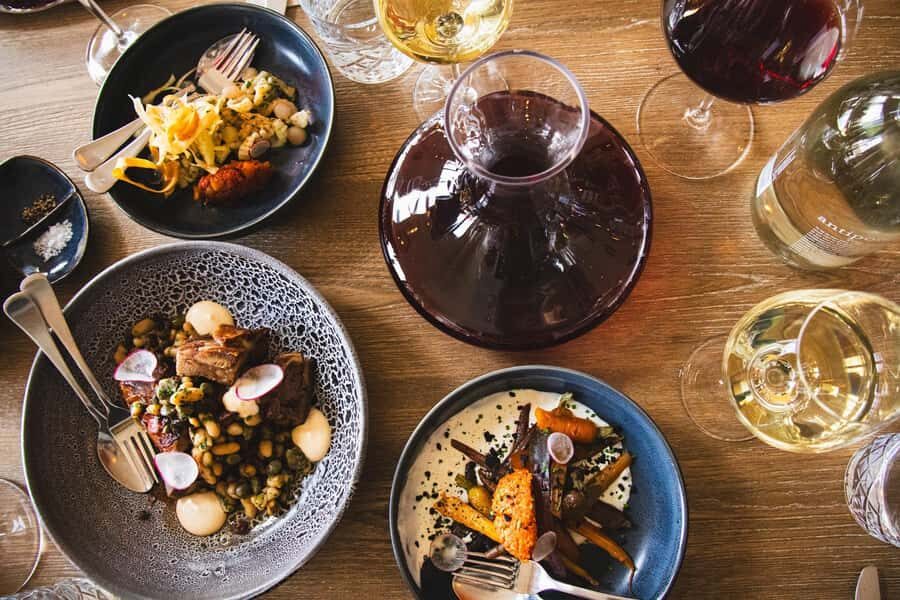
Your first winery stop is Kinross Winery & Cellar Door, where you get about one hour of tastings. This opening stop is important because it frames the day: it’s where you get your palate warmed up and your mind tuned to what Central Otago is known for.
You’ll usually get more than one wine to sample, and the point is to start connecting the dots between vineyard character, winemaking choices, and the final flavors in the glass. Central Otago has a reputation for wines with personality, especially Pinot Noir, and early tastings help you notice those differences as the day continues.
I also like that your guide talks while you taste, instead of lecturing in one long burst. That means you’re not just drinking; you’re learning how to recognize what’s happening in the glass. One useful tip style you can expect from a day like this: listen for explanations about acidity and fruit balance—those are common themes when you’re tasting multiple Pinot styles.
Carrick Winery: hosted tasting plus a proper lunch break
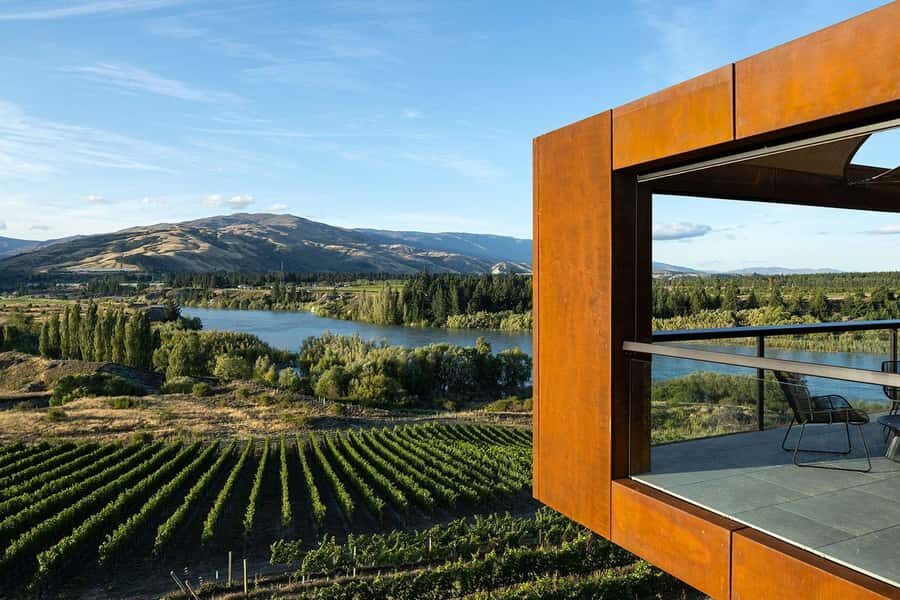
Next up is Carrick Winery, with a 45-minute hosted tasting before lunch. This is where the tour really starts to feel like a full-day program rather than a quick sightseeing loop. You’ll be comparing styles and picking up patterns—like what changes when you go from one producer to another, even within the same broader region.
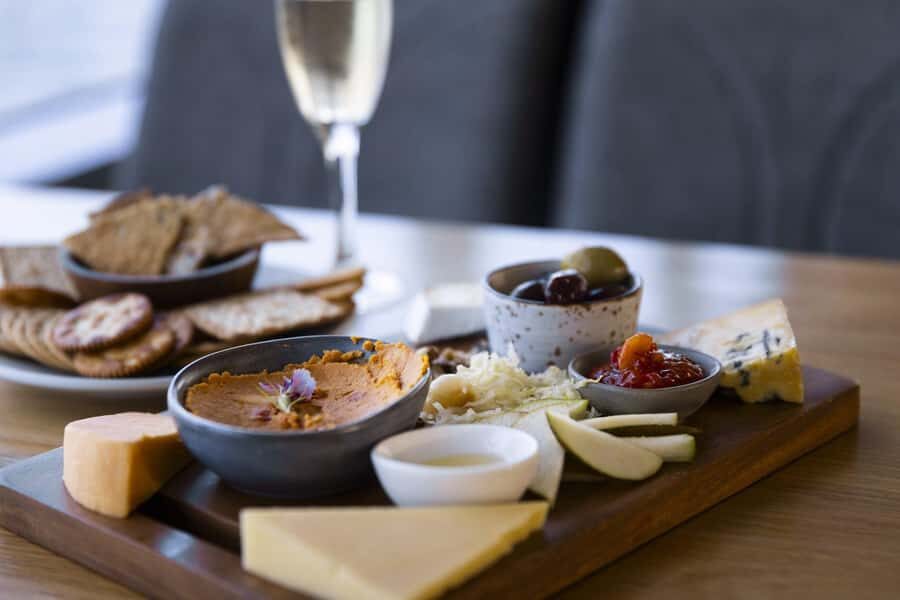
Then there’s lunch at Carrick, scheduled for about one hour. Here’s the key practical detail: lunch is à la carte and at your own expense, but you get time set aside to eat properly, and there’s also wine pairing involved that fits the day’s focus. Your best move is to check what you’re ordering and how it pairs with whatever you’re drinking during lunch, because that’s where the day can go from good to genuinely satisfying.
Dietary needs are mentioned as something the tour aims to accommodate, but because the lunch is ordered à la carte, your exact meal will depend on what the winery offers that day. If you have strict dietary requirements, it’s worth planning what you can realistically eat and what you’ll skip.
This is also a nice stretch of the day to slow down. If you’ve had a long drive to get out into the wine country, lunch is where you reset energy so the remaining tastings feel enjoyable, not rushed.
Te Kano Estate and Bannockburn: tasting after lunch keeps the comparisons honest
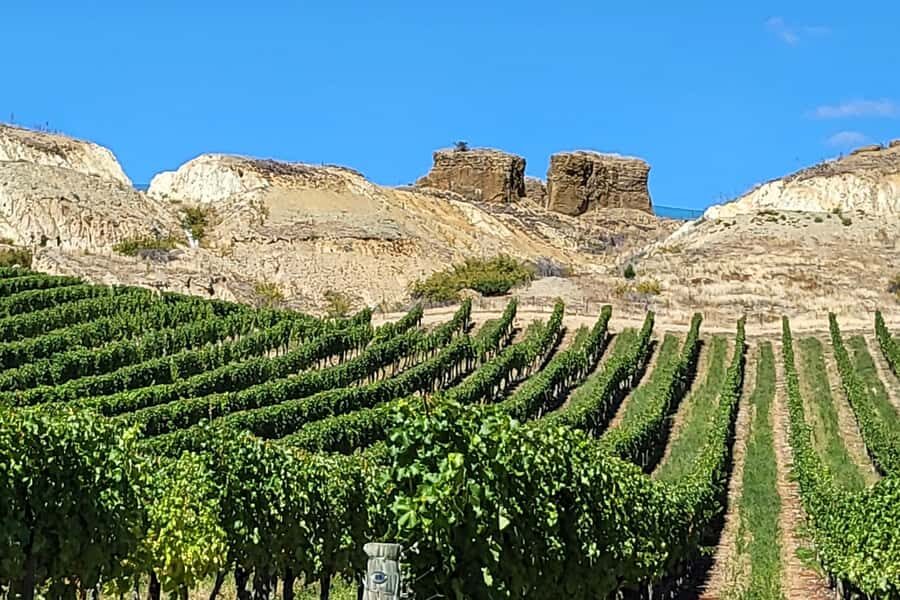
After lunch, the tour continues with Te Kano Estate for another 45-minute tasting. This timing can be a positive surprise: tasting after a meal often makes flavors feel more grounded. You’ll likely notice how the wines sit differently on your palate compared with earlier in the day.
Te Kano Estate is one of the stops designed to keep things varied across sub-regions. Central Otago wines can feel similar at first glance, especially if you’re new to Pinot Noir, but the differences become clearer once you taste with context from your guide. Your tasting notes might not mean much on their own, but the comparisons you make across stops will start to click.
Then the day ends with a 45-minute tasting in Bannockburn. Even though the exact winery name for that last stop isn’t specified here, Bannockburn is part of the region the tour is highlighting. This final tasting is a good chance to decide what you actually like, not just what you thought you liked at the start.
A practical mindset: treat the last stop like your “buying brain.” If there’s a bottle you’ve been thinking about, you’ll be in the right headspace by then—enough tasting experience to be confident, but still close enough to ask questions and consider purchases.
Arrowtown and Old Cromwell: small photo stops with big atmosphere
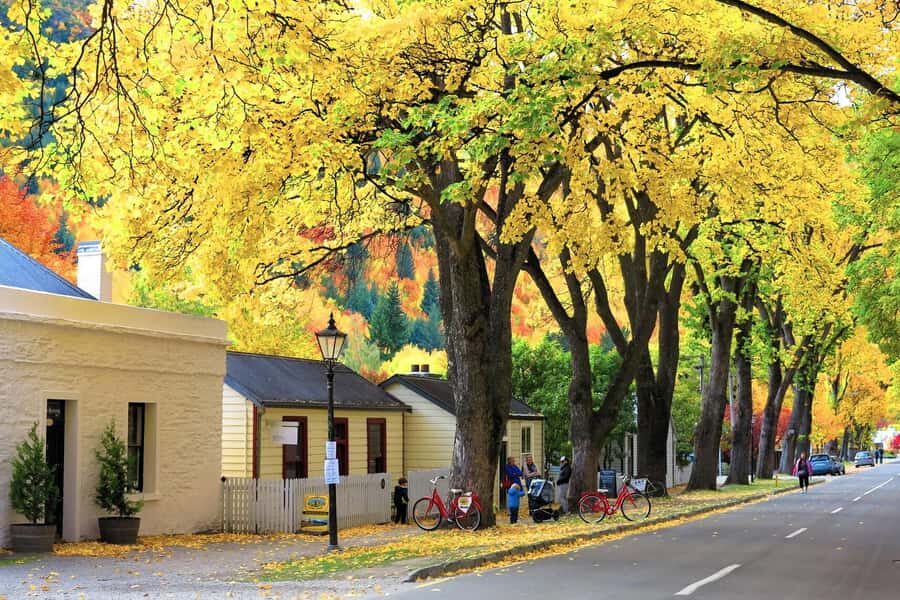
Time permitting, you may get scenic stops in Arrowtown and Old Cromwell. These aren’t meant to eat your whole day; they’re short breaks where you can get out, stretch your legs, and grab photos with that Central Otago charm.
Arrowtown is especially easy to enjoy on a limited schedule because you don’t need a long plan—just enough time to walk a little, look around, and feel the town’s character. Old Cromwell tends to give a more historic, low-key feel, so it balances the day if you’ve mostly been focused on wineries and tastings.
If you’re traveling with non-wine drinkers or people who don’t want to be in tasting rooms the whole time, these stops add variety. If you’re a serious wine person, it still helps you reset your brain so you don’t feel like your entire day is spent tasting without context.
Other Queenstown wine tours we've reviewed in Queenstown



The guide and the small-group vibe: why this feels better than random tastings
This tour is built around a WSET wine guide, and that shows in how the day is structured. Instead of you bouncing between tastings with no framework, you get commentary tied directly to what you’re tasting—region history, winemaking process, and what makes Central Otago’s style distinct.
One detail I really appreciate is how the guidance stays connected to place. You’re in Central Otago, and your guide talks about how the landscape and climate influence the wines. In one similar day’s experience shared by a guest, the guide focused attention on the Gibson Valley area, and that kind of specific regional explanation is exactly what makes a tasting day worth the money.
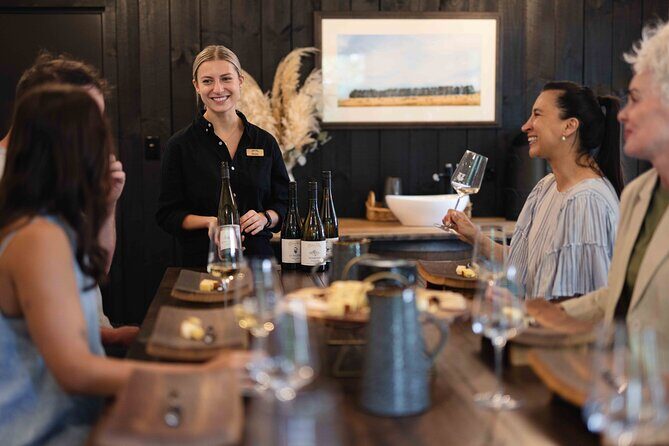
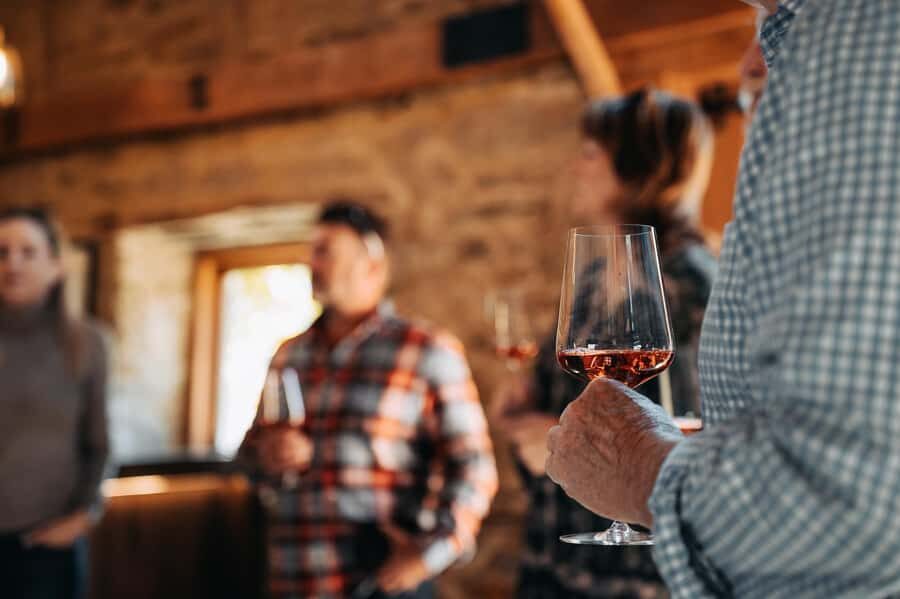
The small group also changes the social side of the day. With a max of eight, it’s easy to meet people without feeling trapped in a tight pack. You can share what you’re tasting, compare impressions, and get quick advice from the guide on what to try next.
And the best part? The itinerary is designed to change day to day. That means you’re less likely to feel like you’re doing the exact same “every day” routine. It also helps if you’ve already done a tasting somewhere else and want something fresh within Central Otago.
Price and value: what $118 buys you in real terms
At $118 per person for a roughly 7-hour day, you’re paying for more than wine. You’re paying for:
- transport from Queenstown and back
- four hosted tastings with staff attention
- a WSET wine guide who connects the dots
- time for lunch (ordered à la carte) so the day doesn’t feel like nonstop drinking
Is it cheap? No. But it is structured, which is where the value lives. If you try to do this on your own, you’ll still pay for tastings, and you’ll burn time figuring out logistics and timing. Here, the pacing is handled, and the group size is kept small.
Also, the tour focuses on Central Otago’s main stars: Pinot Noir plus other popular varieties like Pinot Gris, Pinot Blanc, Chardonnay, and Riesling. If you care about learning the region’s flavor map—not just buying a bottle—you’ll likely feel the value quickly.
Practical tips: how to get the most from the day
A few simple choices can make a big difference:
- Choose your lunch thoughtfully. You’ll order à la carte, so pick something that won’t wreck your palate for the last tasting.
- Ask questions early, then confirm later. If something intrigues you at the first winery, bring it up again after lunch when your palate is calmer.
- Don’t overcommit to extra drinks. You’ll pay for additional beverages beyond the lunch pairing setup, so pacing yourself protects both your budget and your last tasting experience.
- If you’re sensitive to long tasting days, go easy on the tastings you’re not into. Hosted tastings are guided, so you can still participate without trying to force yourself to love every pour.
And one more thing: children under 18 are not suitable for this tour. If you’re traveling with family, this is a clear “yes/no” filter you should use right away.
Should you book this Central Otago wine day?
You should book if you want a small-group wine tour with real guidance, not a rushed checklist. This is also a great fit if you like the idea of tasting four boutique wineries and building a clear sense of what Central Otago does well—especially for Pinot Noir lovers.
You might skip it if you’re trying to keep costs tight, because lunch and additional beverages are at your own expense. If you already know you only want a quick tasting and a light drink, a shorter or cheaper option might make more sense.
If you want a day where your tastings have context, your logistics are handled, and your schedule doesn’t feel chaotic, this premium Central Otago tour is a strong match. It’s the kind of outing that leaves you with better memories than just bottles in a bag—and that’s the whole point of doing wine country with intention.
FAQ
Where is the pickup meeting point in Queenstown?
For the downtown Queenstown CBD pickup, you’ll meet outside the Red Rock Cafe & Bar on Camp Street, at 48 Camp Street.
How long is the tour, and when do you return to Queenstown?
The tour runs for about 7 hours, with return drop-off around 5pm.
How many people are in the group?
It’s a small group limited to a maximum of 8 guests.
What wineries and tastings are included?
You’ll visit four premium wineries for hosted wine tastings across Central Otago sub-regions, with stops that include Kinross Winery & Cellar Door, Carrick Winery, Te Kano Estate, and a tasting in Bannockburn.
Is lunch included?
Lunch is à la carte and at your own expense, though the tour includes time for lunch and a wine pairing with your meal.
Is this tour suitable for children?
No. It is not suitable for children under 18.