REVIEW · QUEENSTOWN
Queenstown to Lake Tekapo via Mt Cook One-Way Small Group Tour
Book on Viator →Operated by Cheeky Kiwi Travel · Bookable on Viator
One-way days in New Zealand can feel long. This one works because the route is packed with major sights, but it’s paced with real breaks and a small-group vibe that keeps the day from feeling rushed.
I especially like the way you get free time inside Aoraki/Mt Cook National Park instead of being marched from spot to spot. The main thing to think about is time: it starts at 6:30am, and your arrival at Lake Tekapo is brief—more of a photo-and-settle moment than a long wander.
In This Review
- Key things to know before you go
- Queenstown to Tekapo in 9 hours: what the drive really feels like
- Route highlights: Kawarau Gorge, Cromwell, and the “picture at every turn” rhythm
- Lindis Pass and Omarama: the viewpoint payoff and Merino country
- Lake Pukaki: the stop that changes your whole mental picture
- Aoraki/Mt Cook National Park: using your 3 hours well
- Hooker Valley vs glacier lookouts: pick your style of walking
- Lake Tekapo arrival and Dark Sky Project: what you’ll actually have time for
- Vans, guides, and the small-group difference (including guide names)
- Snacks, water, and the lunch reality on a one-way schedule
- Price and value: is $222.79 worth it?
- Weather and closures: how this tour handles the reality of Mt Cook
- Who this Queenstown to Tekapo tour suits best
- Should you book this one-way Queenstown to Lake Tekapo tour?
Key things to know before you go
- Max 15 travelers keeps the van feeling social but not chaotic
- Start 6:30am in Queenstown means an early morning, then a full day on the road
- Kawarau Gorge to Lindis Pass is built around viewpoints and photo stops as you climb
- About 3 hours in Aoraki/Mt Cook gives you flexibility for self-paced walks
- Snacks and water included so you’re not constantly hunting for food between stops
- Drop-off at Dark Sky Project in Tekapo sets you up for an easy evening plan
Queenstown to Tekapo in 9 hours: what the drive really feels like
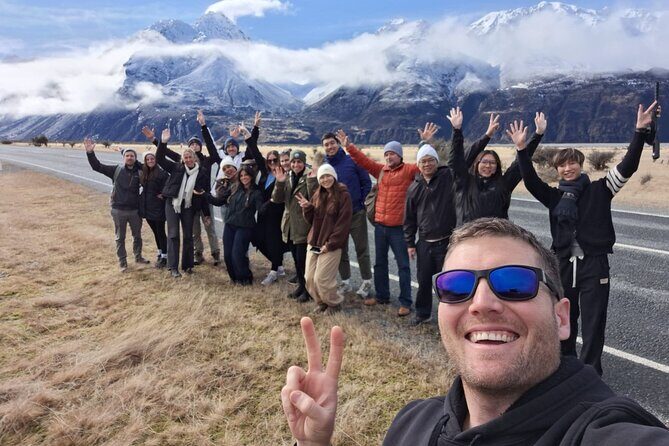
This is a true one-way sightseeing day: Queenstown out, Lake Tekapo in. You leave from The Station—Home of Adventure at the corner of Shotover & Camp Streets (right near the town action). The early 6:30am start is deliberate. It gives you daylight for the big views, and it helps you reach Aoraki/Mt Cook before late-morning crowds.
The tour runs about 9 hours total, and that includes driving between stops. That matters because you’ll feel the “long day” side of it. Still, the day doesn’t feel like you’re trapped in transit. Stops are timed for viewpoints and short stretches outside—long enough to reset your legs and get photos, not so long that you lose the rhythm of the journey.
Small-group format is also a practical win. With a maximum of 15 travelers, you get the benefits of a guide (route planning, commentary, timing), while still having enough space to breathe in the van. Several review notes flagged comfort and organization, which is exactly what you want on a one-way day where you can’t just hop off whenever you feel like it.
Other Queenstown tours we've reviewed in Queenstown
Route highlights: Kawarau Gorge, Cromwell, and the “picture at every turn” rhythm
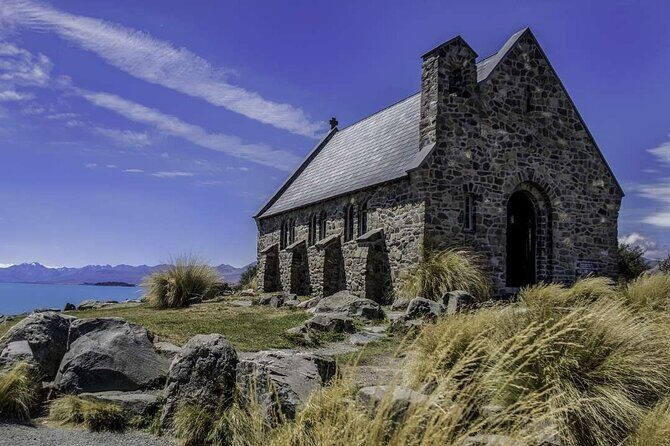
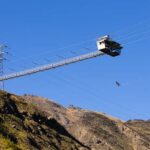
The day kicks off with a classic Queenstown-to-alps route: out through Kawarau Gorge. This is where the scenery starts stacking fast. You’ll pass the Kawarau Suspension Bridge, plus you’ll stop at Roaring Meg Lookout when the timing and light are right. The key here isn’t just seeing the bridge—it’s the way the drive sets you up for the mountains ahead, with repeated “pull over, look, breathe” moments.
After the gorge, you roll into the fruit and wine country around Cromwell. This section is a change of pace: vineyards, broad fields, and a slower visual feel than the gorge and alpine roads. You’ll cross Lake Dunstan and follow it toward Lindis Pass, which is where the route begins to climb in earnest.
One thing I like about this routing is that it’s not only “nature, nature, nature.” Cromwell gives you a human-scale break. It also helps you understand how these regions connect—this is a working part of the South Island, not just a postcard.
Lindis Pass and Omarama: the viewpoint payoff and Merino country
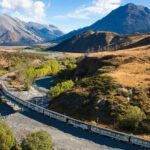
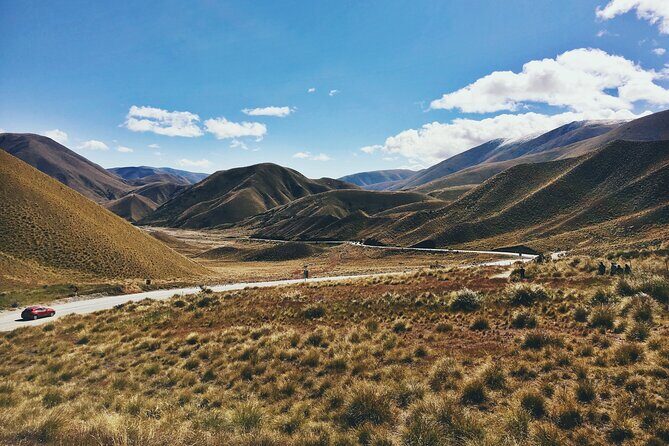
Once you head up toward Lindis Pass, the route turns into the “wow, we’re really getting up there” phase. Lindis Pass is described as one of the alpine roads that opens through the Southern Alps, and that shows in the feeling of exposure on the drive.
You stop at the Lindis Pass lookout (971m above sea level). Even if you don’t call yourself a big-hike person, this stop is worth it because it’s your first proper look down over the valley system. Think of it as orientation: after this, Lake Pukaki and Aoraki/Mt Cook make more sense in your head.
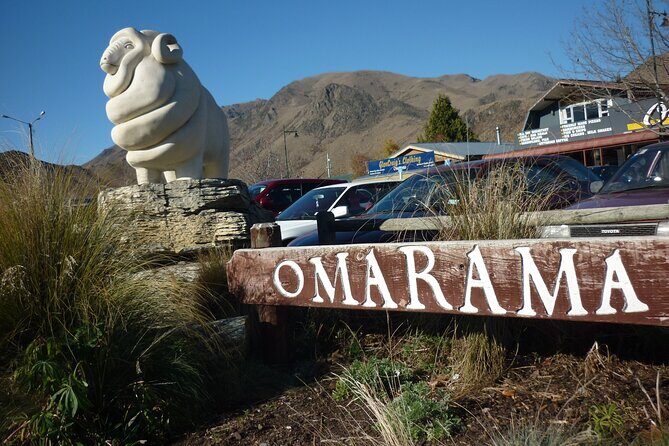
Then it’s on to Omarama, a small township in the Mackenzie district. The tour includes a stop where you can spot Merino sheep across the plains before you reach town. It’s a quick moment, but it adds texture. You’re not only seeing “big views”—you’re seeing the everyday New Zealand behind them.
The value of Omarama here is practical too: it’s a calmer stop that keeps the day from being one constant adrenaline hit. You get time to stand up, stretch, and regroup before the national park section.
Lake Pukaki: the stop that changes your whole mental picture
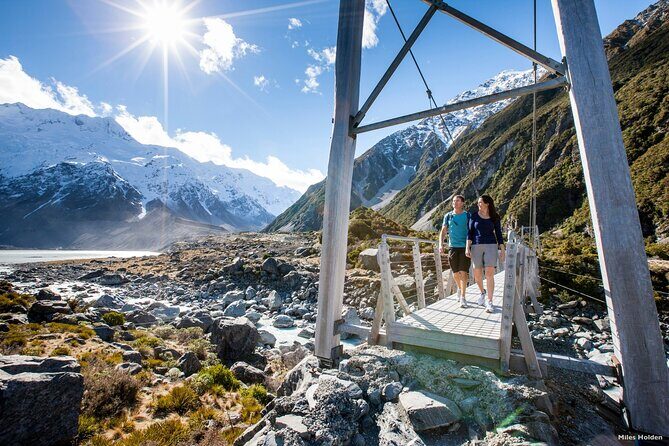
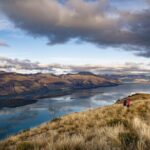
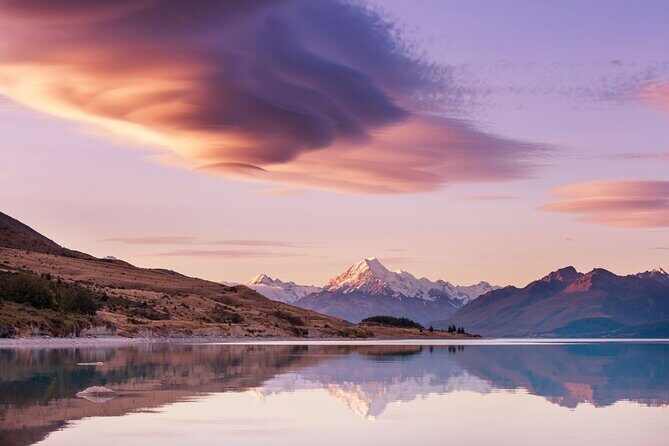
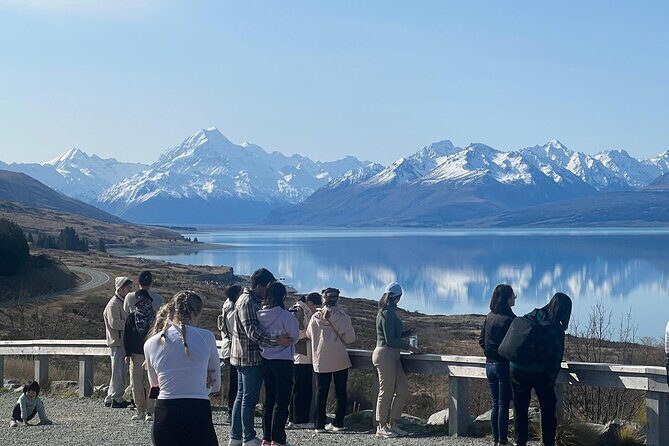
Lake Pukaki is one of the quickest ways to understand why the Mackenzie Basin gets so much hype. Turning west toward Aoraki National Park, you’ll see the lake open up in front of you—turquoise, bright, and dramatic against the Aoraki/Mt Cook backdrop.
The tour lists about 5 minutes at Lake Pukaki, which sounds short until you realize the stop is timed for the view, not a picnic. This is one of those “grab your best angle and move” moments. If you’re the type who likes to linger, set a quick expectation with yourself: you’re getting the iconic moment, not a long stay.
Still, the timing makes sense on a one-way schedule. You’re preserving enough daylight for the next phase, where you’ll actually have time to walk.
Aoraki/Mt Cook National Park: using your 3 hours well
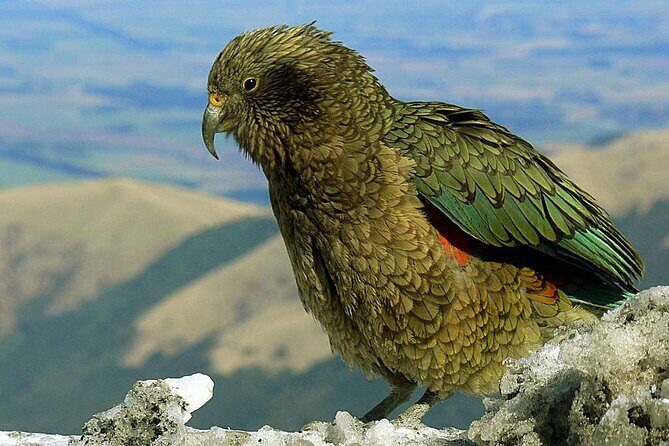
This is the centerpiece of the day. You’ll have roughly 3 hours free time in Aoraki/Mt Cook National Park (Te Wahipounamu). The important detail is that this is free time for you to choose your own pace. The tour doesn’t turn it into a guided hike session.
What to do with those 3 hours? The big popular option mentioned is the Hooker Valley hike, described as an easy walk that takes about 3 hours. That means your time can line up almost perfectly if you go for it. If you choose a slower pace or want extra viewpoints, you might run a bit tight—so I’d treat it like a “commit to it” choice rather than a casual stroll.
You might also find yourself aiming for glacier-related lookouts. One review highlighted Tasman Glacier lookouts and a walk near the Mt Cook area. Those options depend on access and current conditions, but the key takeaway is that the national park section is where your day turns from sightseeing stops into actual moving-in-the-wild time.
A balanced tip: if weather is uncertain, plan for an outfit and mindset swap. When clouds roll in, long hikes can still be worth it for changing views and dramatic light. But if rain hits hard, shorten your walk goals and focus on viewpoints you can reach comfortably.

Hooker Valley vs glacier lookouts: pick your style of walking
Your best hike choice depends on your energy and your comfort with variable weather.
Hooker Valley is the “classic for a reason” option. It’s framed as an easy hike that fits the time you get. If you want the most complete sense of the valley and glacier-fed scenery, it’s usually the easiest way to match the schedule. The other advantage: even if the light isn’t perfect, the route itself gives you consistent scenery.
If you’re more into glacier viewpoints, you might aim for areas around Tasman Glacier lookouts. Reviews mention these as part of the experience, but access can vary based on conditions. There’s also a note from the operator’s response that parts of the Hooker Valley route can be limited by bridge work beyond Muller Lookout. So don’t count on every segment being open end-to-end on every day.
Here’s how I’d choose in real life:
- If you want one main plan: go Hooker Valley and commit to it.
- If you want flexibility: do a shorter walk plus a couple of viewpoint stops, and keep an eye on any closures.
- If it’s genuinely rough weather: prioritize quick-to-reach viewpoints over trying to force a full hike.
Lake Tekapo arrival and Dark Sky Project: what you’ll actually have time for
After Farewelling Mt Cook, you continue to Lake Tekapo. The listed stop is about 10 minutes. That’s not “explore Tekapo” time. It’s a transition: you arrive, you get pointed toward highlights you pass, and you end at Dark Sky Project in Tekapo.
This ending location is useful if your evening plan is stargazing or a calm wander near the lake. Even if you only have time for photos, the tour sets you up for an easy next step without adding extra transport.
If you were hoping for a long Lake Tekapo stroll during this tour, you’ll need to plan that for later. This itinerary is designed to get you there and get you the iconic images, not to replace your Tekapo time.
Vans, guides, and the small-group difference (including guide names)
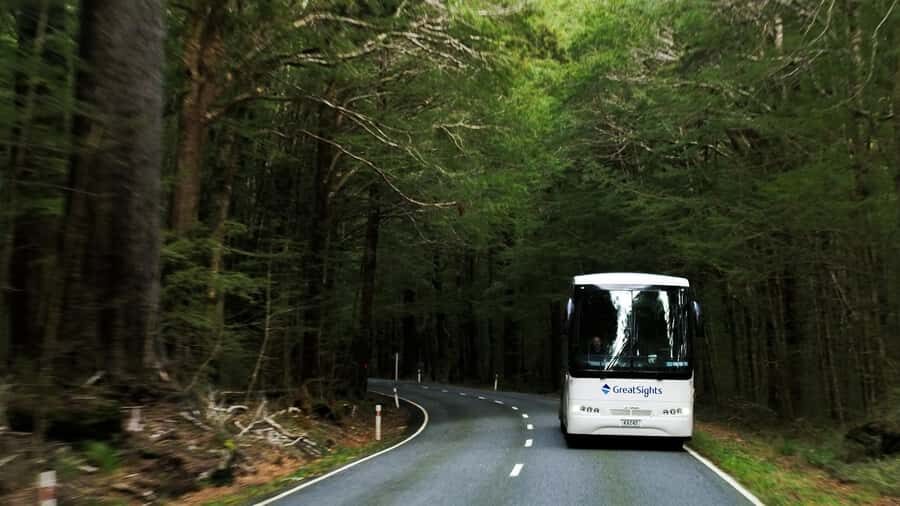
Cheeky Kiwi Travel runs this as a guided small group, max 15. In practice, that usually means:
- fewer “lost” moments,
- more consistent timing,
- and a guide who can explain what you’re looking at as you move.
The reviews you have on this experience strongly emphasize guides who keep things upbeat and informative. Names that come through: Jay and Jonathan were called out for friendly, knowledgeable commentary and good photo stops. Another set of reviews praised Felix and Nick for smooth transitions and for handling weather changes with alternative ideas. There’s also a less-positive note involving a guide named Sonia, mentioning low enthusiasm and a tense driving style—rare based on the overall feedback tone, but it’s a reminder that day-to-day guide personality can matter.
If you’re sensitive to that kind of energy, pick tours on days that match your own travel vibe. If you’re there mainly for the scenery and you can tune out attitude issues, the bigger win is the structure: the van plus the stop timing plus the ability to ask questions while you’re moving.
Snacks, water, and the lunch reality on a one-way schedule
Food logistics are straightforward, but you should plan for the fact that this is not a catered day. Lunch is not included, and you’ll have opportunities to purchase food along the route.
The good part: water and snacks are provided. That helps you stay comfortable between stops, especially on a morning that starts before the sun has fully warmed everything up.
My practical advice: if you’re doing a longer walk in Aoraki, eat before the national park section if you can, then use the included snacks as a buffer. Don’t assume there will be time to buy a full meal at the park.
Price and value: is $222.79 worth it?
At $222.79 per person, this is not a budget transfer. But it isn’t priced like a helicopter ride either. You’re paying for three things:
- guided narration and pacing across a long one-way route,
- multiple scenic stops (not just a single transfer),
- and a big national park time block where you can actually walk.
If you compare it to doing this yourself, the big “hidden cost” is planning and the stress of timing. This tour saves you that mental work. Also, the included snacks and water are small, but they reduce friction. The small group size helps too—it’s the difference between feeling like a number and feeling like someone can answer your questions.
Where the value can feel weaker is if you’re the type who wants lots of time at every destination. Lake Tekapo is only a short stop, and the day is built around Mt Cook/Aoraki as the main attraction. If Tekapo is your top priority, you’ll likely want a separate overnight plan there.
Overall, for a one-day Queenstown-to-Tekapo move where you don’t want to miss the main Mt Cook region and Lake Pukaki, the price looks fair.
Weather and closures: how this tour handles the reality of Mt Cook
This area is weather-driven. The tour requires good weather, and that’s not just a legal line—it’s because the big portions of the experience rely on views and safe access to walking areas.
The reviews include a positive example: one family trip ran into rain at Mt Cook, and the guide (Felix, in that case) helped guests with alternative activities so the day still worked. That’s exactly what you want from a guide in this region: not panic, not blame, just smart adjustments.
What you should do as a traveler:
- Bring layers you can adjust fast.
- Have a flexible plan for Aoraki/Mt Cook based on conditions.
- Don’t build your day around the idea that every segment will be available.
Who this Queenstown to Tekapo tour suits best
This tour fits best if you’re:
- doing a one-way move and want major sights without adding a full night in Mt Cook,
- happy with a morning start and a long day on the road,
- willing to do self-guided walking during the national park free time,
- and you enjoy photo stops as much as you enjoy actually walking.
It can also work well for couples and solo travelers who want a guided day but still want control in the park. Families can do it too, but keep the car seat requirement in mind: children aged 7 and below need a child safety seat, either hired (NZ$20 per person) or provided by you.
If you dislike early starts, or if you want long stays in both Mt Cook and Tekapo within one day, you may feel rushed.
Should you book this one-way Queenstown to Lake Tekapo tour?
Book it if you want a guided, efficient day that hits the big icons—Kawarau Gorge, Lindis Pass, Lake Pukaki, and Aoraki/Mt Cook National Park—without the hassle of driving between stops yourself. The small-group format and the 3-hour national park window are the main reasons it works.
Skip it (or at least rethink it) if:
- you’re hoping for lots of Tekapo time during the tour itself,
- you need a fully guided hike from start to finish,
- or you don’t handle early mornings well.
In the end, this is a smart choice for travelers who want to connect Queenstown and Tekapo with the Mt Cook region as the headline act—and who are okay trading a little “slow travel” for big-sight impact in one day.