REVIEW · WANAKA
Māori Whakatau Welcome
Book on Viator →Operated by WanaHaka Wine Tours Maori Culture · Bookable on Viator
Some welcomes feel like performance.
This one is built on a real Māori protocol—pōwhiri—where you’re greeted as you arrive on the land (whenua) and worked into belonging by the time the ritual ends. I like how it’s not just watching from the sidelines; you take part in the key moments, including the wero challenge and the mihi whakatau welcome speech.
Two things I really appreciate: first, the setting on the shores of Lake Wanaka in Otago, tied directly to the themes of manaakitanga (hospitality) and kaitiakitanga (guardianship of the land). Second, the tone stays human and approachable, and guides like Joe make it feel understandable—especially for kids. One consideration: this is weather-dependent, and the souvenir options (photos and the bone carving experience) cost extra, so plan a little buffer if you want the keepsakes.
In This Review
- Key highlights I’d plan around
- A pōwhiri in Wanaka: more than a welcome speech
- Wanaka or Queenstown: pick the setting that fits your day
- The wero challenge and mihi whakatau: what participation feels like
- Manaakitanga and kaitiakitanga on the shores of Lake Wanaka
- The “bonfire of souvenirs”: bone carving and photo costs to budget
- Timing, group size, and private transport: the practical stuff
- Price and value: what $31.03 gets you (and what it doesn’t)
- Who this Māori welcome experience is best for
- Should you book the MāorI Whakatau Welcome?
- FAQ
- What happens during the Māori Whakatau welcome?
- How long is the experience?
- Is transportation included?
- Do children pay the same price as adults?
- What souvenirs are included?
- What if the weather is bad?
Key highlights I’d plan around
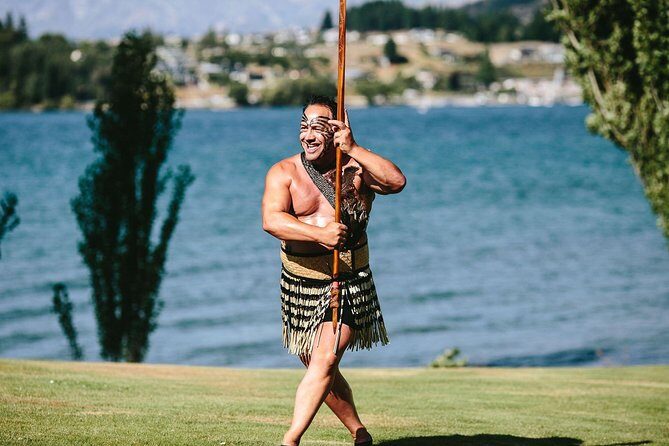
- A full pōwhiri sequence with the wero challenge and mihi whakatau, so you’re not just spectating
- Lake Wanaka/ Otago connection through manaakitanga and kaitiakitanga, not a generic cultural talk
- Small-group feel with a maximum of 30 people and private transportation included
- Family-friendly pricing with a discounted rate for children aged 16 and under
- Joe and the team’s practical guidance so the ritual lands in a way you can follow
- Souvenirs aren’t fully included (photos and the carving-related keepsakes are extra)
A pōwhiri in Wanaka: more than a welcome speech
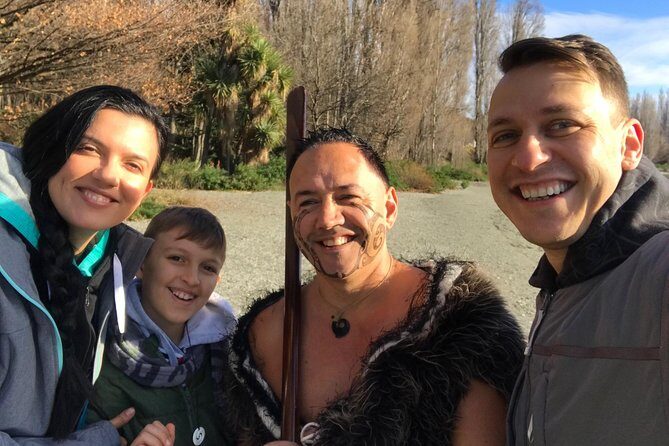
A pōwhiri is one of those experiences that sounds simple until you see how carefully it’s structured. You’re not handed a script. You’re received through actions, words, and timing that reflect respect—first for the people hosting, and then for the land they care for. That’s why this works so well at the start of a trip: it gives you the cultural “operating system” for New Zealand, not just a quick story you forget after lunch.
What I like about WanaHaka’s approach is that it frames the ritual around two themes you can hold onto during the ceremony: manaakitanga and kaitiakitanga. Hospitality shows up in how you’re welcomed. Guardianship shows up in how the land is treated as something living and responsible—land you don’t just visit, but acknowledge. If you’ve been to museums, you’ll know facts. Here, you learn through participation and attention.
Also, you get a clear lesson about roles: the local Māori are described as kaitiaki (custodians), and the ritual connects you to that responsibility in a way that feels grounded rather than abstract.
If you're still narrowing it down, here are other tours in Wanaka we've reviewed.

Wanaka or Queenstown: pick the setting that fits your day
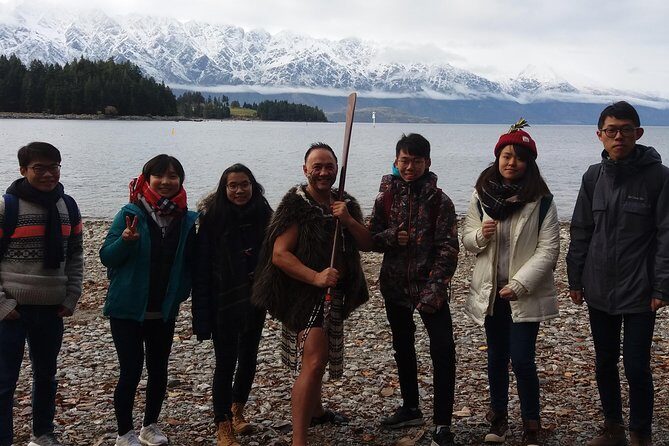
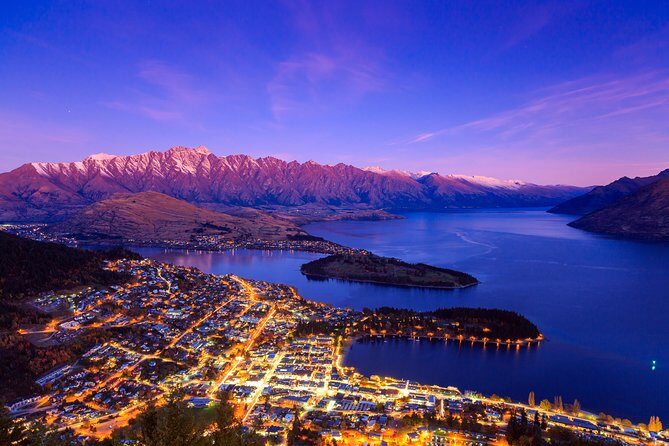
This particular Māori welcome can be done in either Wanaka or Queenstown, but you should email first if you have a strong preference. That’s useful advice because your actual schedule matters more than you think. Wanaka is often calmer and easier for families and early mornings. Queenstown can fit better if you’re already staging your day around Shotover/central action.
The experience runs about 40 minutes to 1 hour. Start time information is listed as 9:30 am, and the overall suggestion is to choose a morning or afternoon pōwhiri so you’re not stuck trying to “catch it later” after you’ve already traveled and expanded your day.
If you’re trying to do this early, aim for a session on your first couple of days. Why? Because you’ll carry the etiquette and respect you learn into everything else—how you speak to people, how you think about land, and how you interpret other Māori references you’ll see around the region.
The wero challenge and mihi whakatau: what participation feels like
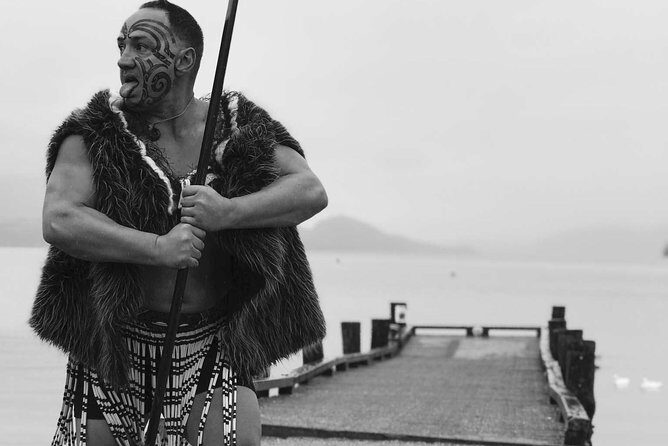
The heart of the ceremony is the wero, described as a challenge delivered by a Māori warrior with a taiaha. It’s dramatic on purpose. In real terms, it’s a way of saying: we see you arriving, and we’re testing readiness and respect. Don’t worry—you’re not being thrown into something random. You’re moved through the ritual with guidance.
From there, the pōwhiri moves through the key elements where you start as strangers and end up as whanaua (family). That transition is the point. You’re guided through the structure so you’re not just watching a performance. The time period is short enough to keep it manageable, but long enough to feel the sequence and the change in tone.
Then there’s the mihi whakatau, the welcome speech component. You’ll be hearing language and meaning tied to the hosts and the land—enough that you understand there’s an intention behind each step, not just tradition for tradition’s sake.
One practical note: because you’re participating, you’ll get more out of it if you arrive with a calm mindset. This is not a time to multitask or try to rush through with your phone up the entire way. I’d treat it like a ceremony you’re stepping into for a short window.
Manaakitanga and kaitiakitanga on the shores of Lake Wanaka
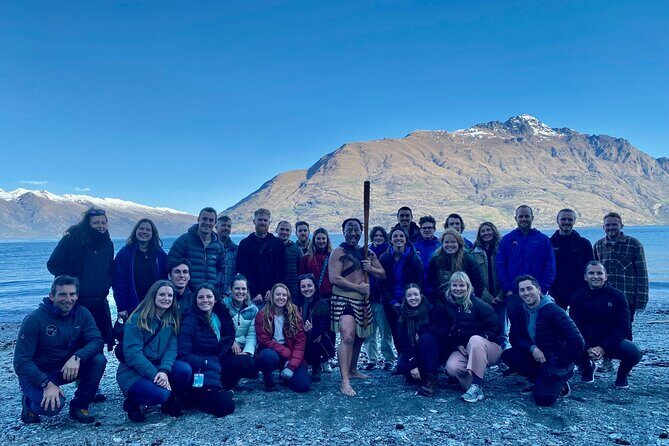
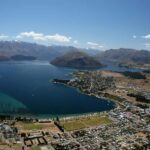
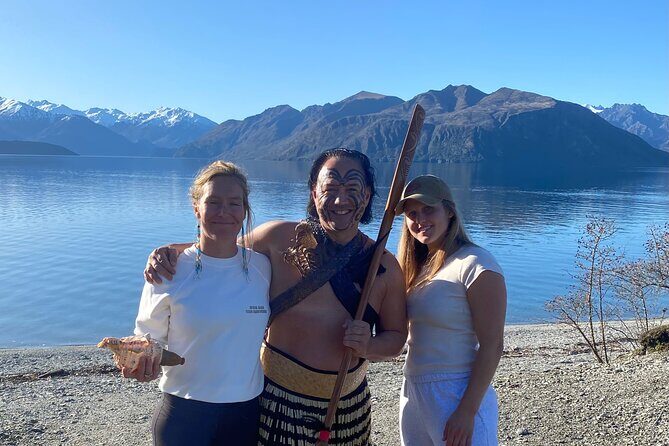
Lake Wanaka isn’t just a postcard backdrop here. The tour is specifically set up to connect you to manaakitanga (hospitality) and kaitiakitanga (guardianship of the land) during the pōwhiri. That matters because it changes how you experience the place.
When a ritual is tied to the shore and to the local iwi’s responsibilities, you don’t just see water and mountains. You see them as part of a living relationship. Even if you don’t catch every word, the structure communicates a message: you are being welcomed into a community with caretaking duties.
This is also why I think doing it in Otago works well. It helps you feel that Māori culture isn’t only something in cities or on a stage—it’s connected to specific land, specific people, and specific responsibilities.
And if you’re traveling with kids, this part matters too. A ceremony that links people and place gives children a “why” they can grasp, instead of just an event happening at them.
The “bonfire of souvenirs”: bone carving and photo costs to budget
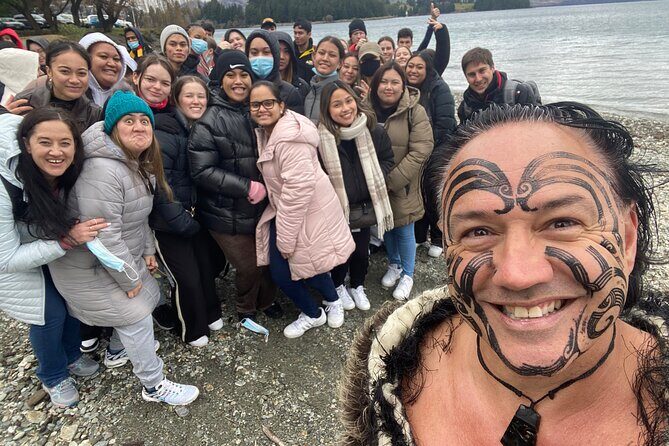
The experience is promoted around taking something home—an authentic Māori bone carving is part of the theme—but you should plan your expectations around what’s included in your ticket price. In the cost details, the authentic Māori bone carving is listed as not included, along with the WanaHaka tea towel souvenir and souvenir photos (available to purchase).
So here’s the balanced way to handle it: if a carving keepsake is important to you, budget extra. If photos matter, also budget extra. If you’re fine with just the lived experience and skip the add-ons, that can keep the experience very good value.
Either way, I’d go into the ceremony with the mindset that the main souvenir is participation and understanding. The shop items are a bonus, not the whole point.

Timing, group size, and private transport: the practical stuff
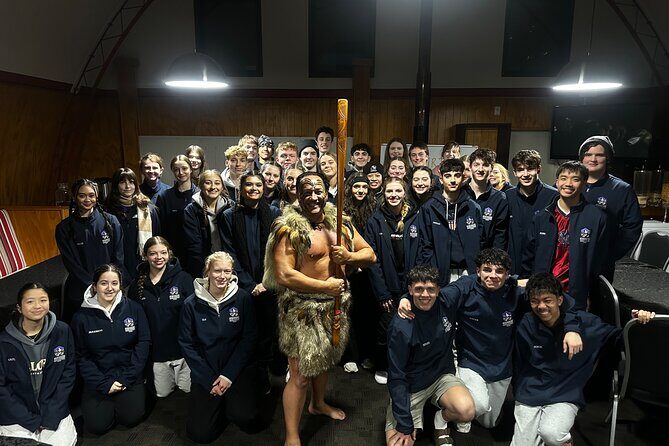
You’ll spend about 45 minutes in the ritual experience (with the full run time listed as roughly 40 minutes to 1 hour). That’s a sweet spot for most people: long enough to feel meaningful, short enough that you don’t lose the rest of your day.
The group size cap is 30 travelers, and private transportation is included. That combination makes a difference in comfort. You’re less likely to feel herded, and you don’t have to figure out how to get yourself to wherever the pōwhiri is being held.
You’ll receive a mobile ticket, and the experience ends back at the meeting point. That last bit is underrated. If you don’t want to waste half your day finding parking or chasing shuttles, this kind of “back to start” setup helps a lot.
Good-weather matters. The experience notes it requires good weather, and if it’s canceled due to poor conditions you’ll be offered a different date or a full refund. That’s standard for outdoor scenic settings, but it still affects your planning—especially if you’ve got a tight itinerary.
Price and value: what $31.03 gets you (and what it doesn’t)
At $31.03 per person, this isn’t priced like a museum ticket, and it’s not priced like a full-day guided tour either. It sits in the middle, which is exactly where it should be for a short cultural ritual.
Here’s why I think it’s good value:
- You get guided participation in a formal ceremony structure (wero and mihi whakatau), not a quick explanation.
- You get the local land theme tied to manaakitanga and kaitiakitanga, with the ritual’s pacing doing much of the teaching.
- Private transportation is included, which saves you energy and avoids the “how do we get there” puzzle.
- The group cap keeps it from turning into a crowd event.
What’s not included matters too. If you want souvenir photos and the bone carving keepsake, you’ll pay extra. But that’s optional, and you can still have a great experience without purchasing anything beyond the ticket.
Also, a small scheduling tip: this is often booked 137 days in advance on average. If you’re visiting during peak periods, don’t wait for a last-minute decision.
Who this Māori welcome experience is best for
This is a great fit for people who want culture that’s active, not passive. If you love learning through real moments and you like understanding the “why” behind traditions, you’ll get a lot here.
It’s also especially sensible for families:
- Children aged 16 and under pay a discounted rate
- Kids can handle the flow as long as they stay with the group and follow the guidance
- The ritual is structured to bring you from strangers to family, which plays well with mixed-age groups
If you’re traveling with a service animal, service animals are allowed.
Most importantly, you should enjoy respectful participation. If your travel style is more “wander free and don’t join anything,” this might feel like a lot. But if you’re open to being guided, it’s exactly the kind of thing that adds meaning fast.
Should you book the MāorI Whakatau Welcome?
If you want one experience in Wanaka that connects Māori culture to the actual land—and you want it done through a real pōwhiri structure—then yes, I’d book it. It’s short, guided, and built around participation, not a rushed photo stop.
Book it especially if:
- You want to start your trip with a respectful cultural foundation
- You’re traveling with kids or want an experience that’s approachable
- You value a small-group feel and included transport
Skip or reconsider if:
- You don’t want to participate in any ceremonial elements
- You’re hoping everything (photos and carving) is included in the base price
- Your schedule can’t flex if weather forces a reschedule
FAQ
What happens during the Māori Whakatau welcome?
You take part in a full pōwhiri-style welcome. The experience includes the wero challenge and the mihi whakatau welcome speech, with guidance throughout so you move from arriving as strangers to being welcomed as whanaua (family).
How long is the experience?
The experience runs about 40 minutes to 1 hour (with around 45 minutes listed for the session).
Is transportation included?
Yes. Private transportation is included, and the activity ends back at the meeting point.
Do children pay the same price as adults?
No. Children aged 16 and under pay a discounted rate, and they must be accompanied by an adult.
What souvenirs are included?
Souvenir photos and the Māori bone carving are not included in the ticket price, and the WanaHaka tea towel souvenir is also listed as not included. Photos and the carving-related keepsakes are available to purchase.
What if the weather is bad?
The experience requires good weather. If it’s canceled due to poor weather, you’ll be offered a different date or a full refund.