REVIEW · WANAKA
Wildwire Wanaka- Level 1 (2 Hours)
Book on Viator →Operated by Wildwire Wanaka · Bookable on Viator
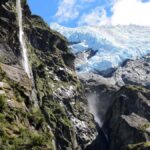
Two waterfalls, one big confidence boost. This Level 1 via ferrata-style climb takes you right up close to Twin Falls in Mount Aspiring National Park, where most people only ever see the falls from the road. I like that the day is built around a calm start: you get equipment and a safety briefing, then you climb with a guide right there as you build comfort.
Two things I really like are the total gear handoff and the focus on personal support. You’re not expected to show up knowing the system; helmets, harnesses, lanyards, and safety gear are provided, and the training is part of the experience. Plus, the team makes the day feel friendly and controlled, with small-group attention and even a sweet treat to refuel.
One consideration: you do need usable arm strength and basic climbing ability. This is Level 1, but the operator is clear you must be able to climb a ladder and use both arms, and sturdy shoes matter.
In This Review
- Key things to know before you go
- Twin Falls Level 1: what you’re signing up for
- Where the day starts: meeting near Twin Falls, then heading up
- Gear and safety briefing: the part that makes this feel manageable
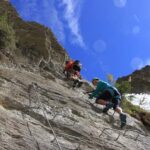
- The climb experience: ladder-level basics, waterfall closeness
- Weather and comfort: what to plan for on a Wanaka climb
- Small-group vibe and guide quality: Alison and Tongi as proof points
- The value question: $126.67 for 2 hours, and what you actually get
- Who should book Level 1, and who might feel out of place
- Practical tips that will make your climb smoother
- Should you book Wildwire Wanaka Level 1?
- FAQ
- What’s included in the Level 1 climb?
- Do I need to bring my own climbing gear?
- How long is the Wildwire Wanaka Level 1 experience?
- What are the minimum age rules?
- Do minors need an adult to sign a waiver?
- What should I wear and bring?
- Is there a weight limit for the tour?
- What’s the group size?
- What if the weather is bad or I need to cancel?
Key things to know before you go
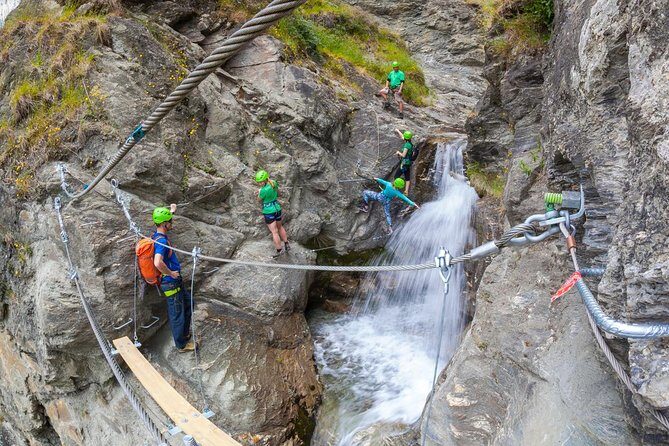
- Level 1 is truly beginner-focused: if you can climb a ladder, they position it as doable
- Small-group feel: maximum of 12 travelers, so you’re not lost in the crowd
- Everything safety-related is included: helmets, harness, via ferrata lanyard, and training
- You’ll start in a working deer farm setting: about 20 minutes from Wānaka, with mountain air and improving views
- Expect weather-based decision-making: it runs in most conditions, but good weather is required for the activity to proceed
Twin Falls Level 1: what you’re signing up for
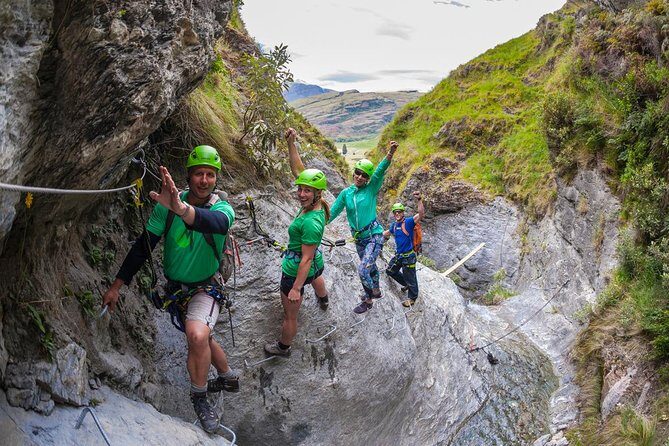
Wildwire Wanaka’s Level 1 is designed for first-timers who want a real via ferrata experience without going straight to full commitment. They’re very direct about it: if you can climb a ladder and use both arms, you’re in the right category. The big draw is getting close to Twin Falls, not just seeing them from a pull-off like so many quick road stops.
This is also marketed as a cable climb at the highest-waterfall level. Even if you take that claim with a grain of salt, the point lands: you’re using fixed lines and structured climbing sections to reach a viewpoint you just don’t get any other way.
And because it’s in Mt. Aspiring National Park, the climb has a nature feel, not a theme-park vibe. You’re walking and climbing in a real outdoor setting near Wānaka, where the air gets crisp and the view keeps widening as you go.
Other Wanaka tours we've reviewed in Wanaka
Where the day starts: meeting near Twin Falls, then heading up
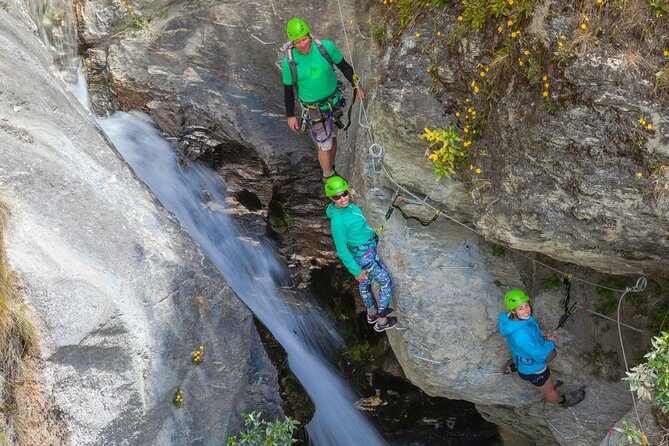
Your tour starts at 10:00 am at the start location near Twin Falls, on Mount Aspiring Road in Wānaka (Twin Falls Wanaka Mount Aspiring Road, Wānaka 9382). It also says this activity is near public transportation, so you don’t have to plan a whole private logistics setup if you’re moving around Wānaka already.
From there, you’re in the operator’s world: the climbing takes place on a private working deer farm about 20 minutes from Wānaka. That drive matters because it’s part of why the morning feels like a mini escape. You go from town rhythms to mountain air and quiet, with views that build as the day begins.
The good news for your schedule: the experience ends back at the meeting point. So after your 2-hour slot (approx.), you’re not hunting for shuttles or guessing where you’ll land.
Gear and safety briefing: the part that makes this feel manageable
The experience includes a professional guide, plus training and a safety briefing before you climb. This isn’t a vague “be careful out there” situation. You’re given the equipment and the rules so you know what the system does and what you’re responsible for.
The included kit is spelled out clearly: helmets, harness, via ferrata lanyard, and the rest of the safety equipment. That’s a big deal for value and comfort. You don’t need to hunt down rentals, and you don’t need to guess what kind of harness setup you should be wearing.
What I like about the way this is structured is that it builds confidence in the right order. First you learn the safety basics, then you climb. It’s a simple flow that tends to reduce the panic factor that can hit people on their first via ferrata experience.
The climb experience: ladder-level basics, waterfall closeness
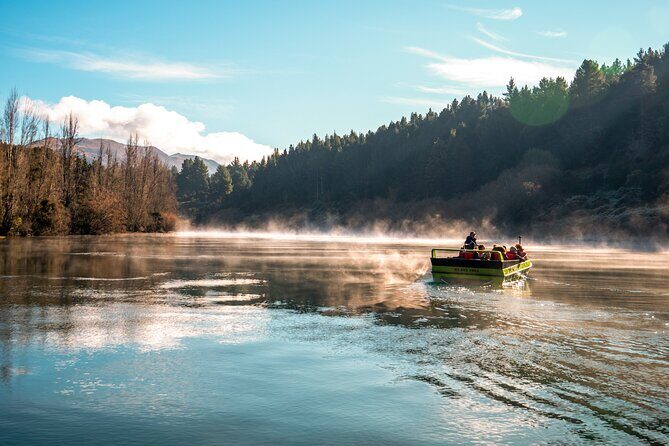
Level 1 is positioned as an entry climb. The operator basically gives you the translation: if you can climb a ladder, you can do it. That’s about the mechanics of the movement, not about being an elite athlete.
You should still plan on using both arms and climbing with intention. This isn’t a stroll. Even Level 1 asks you to stay engaged with your body position because you’re working along a fixed route and staying connected properly to the safety system.
The payoff is the reason you’ll remember the day: Twin Falls, and being right there near the falls. The climb is built so you see the park from a new angle, and not just as a distant feature you photograph across a road. The views do improve as you go higher, and the water presence is part of what makes the experience feel special.
Also, it’s worth knowing the climb can be challenging in a mental way, even when the physical effort is beginner-friendly. You’re learning trust in your equipment and your footing. That’s why having a guide beside you matters so much on a first attempt.
Weather and comfort: what to plan for on a Wanaka climb
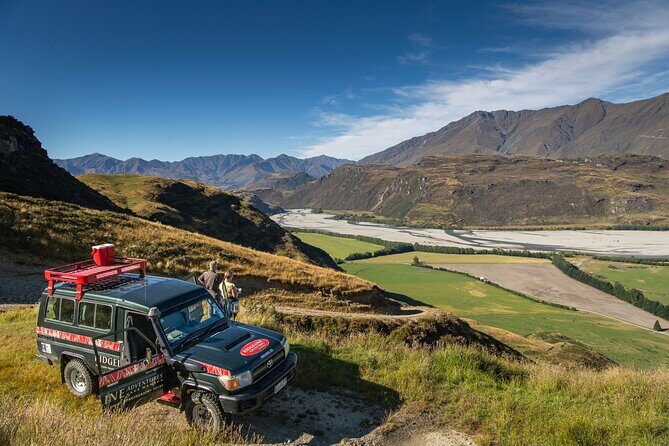
The tour notes it operates in most weather conditions, and it requires you to dress appropriately. At the same time, the cancellation rules say the experience requires good weather. So the practical takeaway is: don’t show up in summer clothes and hope for the best.
Your best move is to dress in comfortable trekking clothes suitable for the weather and wear sturdy close-toed walking shoes. Grip matters here. If your shoes slip on the wrong surface, you’ll spend your mental energy fighting your footing instead of enjoying the climb.
They also recommend practical extras: a small backpack is optional, and camera, sunglasses, and sun protection (hat and sun block) are suggested. That’s a reminder that even in the morning, you can get exposed to sun and wind.
A few more Wanaka tours and experiences worth a look
Small-group vibe and guide quality: Alison and Tongi as proof points
This is capped at 12 travelers, which changes the feel. You get more time with your guide, more attention when you need it, and less waiting around in a big group. On a safety-first activity, that kind of ratio is a real benefit.
The guide experience also shows up strongly in feedback. One guest praised Alison for being a star and helping with great photos. Another singled out Tongi as amazing during a climb that left them wanting more and recommending the activity strongly.
Those examples matter because via ferrata isn’t just about the route. It’s about pacing, encouragement, and making sure you’re comfortable with the steps as they come. When the guides are good at that, Level 1 feels like a win rather than a test.
And it’s not just about the climbing. The day includes a refuel moment with a sweet treat snack, which makes the energy dip feel less dramatic once you come down.
The value question: $126.67 for 2 hours, and what you actually get
At $126.67 per person for roughly 2 hours, the question isn’t just whether the price is “high” or “low.” It’s what’s included and how it removes common pain points.
In this case, you get:
- A professional guide
- Training and a safety briefing
- All equipment (helmet, harness, via ferrata lanyard, safety gear)
- A sweet treat snack
- GST
So you’re paying for the expertise, the fixed safety system work, and the gear package. If you’ve ever tried to piece together a sport day with rentals and multiple vendors, you know how quickly costs and hassle add up.
Is it a long experience? No, it’s not a half-day hike that stretches into the afternoon. But for a structured climb like this—where safety instruction and the route time are both the point—2 hours is a tidy format.
One more value angle: the operator is clear this is a Level 1 intro route. If you’re new to via ferrata, buying the “starter” version can be smarter than jumping into something too advanced on your first try.
Who should book Level 1, and who might feel out of place
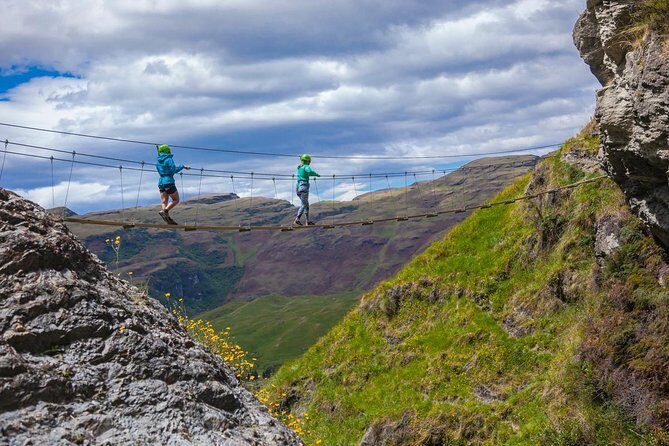
This fits best if you want something active, outdoorsy, and structured, with safety support. You should also have a moderate physical fitness level and be comfortable climbing in a controlled way.
You’ll be especially glad you booked if you:
- Want a beginner route with clear requirements (ladder-level ability)
- Like the idea of being close to Twin Falls rather than photographing from a road
- Prefer a small group and personalized attention
You might pause if:
- You don’t have usable arm strength or struggle climbing ladders
- You’re looking for a mostly effortless viewpoint experience
- You’re very sensitive to heights or mental challenge
There are also weight guidelines: advise if over 220 pounds (100kg) or under 88 pounds (40kg). That doesn’t automatically mean “no,” but it’s something you should flag so the right plan can be made for you.
Practical tips that will make your climb smoother
Here are the “don’t skip this” details that matter most for the day:
- Shoes first: sturdy close-toed walking shoes with good grip are not optional in practice. If you have doubts, choose the most reliable pair you own.
- Bring water: a water bottle is on the recommended list, and climbing plus fresh mountain air can add up fast.
- Wear weather-ready layers: comfortable trekking clothes that can handle Wanaka conditions help you stay focused.
- Pack light if you can: a small backpack is optional, but you’ll be happier with less to manage.
- Use sun protection: sunglasses and sun block are suggested, and the wind can fool you into thinking you’re not getting exposed.
Also, remember the minimum age: 12 years. If you’re under 16, you must climb with an adult guardian. And all minors 16 and under require an adult’s signature on their waiver.
Should you book Wildwire Wanaka Level 1?
Book it if you want a guided, safety-led first via ferrata experience that gets you up close to Twin Falls. The included gear, the explicit beginner requirements, and the small-group cap make it feel like a day built for first-timers who want a real challenge without wandering into the unknown.
Skip or reconsider if climbing ladders and using your arms sounds like a no-go for you, or if you’re hoping for an easy viewing walk. Also, be realistic about the weather reality in Wanaka—good conditions are required for the activity to run, even if it operates in most weather.
If you’re deciding between “Level 1” and trying a bigger step right away, there’s a pattern in the experience people describe: some start at Level 1 and then move to Level 2 because they want more closeness and challenge after they learn the ropes.
In short: Level 1 is a smart, well-supported way to test yourself on a via ferrata route with waterfall payoff.
FAQ
What’s included in the Level 1 climb?
You’ll get a professional guide, training and a safety briefing, and all required equipment such as helmets, harness, via ferrata lanyard, and safety equipment. A sweet treat snack is also included, and GST is included in the price.
Do I need to bring my own climbing gear?
No. The tour provides all climbing and safety equipment including helmets, harnesses, and via ferrata lanyards.
How long is the Wildwire Wanaka Level 1 experience?
It’s listed as about 2 hours.
What are the minimum age rules?
The minimum age is 12 years. If you are under 16, you must climb with an adult guardian. For children under 12, a private tour may be an option if requested when booking.
Do minors need an adult to sign a waiver?
Yes. All minors aged 16 and under require an adult guardian’s signature on their waiver.
What should I wear and bring?
Wear comfortable trekking clothes suitable for the weather and sturdy close-toed walking shoes. Bring a water bottle, and consider a small backpack, camera, sunglasses, and sun protection like a hat and sun block.
Is there a weight limit for the tour?
You should advise the operator if you are over 220 pounds (100kg) or under 88 pounds (40kg).
What’s the group size?
The tour has a maximum of 12 travelers.
What if the weather is bad or I need to cancel?
The experience requires good weather. If it’s canceled due to poor weather, you’ll be offered a different date or a full refund. You can cancel up to 24 hours in advance for a full refund.