REVIEW · QUEENSTOWN
Lake Dunstan Discovery Day Tour by eBike with Shuttle
Book on Viator →Operated by Mapua Ventures Ltd (trading as: Kiwi Journeys) · Bookable on Viator
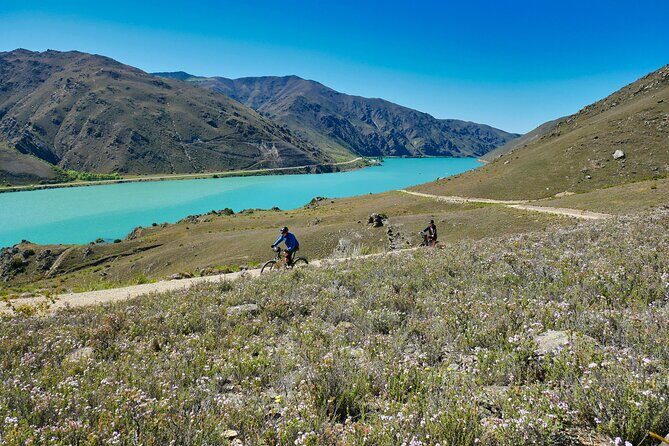
Lake Dunstan on an e-bike is surprisingly easy. This small-group ride links Clyde to Cromwell through Central Otago’s famous river and lake scenery, with plenty of photo chances along the way. I especially like that the tour includes e-bike rental (so you skip the hassle) and that the Lake Dunstan Trail is set up for smooth, scenic progress.
The one real consideration: the Lake Dunstan Trail has Grade 3 sections that can be steep and narrow, so you’ll want decent bike confidence and fitness. It’s not a “sit back and float” day, even with pedal assist.
You’ll start with a proper setup at Kiwi Journeys Central Otago: bike fitting, helmet, and a quick safety/course briefing. Then you’re off with a shuttle to Clyde, and you finish back at the same Cromwell meeting point, with time to ask questions in a group capped at 14.
In This Review
- Key things I’d plan around
- Clyde to Cromwell: why this ride feels like a smart Central Otago day
- Getting kitted out at Kiwi Journeys: the small details that save your day
- Shuttle to Clyde: how the morning pace works
- Stop 1: Cromwell Heritage Precinct—set the scene before you pedal
- Stop 2: Clyde Dam—views, water, and “okay, I get it”
- Stop 3: Kawarau River—where the ride turns scenic fast
- Stop 4: Bannockburn—vineyards and a slower breath
- Lunch at Carrick Winery: plan your appetite (and your timing)
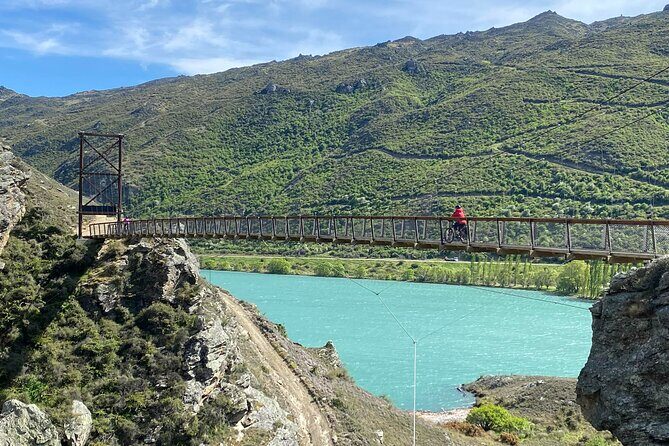
- What the trail feels like: Grade 3 sections and how to handle them
- Price and value: is $117.91 a fair deal for what you get?
- Small-group dynamics: why 14 people (and not 40) matters
- Who this tour is best for (and who should think twice)
- Should you book Lake Dunstan Discovery Day Tour by eBike with Shuttle?
- FAQ
- What’s the tour duration for the Lake Dunstan Discovery Day Tour?
- How much does the tour cost per person?
- Is bike hire included?
- Where do you meet for the tour?
- Is lunch included in the price?
- What’s the ride difficulty like?
- How many people are in the group?
- What happens if the weather is poor?
Key things I’d plan around
- Included e-bike rental means you don’t waste your morning lining up gear
- Small group (max 14) gives you real chances to ask the guide questions
- Photo-heavy route along Lake Dunstan, the Kawarau River, and the Clutha River
- Grade 3 trail sections mean you need steady nerves for tight, steep bits
- Lunch at Carrick Winery gives you a scenic food stop without hunting
- Proper trail-ready gear like helmets, repair kit, pannier/bag, and an odometer
Clyde to Cromwell: why this ride feels like a smart Central Otago day
This is the kind of cycling day that makes sense in New Zealand: you get the big views without spending half the day on logistics. The route runs through Central Otago between Clyde and Cromwell, using the Lake Dunstan Trail connections that also pass the Kawarau River and stretches tied to the wider Clutha River area.
The e-bike matters because it changes your math. Instead of “How far can my legs manage?”, you’re thinking “How much scenery can I take in before the next stop?” That means you can keep a steady pace, stop for photos without sprinting back to the group, and still have energy for lunch.
The best part is that the day doesn’t feel rushed in a chaotic way. You’re cycling as part of a guided flow: set up, shuttle, then ride with stops along the way so you’re not just following a line on your phone.
Other cycling tours in Queenstown
Getting kitted out at Kiwi Journeys: the small details that save your day
Before you ever see the trail, you’ll get sorted at Kiwi Journeys Central Otago at 182 State Highway 8B in Cromwell. Expect bike fitting, helmet, and a safety/course briefing. One theme from good past rides is how seriously the team takes matching the right bike to the rider. For example, they’ve offered different styles such as a full suspension e-bike alongside non-electric options, depending on what fits the group.
You also get the practical stuff that makes a long scenic ride go smoother:
- repair kit
- carrier bag / pannier setup
- odometer (handy if you like knowing effort and pace)
- helmet
That “comfort trail” focus is exactly what you want for a day that includes steep, narrow sections. You’re not trying to muscle a bike that’s poorly adjusted or the wrong style for the terrain.
One more detail I really appreciate: the staff have a habit of giving quick, clear advice. Even small things like where to get coffee in Clyde can make you feel less like you’re following a schedule and more like you’re in local hands.
Shuttle to Clyde: how the morning pace works
Your start time is 9:00 am, and the shuttle runs from Cromwell to Clyde (typically departing around 9:15 am). This matters because it keeps you from backtracking later and lets you begin the ride with the right rhythm.
In practice, I’d still aim to arrive a little early. One group reported the shuttle left later than expected, and when that happens, it’s just awkward waiting time. If you’re early, you can use that time for a calmer coffee moment before cycling.
Once you’re in Clyde, you’ll have time to regroup before you head onto the trail. Some riders have noted a cafe stop with coffee and scones right after the shuttle drop-off, which is a nice warm-up if you start feeling chilly or stiff.
Stop 1: Cromwell Heritage Precinct—set the scene before you pedal
The first stop is the Cromwell Heritage Precinct. It works as a mental reset: you’re in the area’s story first, then you’re moving through it. Even if you’re mostly there for the ride, having a short heritage orientation helps you connect the views to places rather than just admiring scenery without context.
This also gives you a gentle start for the day. Instead of launching into hills immediately, you get a warm-up period for attention and questions—when you still have the guide’s instructions fresh in your mind.
Stop 2: Clyde Dam—views, water, and “okay, I get it”
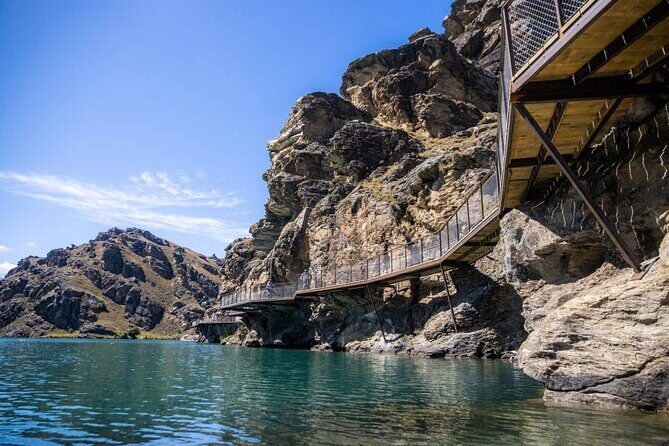
Next up is Clyde Dam. It’s the kind of stop that makes the rest of the trail click: suddenly the water system you’ll be cycling beside feels real. You’ll get that “so this is why the route is so special” feeling, because the dam area frames how Lake Dunstan and the wider river network relate.
This is also a good time to check your setup. Make sure your bag/pannier is secure, gloves are on, and you know how your bike feels in assist mode. Small checks early prevent annoying fiddling later when the trail turns steeper.
A few more Queenstown tours and experiences worth a look

Stop 3: Kawarau River—where the ride turns scenic fast
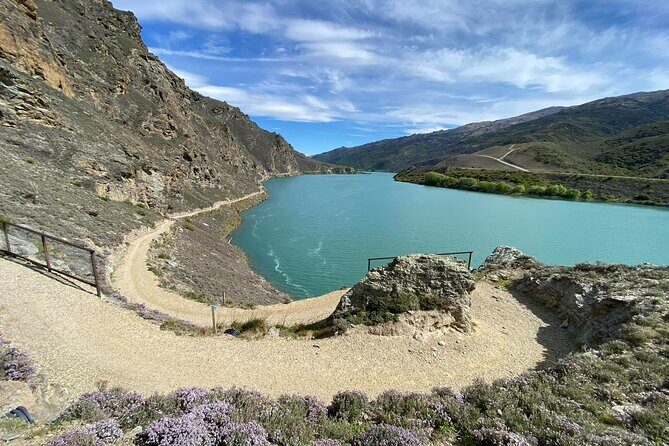
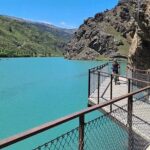
Then you’re into the Kawarau River stretch. This is where the ride shifts from “getting there” to “staying in the moment.” River sections tend to create a natural pace: you’ll often have smoother guidance, clear sightlines, and enough view to keep you snapping photos without feeling like you’re constantly stopped.
If you’re the kind of rider who likes to soak in scenery (even without turning it into a long hike), this is one of the best parts of the day. The guide’s job here is to keep the group together safely on a trail that can include tighter sections.
The trail is also generally very well maintained and clearly marked—at least that’s how riders describe it. That matters on a day where you might be balancing bike control with photo stops.
Stop 4: Bannockburn—vineyards and a slower breath
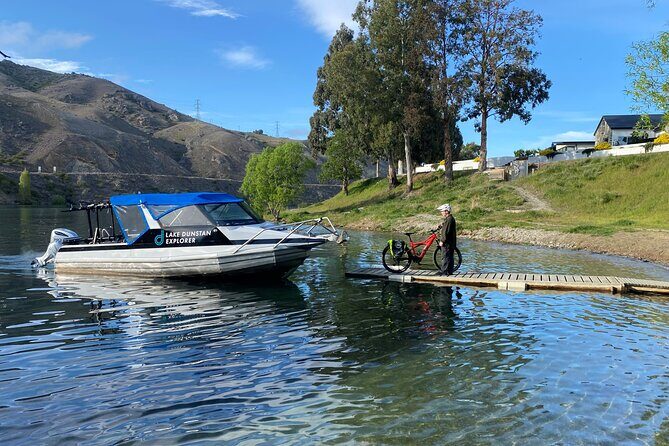
The final notable stop listed is Bannockburn, a place known for Central Otago wine culture. On the day, it helps the ride feel like more than just cycling along water. You’re moving through farming and vineyard country, so you get that sense of place that makes the region memorable after you leave.
Bannockburn works well late in the route because it’s a mental easing point. After steeper or tighter trail segments, vineyards and open sightlines can help your body relax while you still keep moving.
Lunch at Carrick Winery: plan your appetite (and your timing)
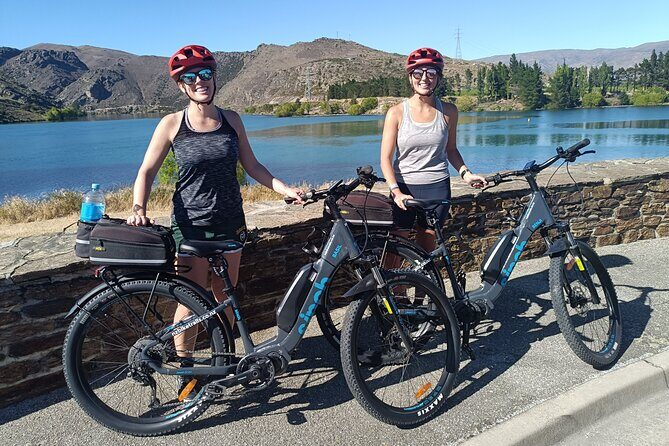
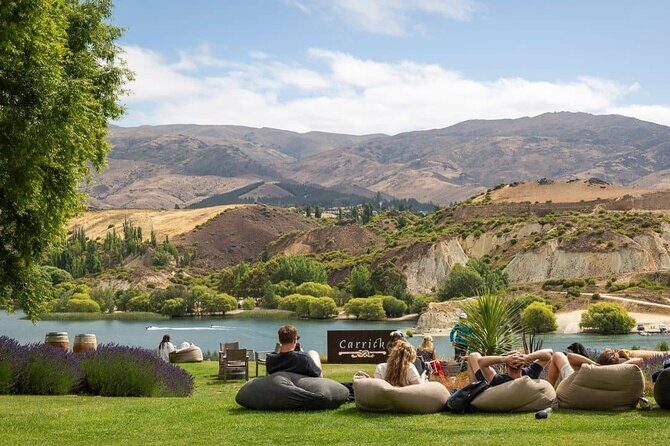
You’ll have lunch at Carrick Winery, typically described as a vineyard restaurant stop. Lunch is not included, so you’ll pay from your own wallet, but you’re not picking a restaurant blindly. You show up in a scenic location built for a good meal.
My advice: eat like you’ll still bike afterward. Even if you feel great, don’t go for the biggest dessert-and-coffee combo unless you’re sure your legs are ready to roll again. The day is around 6 hours, so there’s time for photos and breaks—but you still want to conserve energy for the ride segments.
If you’re taking this as a special day, Carrick is the kind of stop that makes it feel like one trip instead of “a cycling activity plus whatever lunch I can find.”
What the trail feels like: Grade 3 sections and how to handle them
Here’s the truth you should plan around: the Lake Dunstan Trail includes Grade 3 sections that are steep and narrow. That doesn’t mean it’s impossible. It does mean you should ride with respect for your own comfort level.
If you’ve ridden before but usually on wider, flatter paths, this is still doable—just take the narrow parts slowly. If you’re new to biking, you might find this tour stressful even with the e-bike assist, because narrow trail confidence is different from general fitness.
A few practical tips:
- Keep your hands steady and your eyes forward on narrow stretches.
- Use the e-bike assist early on steep climbs, not after you’re already straining.
- Leave extra space when the group bunches up at photo spots.
- Ask the guide to point out what to expect if you feel unsure at the start.
The upside? Because it’s an e-bike and the trail is clearly marked, you’re not guessing. You’re responding to instructions and signage while enjoying the views.
Price and value: is $117.91 a fair deal for what you get?
At $117.91 per person, this tour isn’t the cheapest way to cycle in the region. But it’s also not just “rent a bike and go.”
You’re paying for:
- a quality comfort trail e-bike
- helmet and ride gear (including a repair kit and bags)
- shuttle transport from Cromwell to Clyde
- map and information
- a small group setup with briefing and chances to ask questions
When you compare it to the cost of renting an e-bike, arranging transport, and then figuring out a good route yourself, the value gets clearer. You’re buying convenience plus guidance plus a scenic, well-chosen route that’s already organized around a lunch stop.
The one “value check” is your comfort with Grade 3 sections. If you know you’re not confident on tight, steep trail segments, then paying for an e-bike won’t fully fix the mental piece. In that case, you might be happier with a different, easier cycling option.
Small-group dynamics: why 14 people (and not 40) matters
The group size cap is 14 travelers, which is great for two reasons. First, you’re more likely to stay with the group instead of being strung out. Second, you’re more likely to get real answers to questions rather than quick one-liners.
The best rides feel coordinated, not regimented. You’ll get a briefing and safety instructions, and then you’re moving through Central Otago with enough freedom to stop for photos and soak in the views.
From past experience of this kind of tour, the guides also handle the human stuff: fitting your bike, checking you understand how to use it on the trail, and making sure you’re not stuck with a setup that feels wrong.
Who this tour is best for (and who should think twice)
This works well if you want an active day that still feels fun and scenic. You’ll probably enjoy it most if:
- you can handle moderate fitness and steady riding
- you’re comfortable riding a bike on narrower, steeper trail sections
- you like photos, but you also want a guided route that reduces planning stress
- you want e-bike help without removing all challenge
You should think twice if you’re expecting a totally flat, easy cruise. Even with e-bike assist, the Grade 3 narrow/steep parts mean you’ll be actively riding and paying attention.
Kids can sometimes do well on some rentals and trails, but your best guide here is your own comfort and fitness level. If you’ve never ridden tight trails before, take that seriously.
Should you book Lake Dunstan Discovery Day Tour by eBike with Shuttle?
Book it if you want a guided Clyde-to-Cromwell e-bike day with the logistics handled and a real scenic payoff. You’re getting included gear, shuttle support, and a lunch stop at Carrick Winery—plus a route designed to deliver views of Lake Dunstan, the Kawarau River, and the wider river system.
Skip it (or choose a gentler option) if you know you avoid narrow or steep trails. The tour’s big strength—its scenic trail route—also includes sections that demand confidence.
If you’re unsure, do yourself a favor: when you arrive, ask the team what parts of the route you’re likely to feel most. They’ll be able to talk you through fit and expectations, and that’s the best way to decide if this day matches your riding style.
FAQ
What’s the tour duration for the Lake Dunstan Discovery Day Tour?
The tour runs for about 6 hours.
How much does the tour cost per person?
The price is $117.91 per person.
Is bike hire included?
Yes. Your e-bike rental is included, along with a helmet and ride equipment.
Where do you meet for the tour?
You meet at Kiwi Journeys Central Otago, 182 State Highway 8B, Cromwell 9310, New Zealand.
Is lunch included in the price?
Lunch is not included. You can buy food and drink at the lunch stop.
What’s the ride difficulty like?
The Lake Dunstan Trail has Grade 3 sections that are steep and narrow, so you should have confidence on a bike and a good fitness level.
How many people are in the group?
The maximum group size is 14 travelers.
What happens if the weather is poor?
This experience requires good weather. If it’s canceled due to poor weather, you’ll be offered a different date or a full refund.