REVIEW · QUEENSTOWN
Bike The Wineries (3/4 Day) – Ride Through Queenstown Vineyards
Book on Viator →Operated by Around The Basin Bike Queenstown · Bookable on Viator
Bikes and wine in the same day. That’s the hook here: you pedal 11 miles (17 km) on easy rural trails, cross the Kawarau Suspension Bridge, then spend time at Central Otago cellar doors at your own pace. I really like the freedom to choose which wineries to linger at and the fact that the route is set up with a trail + winery map, so you’re not second-guessing your day every step of the way.
The main thing to plan for is that the ride can feel more intense than you’d expect—especially if you’re on a basic bike and you’re trying to pack in lots of tasting time. If there’s an e-bike option, I’d lean toward it, and I’d also assume you may do a bit of walking if your legs aren’t ready for the full day.
In This Review
- Key points before you go
- Queenstown to Gibbston Valley: how this wine bike day really works
- Getting started: transfers and the Arrow Junction launch
- The ride star: Arrow and Kawarau River trails plus one iconic bridge
- Gibbston Valley winery time: how to choose stops without feeling rushed
- Stop-by-stop: what you’ll see and what to expect
- Arrow Junction
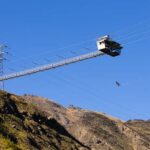
- Kawarau Suspension Bridge
- Gibbston Valley Winery
- Kinross Winery, Cellar Door & Cottages
- The Church Cellar Door and Cafe
- Mt Rosa Wines
- Bike choice matters: e-bikes can change the whole day
- Pacing and tasting strategy: get more fun, spend smarter
- Value check: what you pay and what you’re actually getting
- Who this tour suits best (and who might want another option)
- Quick decision: should you book this?
- FAQ
- How long is the bike tour?
- How far do I ride?
- Are the bike and helmet included?
- Do I have a guide riding with me?
- Where do I meet, and where do I end?
- Are food and wine tastings included?
- What’s the minimum drinking age?
- What if the weather is bad?
Key points before you go
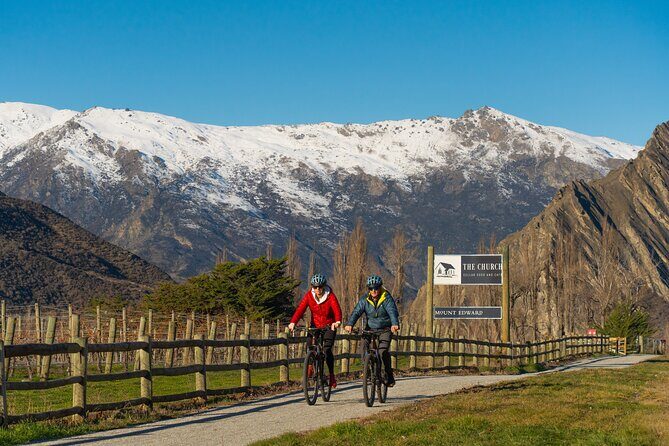
- 17 km of riding on rural bike trails: enough movement to feel like a real outing, without being a grind-fest.
- Kawarau Suspension Bridge stop: a short break where you can watch bungy jumpers and zip-liners at the historic site.
- Self-guided by phone support: no guide riding beside you, but there’s help if you hit a mechanical or navigation issue.
- Multiple cellar doors in Gibbston Valley: you get scheduled time blocks and a map so you can shape the day.
- Transfers included: you start in Queenstown and get moved to and from the trail so you can focus on biking and wine stops.
- Tastings aren’t included: your wallet will feel it a bit at the wineries, so pace your spending.
Queenstown to Gibbston Valley: how this wine bike day really works
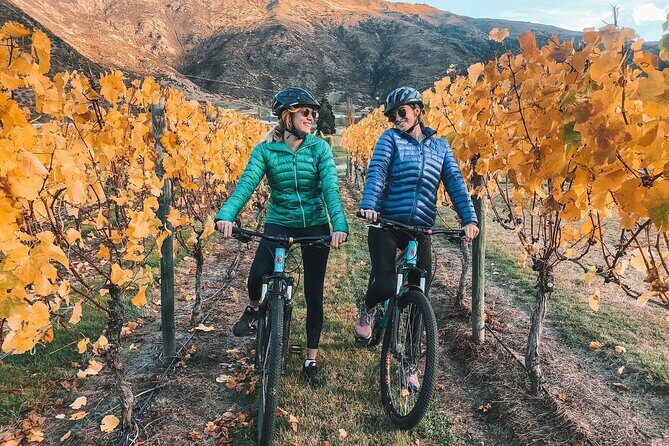
This is a ride-first, wine-along-the-way kind of tour. You’re not going to be herded into one pre-booked tasting after another. Instead, you follow a marked plan and a winery map, hop off for tastings when it feels right, and keep moving when you’re ready.
What makes it work in real life is the balance: you’ve got transfers to get you to the start of the riding and back again, but once you’re on the trail, you’re in control. The equipment is included too (bike and helmet), so you can show up, get rolling, and spend your mental energy on where you want to stop—not on logistics.
You’ll also be riding an iconic section of the region. The route runs down the Arrow and Kawarau River areas and includes the famous Kawarau Suspension Bridge. That stop alone adds a wow moment, because it’s not just scenery—it’s a working adrenaline venue with bungy jumpers and zip-liners going all day.
Other Queenstown tours we've reviewed in Queenstown

Getting started: transfers and the Arrow Junction launch
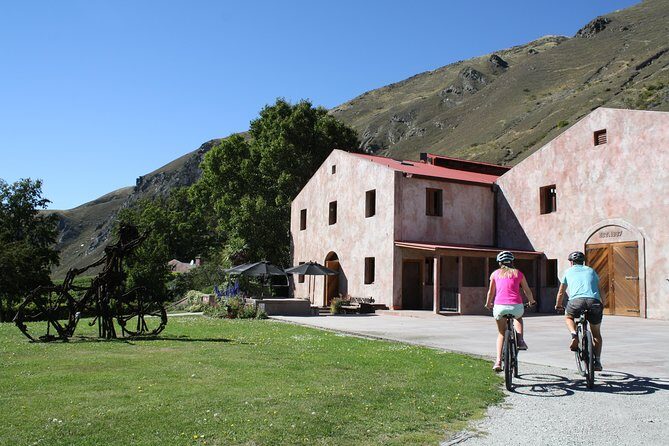
Your day begins at 3 Searle Lane in Queenstown. From there, you’ll be handled so you don’t waste time figuring out how to reach the trail system. The tour includes transport to and from the bike start and finish, which is a big deal in Queenstown where everything feels spread out.
At Arrow Junction, you’re set up like a proper ride: you start at the bike hub, then roll along a bike trail toward the Gibbston Valley Trail. One key detail: the first riding stretch is about 6 km (4 miles) and it takes around 45 minutes to get moving and oriented.
This is the part of the day where you can make a practical choice. If you’re on a basic bike and you’re unsure how your legs will handle the day, this is where you decide whether you need to slow down early. The good news: the trail is described as easy and rural, but the overall day still depends on how often you stop, how long you stay, and what kind of bike you’re riding.
The ride star: Arrow and Kawarau River trails plus one iconic bridge
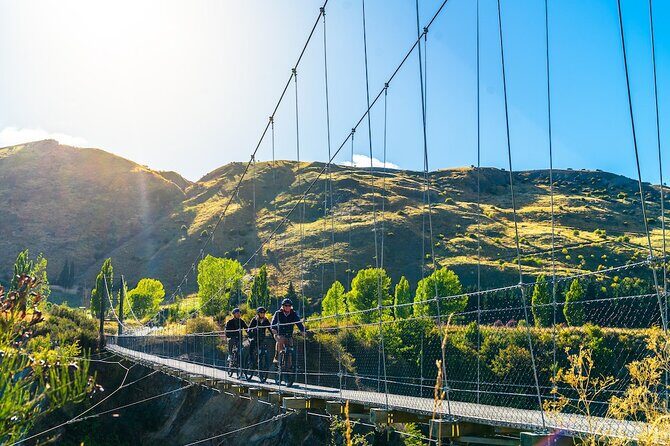
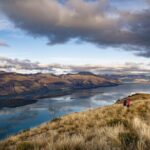
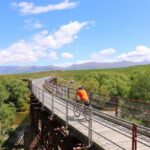
After that first stretch, the route keeps you moving through river scenery. You’ll pedal along easy rural bike trails that are made for sightseeing rather than training. This is the kind of cycling where you can actually look around, notice the bends in the river, and enjoy the change in scenery without constantly wrestling the bike.
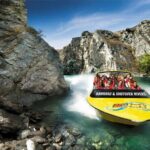
Then comes the big photo stop: the Kawarau Suspension Bridge. You’ll cross it, and you’ll get about 15 minutes there. This is the same bridge tied to the world’s first commercial bungy operation, so the vibe is active. Even if you don’t plan to jump, it’s fun watching bungy jumpers and zip-liners use the structure.
Time matters here. Fifteen minutes goes fast if you’re stopping for photos, chatting, and watching actions unfold. If you want more tasting time later, treat this as a quick stop: cross, look, take your photos, then move on.
Gibbston Valley winery time: how to choose stops without feeling rushed
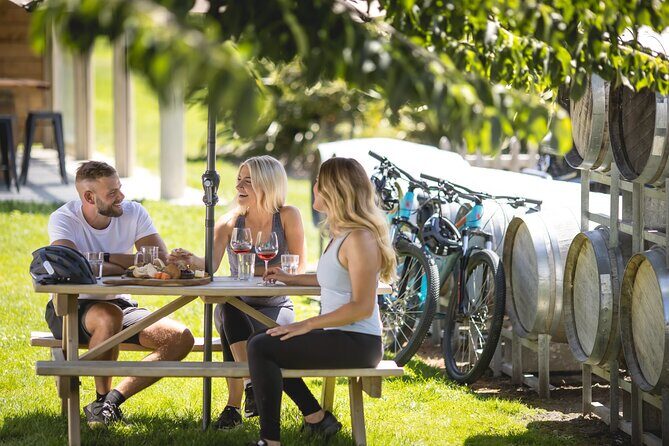
The day is built around freedom with structure. You get set time blocks at a handful of cellar doors, and you’re also given a custom trail and winery map that helps you shape your own path. Along the way, there are options like seven wineries plus a brewery and tavern you can cycle between.
That sounds endless, but here’s the practical version: your biggest decision is how many places you truly want to linger. The wineries and tasting menus can easily stretch your schedule. With a day around 6 hours 30 minutes, you’ll want a simple strategy:
- Pick one “main” winery stop you’d like to fully enjoy.
- Choose one or two smaller tastings as supporting acts.
- Keep at least a little time buffer so you don’t feel stressed if a cellar door runs a bit longer.
One helpful detail from the way the day is structured: the biking tends to be front-loaded, and the wine part is back-loaded. Translation: you’ll do a chunk of riding earlier, then your afternoon gets busier with cellar-door time. If you go too hard on the bike early (or if you’re underpowered on a basic bike), the later tasting blocks can feel tight.
Stop-by-stop: what you’ll see and what to expect
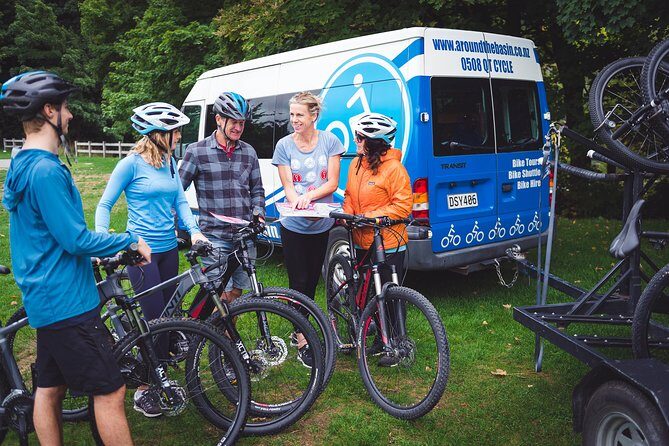
Here’s how the included stops play out, and what each one is likely to feel like.
Other cycling tours in Queenstown
Arrow Junction
You start at the bike hub at Arrow Junction, then bike about 6 km toward the Gibbston Valley Trail. This is a setup phase more than a sightseeing phase. Use it to get comfortable with your bike, your cadence, and how much effort the route takes.
If you’re the kind of person who needs to feel confident early, take an extra minute here. It’s easier to adjust at the start than halfway through the ride.
Kawarau Suspension Bridge
You cross the historic bridge and you get around 15 minutes. The fun factor isn’t subtle: bungy jumpers and zip-liners create a constant show. It’s also a great mental reset between riding segments.
If you’re sensitive to heights or prefer calm photo spots, this still won’t be a long stop. It’s more about watching than committing.
Gibbston Valley Winery
This is one of the bigger-name cellar doors in the area. You’ll have about 30 minutes here, with tastings and a full restaurant available.
This is a good pick if you want a structured tasting experience or if you like a place that feels like it can handle crowds without feeling chaotic.
Kinross Winery, Cellar Door & Cottages
Another 30-minute stop. Expect a cellar door tasting setup and a restaurant, with a more “stay a while” feel hinted at by the cottages.
This works well as your second anchor stop—somewhere you can taste, compare styles, and then decide whether you want to slow down at the next place.
The Church Cellar Door and Cafe
You’ll spend about 30 minutes at an old church that was built in Wangaloa in 1894 and later relocated to Gibbston in the early 2000s. Instead of hymns, it’s wine tastings and a cafe.
This stop tends to be memorable because it mixes time period details with a modern tasting experience. It also gives you a break that feels more like a place you’d choose for a relaxed lunch than another quick tasting room.
Mt Rosa Wines
Your final stop is about 30 minutes. The setting is described as lovely, with hospitality and delicious tastings.
If you’ve been keeping your pacing smart, this is where you can wrap the day on a high note. If you’ve gone too long elsewhere, this still gives you enough time to taste and buy if you want.
Bike choice matters: e-bikes can change the whole day
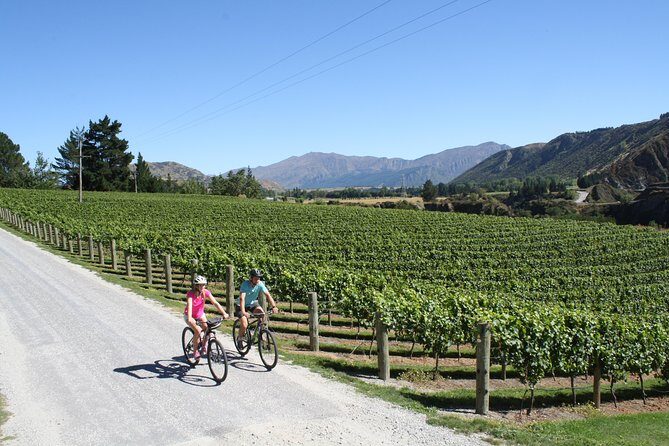
The route may be categorized as easy, but the total day can still feel like work. Cycling gets harder when you add wind, tired legs, and the temptation to stop often.
In practice, an e-bike can be the difference between a relaxed day and a frantic one. Some riders recommend going electric because without it, the cycling can feel more intense than expected and you may end up walking more than you hoped.
So here’s my take on what to do:
- If you have any uncertainty about your stamina, choose the easiest bike option available.
- If you want maximum tasting time later, save your legs early.
If you’re on a standard bike and you love cycling, you’ll probably enjoy it. Just remember: this tour isn’t only a wine day. It’s a ride day with tasting stops.
Pacing and tasting strategy: get more fun, spend smarter
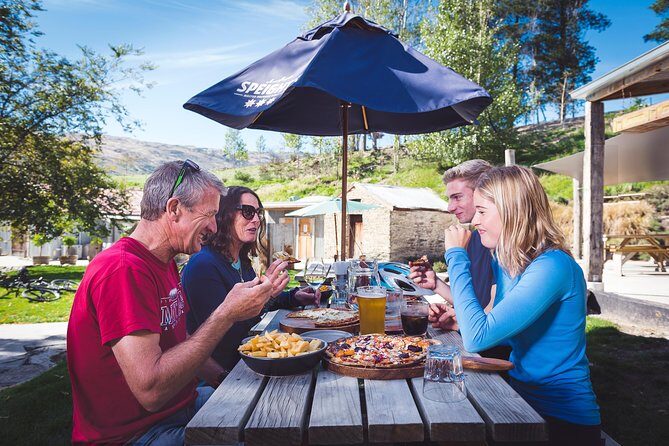
Since food and drinks (including wine tastings) aren’t included, your tasting choices decide both your enjoyment and your budget. The tour gives you time blocks at specific places, but your spending will depend on how you order, how many tastings you do, and whether you buy bottles.
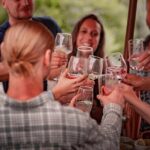
A smart approach is to treat each stop as a “sample and decide” moment. Taste, compare, then choose. When you start buying at every stop, the day often turns into a rush because you’re carrying purchases and trying to keep up.
There’s a convenience feature worth noting: there’s also a wine purchase pickup service available if you buy wine. That helps you shop without loading your bike like a moving truck.
Also, if wine is part of the plan, remember the minimum drinking age is 18 and it’s recommended to bring ID.
Value check: what you pay and what you’re actually getting
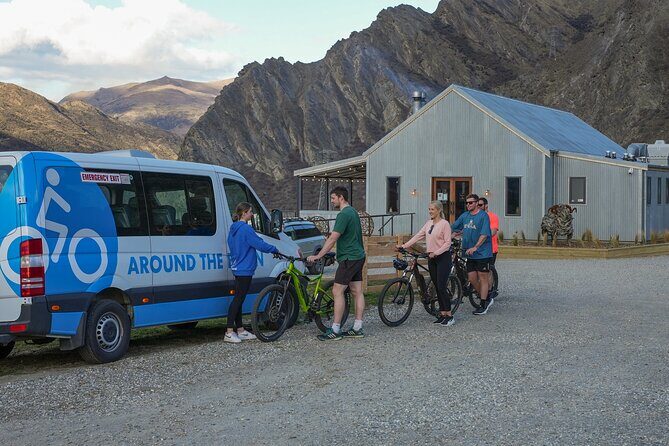
At about $68.26 per person, this isn’t a bargain tour in the “cheapest thing in town” sense. But it is good value if you price it like an activity, not like a tasting room.
You’re getting:
- A bike and helmet included
- Transport to and from the trail area in Queenstown
- A custom trail and winery map
- Phone support for mechanical or navigation issues
- Scheduled time blocks at major stops in Gibbston Valley
What you still pay separately:
- Food and drinks
- Wine tastings
- Your wine purchases
That’s the normal trade-off. You’re paying for the cycling plan and the equipment. If you want tastings included, that’s a different type of tour. Here, you control what you drink and where you spend.
In short: you’re paying for freedom with structure, not for a fully packaged tasting menu.
Who this tour suits best (and who might want another option)
This is ideal if you want:
- An outdoor day that’s active but not overly technical
- A wine experience where you choose your pace
- Scenic riding that takes you from Queenstown into Gibbston Valley
- A plan that mixes famous sights (like the Kawarau Bridge) with real cellar doors
You might want a different option if:
- You don’t handle longer biking days well, even if the trail is described as easy
- You’re hoping for a guide to ride alongside and manage the whole day
- You want all tastings and meals fully included
One more practical match: if you like the idea of visiting wineries but also want to move through the region, this is one of the best formats for that. It’s not just sitting in a van.
Quick decision: should you book this?
Book it if you want a flexible Queenstown-to-Gibbston wine day with transfers, included bike gear, and a plan that keeps your schedule in your control. It’s especially worth it if you can ride comfortably and you’re excited by the idea of mixing river scenery with tastings at classic cellar doors.
Pass or consider another format if you’re expecting a purely easy, casual stroll-like activity. The biking is real. Choose the bike option that matches your fitness, and plan to keep your stops intentional so your afternoon stays fun.
If the weather looks good, that’s also a big green flag. This experience is weather-dependent, and the cycling day is best when conditions are calm.
FAQ
How long is the bike tour?
It runs for about 6 hours 30 minutes (approx.).
How far do I ride?
You’ll bike about 11 miles (17 kilometers).
Are the bike and helmet included?
Yes. Use of a bicycle and helmet is included.
Do I have a guide riding with me?
No. It’s self-guided. A guide does not bike with you, though there’s phone support available for mechanical or navigation issues.
Where do I meet, and where do I end?
You meet at 3 Searle Lane, Queenstown 9300, and the activity ends back at the meeting point.
Are food and wine tastings included?
Food and drinks aren’t included, and wine tastings aren’t included either.
What’s the minimum drinking age?
The minimum drinking age is 18. It’s recommended to bring ID.
What if the weather is bad?
The experience requires good weather. If it’s canceled due to poor weather, you’ll be offered a different date or a full refund.