REVIEW · WANAKA
From Wanaka: Milford Sound Flight with Landing & Glaciers
Book on GetYourGuide →Operated by Southern Alps Air · Bookable on GetYourGuide
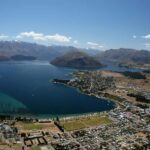
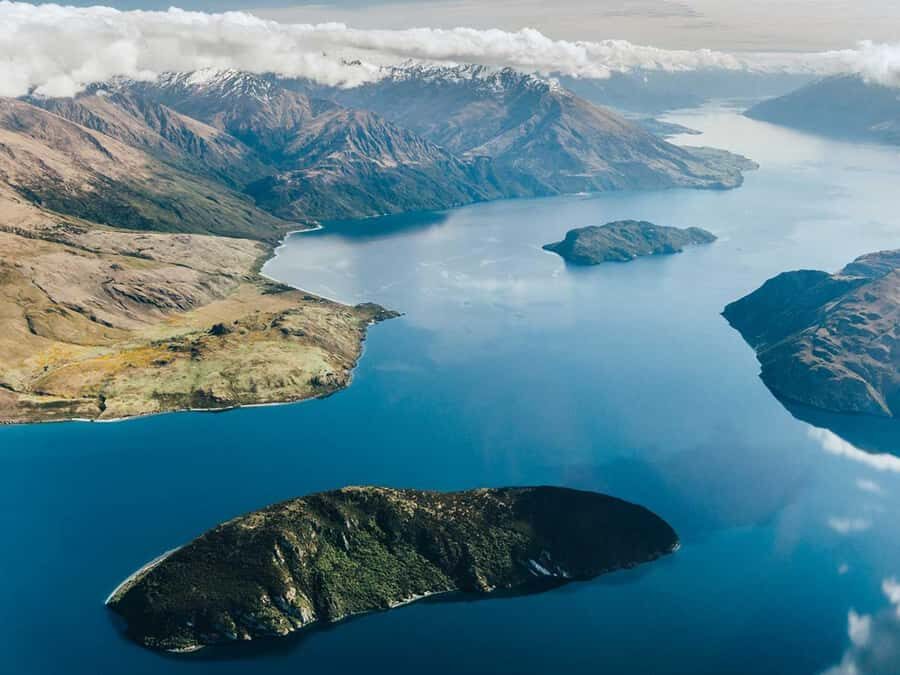
Milford Sound looks different from the sky. I love the birds-eye views back over Lake Wanaka and the mountains, and I love seeing over 100 glaciers and blue ice from your window on the way in. One thing to consider: if you’re tall, check the plane’s legroom before you go.
The real magic is that you don’t just fly past Milford Sound—you get a short landing so you can sense the scale of those cliff faces and waterfalls up close. You’ll also fly back over Fiordland National Park and past Queenstown’s Lake Wakatipu.
This is a tight, efficient 2-hour experience that still gives you both the aerial wow and a bit of ground-level Milford time. Just keep in mind that flights can shift for operational reasons, so flexible plans help.
In This Review
- Key Things to Know Before You Book
- From Wanaka to Milford Sound by Air: The Big Idea
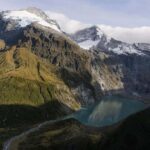
- The Flight In: Lake Wanaka, Mt. Aspiring, and 100+ Glaciers
- Getting Your Bearings: What “Landing at Milford Sound” Really Means
- The Ground Moment: Cliff Faces, Waterfalls, and a Quick Walk
- The Return Flight: Fiordland National Park and Lake Wakatipu
- Who Runs the Show: Pilot, Live Guide, and a Small Group Feel
- Value: Why This Flight Feels Worth It Even Without Hours on the Ground
- Weather and Schedule: When Flights Don’t Go As Planned
- Is This the Right Milford Sound Experience for You?
- Should You Book This Wanaka to Milford Sound Flight?
- FAQ
- How long is the Milford Sound flight from Wanaka?
- Does this trip start in Wanaka and return to Wanaka?
- Do you land at Milford Sound?
- Is there time for photos and a walk after landing?
- What will I see from the air during the flight?
- What’s the route like on the way back?
- What size is the group?
- Is there a live guide, and what language do they speak?
- What cancellation option is offered?
Key Things to Know Before You Book
- Glacier counting from your window: You’re promised views of 100+ glaciers and blue ice.
- Mt. Aspiring shows up on the route: You’ll see it from above on the way from Wanaka.
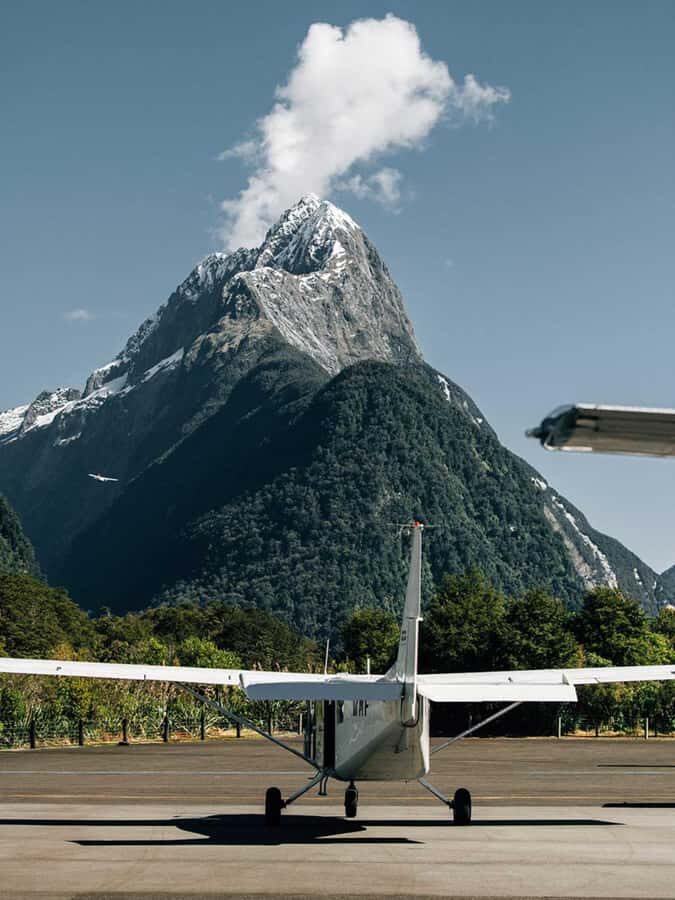
- A brief Milford Sound landing: It’s short, but it’s enough to appreciate the cliff-and-waterfall scale.
- Photo time on the ground: You’ll have a chance to take more pictures after landing.
- Optional bush walk: A quick walk is part of the Milford Sound time.
- Small group size (max 6): Easier day-of logistics and more personal attention.
From Wanaka to Milford Sound by Air: The Big Idea
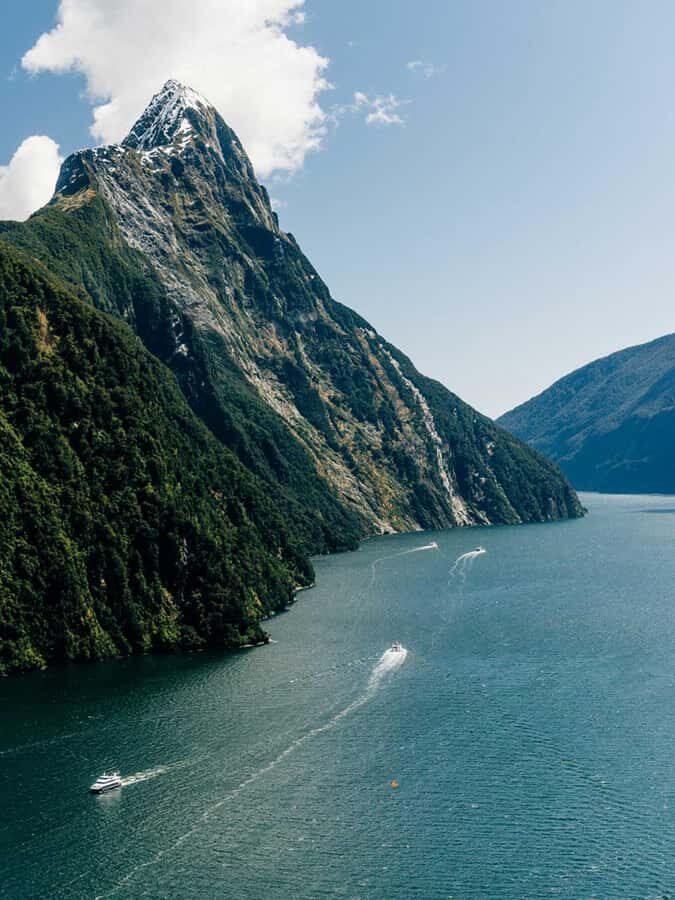
Flying from Wanaka gives you two things most Milford Sound trips can’t: scale and speed. From the moment you lift off, the scenery turns into a giant map—lakes, mountain ridges, then glaciers and ice fields that look almost impossible from the ground.
What makes this especially appealing is the mix of viewpoints. You get the classic Milford Sound look from above, then you actually land for a short time so you can feel what those “mile-high” cliff faces look like in real life. That combination is the whole point: you’re not choosing between panorama and a closer look—you get both.
Also, you’re not doing this on a huge bus of people. The group is limited to 6, and there’s a live English tour guide, which helps when you’re trying to understand what you’re seeing out the window.
Other Milford Sound tours we've reviewed in Wanaka
The Flight In: Lake Wanaka, Mt. Aspiring, and 100+ Glaciers

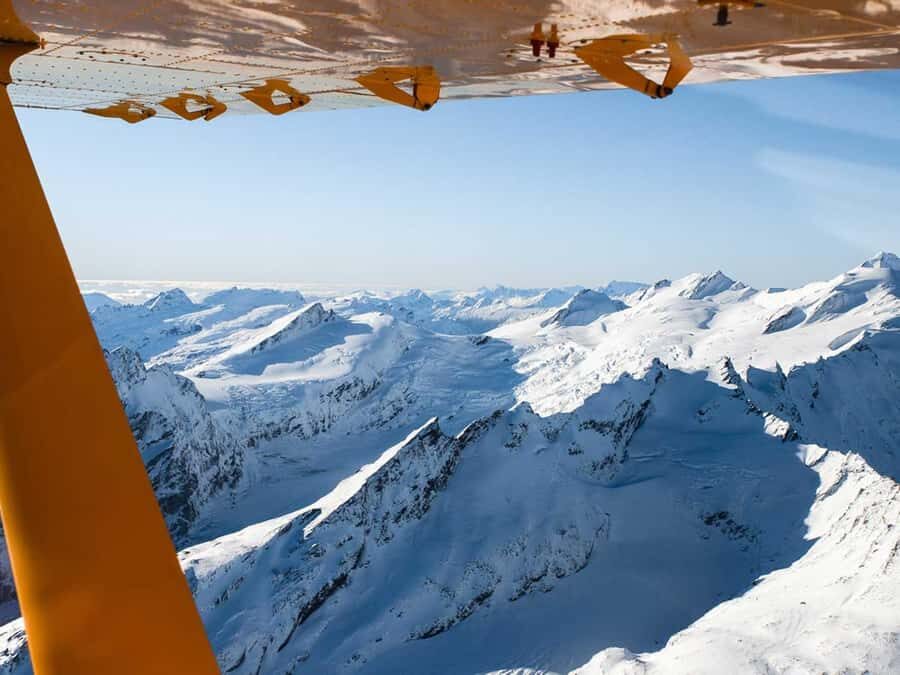
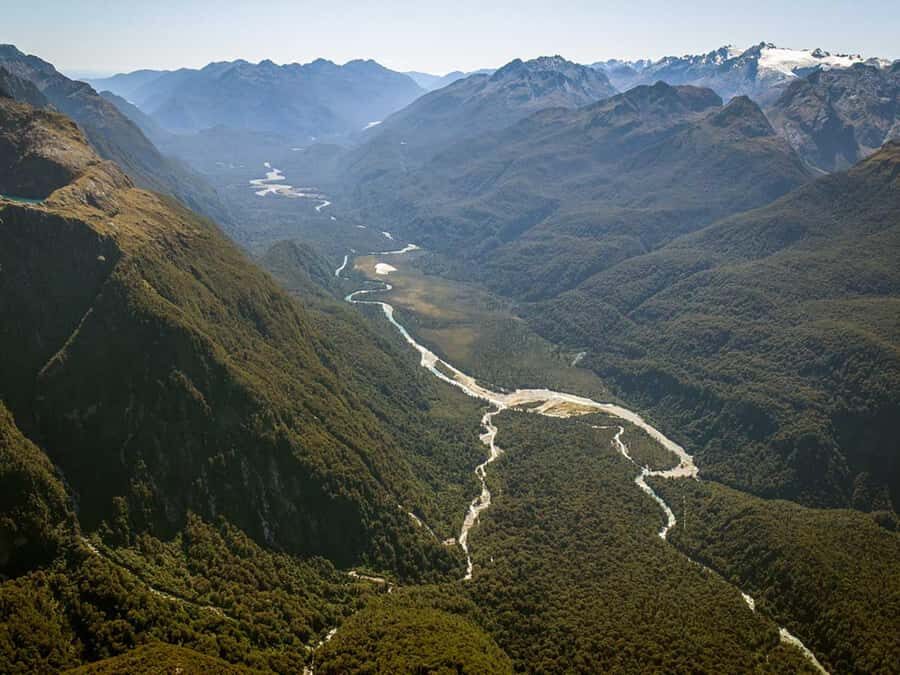
The best part of the inbound route is that it reads like a highlight reel of the South Island’s spine. You start with a birds-eye view of Lake Wanaka and the surrounding mountains. Then the terrain shifts from alpine peaks to ice country, with a promise of seeing 100+ glaciers and blue ice during the flight.
If glaciers are your thing, this is the most direct way to experience them. You’re not just seeing one “spot”—you’re seeing a whole system. Glaciers and ice patches in motion are hard to grasp from a distance, but from the air you can connect the dots: where ice sits, how it flows down valleys, and how it fits into the bigger mountainside.
You’ll also get a view of the mighty Mt. Aspiring. It’s one of those landmarks that can look dramatic in any season, and seeing it from above helps you understand its size and the way the surrounding ridgelines frame it.
One more detail that matters: you’re promised world heritage rainforest scenery as part of the aerial views. That’s important because Fiordland isn’t only ice and peaks. It’s also wet, forested valleys that make the contrast in the views feel even stronger—ice up high, deep green below.
And yes, you’ll pass over remote alpine lakes from the air. Even if you’ve seen glacier photos before, these “in-between” views often end up being the most relaxing part—because your eyes get a break from mountains and can just follow the lines of water.
Getting Your Bearings: What “Landing at Milford Sound” Really Means
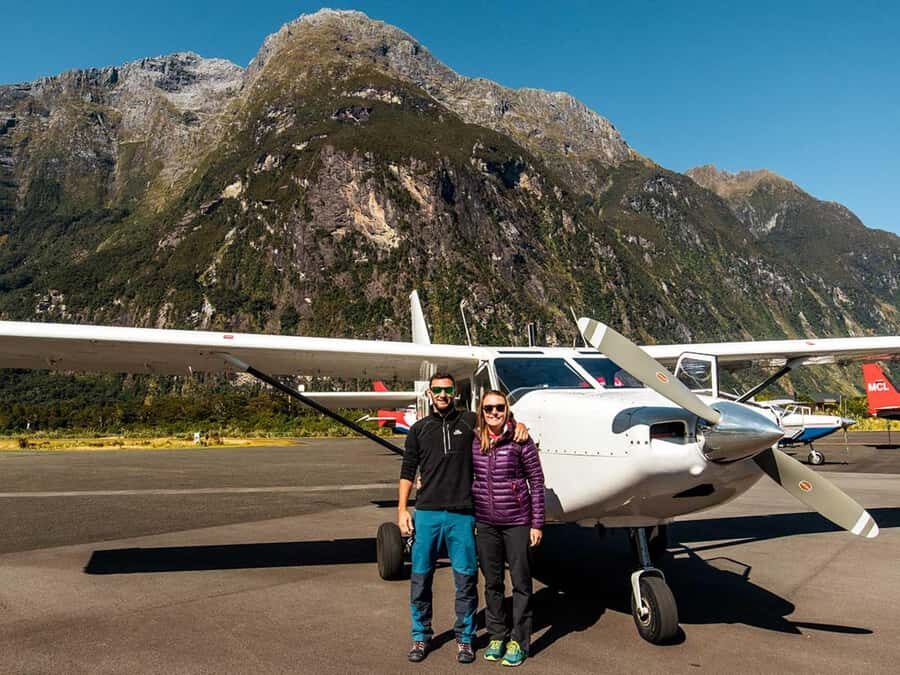
Most Milford Sound experiences either focus on the boat cruise or on long ground travel. This one adds a different kind of access: a short landing at Milford Sound itself.
That landing time is brief, but it changes everything. From the air, waterfalls look like streaks. On the ground, you can see how they spread, how water collects, and how cliff walls rise straight up. The tour describes mile-high cliff faces and incredible waterfalls—what that means in practice is that your brain stops treating Milford Sound like “scenery” and starts treating it like a place with scale and force.
You also get time specifically for more photos after landing. That’s not a gimmick. Photography from inside a plane window is fine, but you’re dealing with reflections and distance. Once you’re on the ground, you can get sharper angles and a sense of distance that just isn’t possible from the cockpit.
There’s also an option for a short bush walk. You won’t be turning this into a full hike day, but even a small walk can help you understand how the environment feels—how steep things are, how the air changes, and how the waterfall noise sits in the space around you.
The Ground Moment: Cliff Faces, Waterfalls, and a Quick Walk
The Milford Sound landing experience is built around short bursts of “look closer.” You have enough time to take photos and get a feel for the scale. That’s a good approach if you’re not trying to spend hours commuting or hiking.
From what’s described, you’ll be able to see Milford Sound’s dramatic elements up close: those steep cliff walls and incredible waterfalls. The scale is the takeaway. From the air, you get the full diagram. From the ground, you feel the verticality.
The optional bush walk adds a useful layer. Even when a walk is short, it tends to do one thing: it gives your brain a reference point. When you’re standing on the ground near steep terrain, the heights feel real. And if you’re the type who wants to understand a place, the walk makes the whole experience more than just a photo stop.
Tip that comes straight from experience: if you’re hoping for the best photos, give yourself a few minutes at the landing spot before you start shooting everything. Milford Sound has a way of making you want to photograph everything at once, but choosing angles first helps you avoid running out of time.
The Return Flight: Fiordland National Park and Lake Wakatipu
On the way back, you fly back to Wanaka over Fiordland National Park. That matters because Fiordland is a big area, not one view. From the air, it reads like a set of linked valleys, ridges, and waterways—and you get to see how the “Milford area” fits into the broader national park.
You’ll also fly past Queenstown’s Lake Wakatipu. That contrast is satisfying if you’re mixing trip vibes—glacier-heavy Fiordland on one side of the flight, then the more familiar lake-and-town geography on the other.
The return route is often where you appreciate what you already saw. You’ll notice features you couldn’t fully interpret on the inbound leg because your attention was on getting your first glacier and cliff views. Coming back, you start to spot patterns: where valleys open, how the coast curves, and how the rainforest zones transition into mountain zones.
Also, the tour description notes the operation can give you additional flight time each way. It’s advertised as extra time in the air, which is exactly what you want on a scenic flight—time is the commodity here. More time means more chances for angle changes and better views as the plane shifts position.
Other Wanaka tours we've reviewed in Wanaka

Who Runs the Show: Pilot, Live Guide, and a Small Group Feel

This is operated by Southern Alps Air, and it includes a live English tour guide. In a small group of up to 6, that guide can focus on what you can actually see rather than making generic announcements for a crowd.
One standout detail from real-world experience: the pilot, Ryan, was described as friendly, extremely knowledgeable, and a strong communicator. That kind of pilot communication matters more than you’d think. When you know what you’re looking at—like where the glaciers are relative to the terrain—you get more out of the flight, and you spend less time guessing.
Small group size also improves the experience in practical ways. You don’t have the same “everyone scramble” energy that you get on larger tours. It also makes it easier to manage photo and timing expectations around the landing.
Comfort is the only real caveat. One tip that’s worth taking seriously: if you’re tall and concerned about seating, check the legroom. The plane is small enough that your body shape can make a difference.
Value: Why This Flight Feels Worth It Even Without Hours on the Ground
There’s a reason this kind of Milford Sound product sells. It compresses the must-see parts into a 2-hour timeframe without cutting out the major wow factors.
Here’s how the value works in plain terms:
- You’re buying access to a place you normally reach by long travel.
- You’re buying time in the air, which is where glaciers and the whole Fiordland system really click.
- You’re buying a landing moment, so you don’t only experience Milford Sound as a distant image.
If you’re limited by time—maybe you’re doing a wider South Island route and can’t devote a full day—this fits neatly. It’s also a great choice if you want a Milford Sound “first hit” that feels complete enough to be memorable, even if you later come back for a cruise.
That said, this is not a “linger forever” experience. The landing is short by design. If you want to spend lots of time walking around, you may find yourself wanting more ground time than this offers. In that case, pair it with a cruise or plan a separate day focused entirely on being on the water.
Weather and Schedule: When Flights Don’t Go As Planned
New Zealand scenic flights are weather-dependent, and the region’s conditions can affect operations. One real-world booking issue highlighted that a flight can be cancelled more than once, and refund timing can be frustrating when you’re trying to coordinate a tight itinerary.
My advice is simple: build a little flexibility around this day. If you’re traveling on fixed reservations for other parts of your trip, make sure you have a buffer.
On the positive side, the activity offers free cancellation up to 24 hours in advance for a full refund, and you can often keep plans flexible with pay-later style booking. That reduces risk if you’re watching weather or juggling multiple legs of the trip.
Is This the Right Milford Sound Experience for You?
This flight is best for people who want maximum scenery per hour. You’ll love it if:
- Glaciers and ice views are a must for you.
- You’re short on time but still want Milford Sound to feel real, not distant.
- You like understanding places through multiple angles—air first, then a brief ground moment.
- You’d rather fly than spend a long chunk of the day on travel-heavy alternatives.
It might not be ideal if:
- You want lots of time on foot and long hiking breaks.
- You’re very sensitive to changes in flight plans and can’t add any flexibility.
If you’re traveling as a couple or a small circle of friends, the max 6 group size tends to make it feel calmer and more personal.
Should You Book This Wanaka to Milford Sound Flight?
I think you should book it if you want Milford Sound in two styles—from above and for a brief but meaningful time on the ground—without spending an entire day in transit. The glacier and blue-ice promise is a huge part of the draw, and the landing adds the scale that aerial views can’t fully deliver.
One decision point: if you’re tall, take that legroom note seriously before you commit. Also, give yourself some itinerary breathing room because flight operations can change.
If those two checks look good, this is a strong way to experience Milford Sound at least once, with views that feel closer to what the place really is—ice, rainforest, cliffs, and waterfalls—stacked into a single 2-hour outing.
FAQ
How long is the Milford Sound flight from Wanaka?
The flight duration is listed as 2 hours.
Does this trip start in Wanaka and return to Wanaka?
Yes. It’s a scenic roundtrip flight from Wanaka to Milford Sound and back to Wanaka.
Do you land at Milford Sound?
You get a brief landing at Milford Sound so you can capture the scenery with more photo time from the ground.
Is there time for photos and a walk after landing?
Yes. The landing includes a chance to take more photos, and there is also an option for a short bush walk.
What will I see from the air during the flight?
You’ll see birds-eye views of Lake Wanaka and the surrounding mountains, plus over 100 glaciers including blue ice. The route also includes Mt Aspiring, remote alpine lakes, and world heritage rainforest scenery.
What’s the route like on the way back?
After the Milford Sound portion, you fly back to Wanaka over Fiordland National Park and past Queenstown’s Lake Wakatipu.
What size is the group?
The group is limited to 6 participants.
Is there a live guide, and what language do they speak?
Yes, there is a live tour guide, and the language is English.
What cancellation option is offered?
You can cancel up to 24 hours in advance for a full refund.