REVIEW · WANAKA
Wanaka: Rob Roy Glacier Guided Hike with Lunch
Book on GetYourGuide →Operated by Eco Adventures Wanaka · Bookable on GetYourGuide
Glacier views come with a rainforest climb. This guided trip in Mt Aspiring National Park pairs a scenic drive from Wanaka with a swing bridge crossing, then a steady walk into a cold New Zealand beech rainforest before the Rob Roy Glacier view opens up big and dramatic. I love the way your guide turns the hike into a living lesson on geology, plants, birds, and local farming. I also like that lunch is not an afterthought; it lands right at the best viewpoint so you can actually enjoy it. One drawback: you do need a sustained effort on an easy-to-intermediate climb for about 3 hours, so if uphill walking drains you fast, this may feel long.
You’ll start near a sheep farm, follow the Matukituki River, and work your way toward open ground where the glacier hangs above the valley. The small group size (limited to 6) helps keep the pace comfortable, and guides like Markus are the kind of people who make details matter without rushing you.
In This Review
- Key highlights I’d prioritize
- Wanaka to Matukituki Valley: the drive that sets the tone
- Raspberry Hut to the swing bridge: stepping onto the Matukituki River
- The 2.5-hour rainforest climb: learning the forest while your legs warm up
- When the forest drops: finding the Rob Roy Glacier clearing
- Gourmet lunch with the hanging-glacier view
- How hard is it: pace, elevation, and gear that actually matters
- Price and value: what $251 covers (and why it can be worth it)
- Who should book this Rob Roy Glacier hike
- Should you book? My decision checklist
- FAQ
- How long is the experience?
- Where does the tour start and end?
- Is lunch included?
- What is the hiking difficulty and fitness requirement?
- What should I bring?
- Does the tour provide hiking poles?
- Are children allowed?
- Is it wheelchair accessible?
- FAQ
- What language is the guide?
- How big is the group?
- What happens if I cancel last minute?
- Is pickup included for hotels outside central Wanaka?
Key highlights I’d prioritize
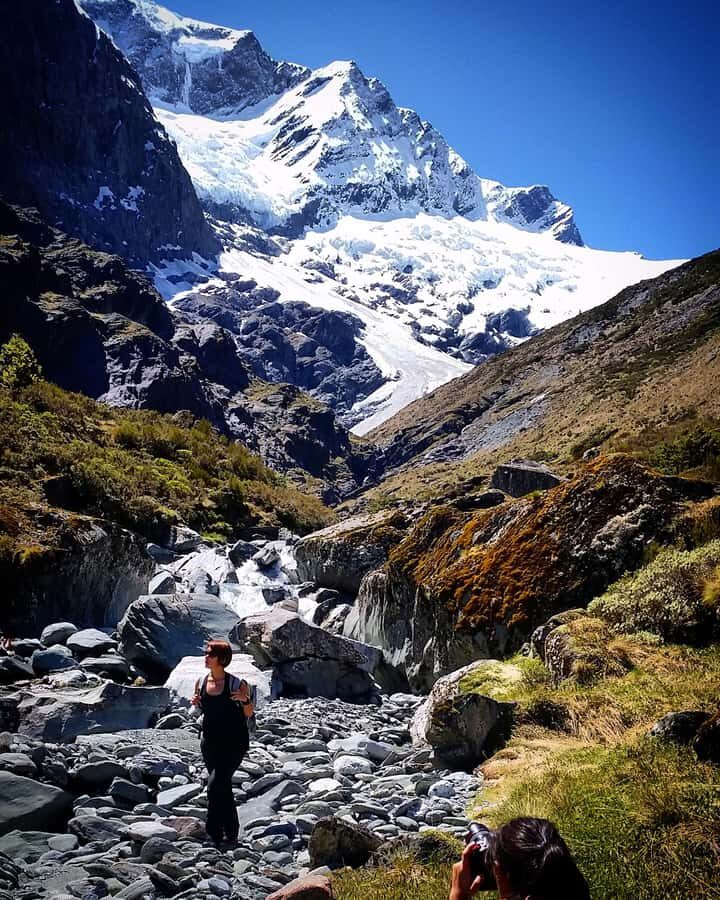
- Lake Wanaka to Matukituki Valley drive with scenic stopping points and river fords on the route
- Swing bridge over the Matukituki River as your first real gateway into the national park
- Beech rainforest climb that takes you from riverbank shade into brighter open ground
- Rob Roy Glacier clearing views with waterfall scenery across the valley
- Gourmet lunch at the viewpoint so the best part of the day isn’t just photos
- Wildlife spotting with an expert guide including the chance to see kea
Wanaka to Matukituki Valley: the drive that sets the tone
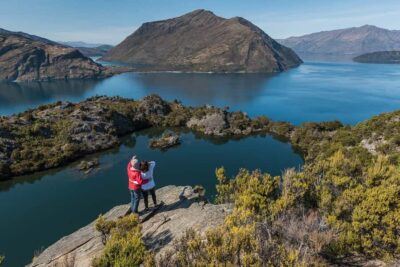
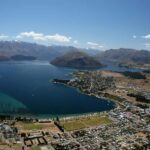
Your day starts with pickup in Wanaka and a van ride that feels like part pre-hike warm-up, part “look at this” tour. The route runs around Lake Wanaka and pushes into the Matukituki Valley, so you get an early sense of how quickly the scenery changes as you head toward the mountains.
Along the way, you’ll travel through river fords. It’s not extreme, but it does mean you should plan for roadside spray and muddy bits getting into your world. If you’re the type who keeps your socks clean for the whole trip, mentally relax that idea now.
A big value here is that someone else handles the driving and the timing. You’re not trying to figure out where the track begins or how to manage a day with shifting weather. Instead, you spend your brain power on preparing for the actual walk: water, sunscreen, a daypack that’s comfortable on the shoulders, and shoes you trust on uneven ground.
The drive also matters because Mt Aspiring National Park isn’t just a place you reach. It’s a place you enter. The change in vegetation as you go, and the way the valley tightens, sets expectations so the hike doesn’t feel like a surprise workout.
Other Wanaka tours we've reviewed in Wanaka
Raspberry Hut to the swing bridge: stepping onto the Matukituki River
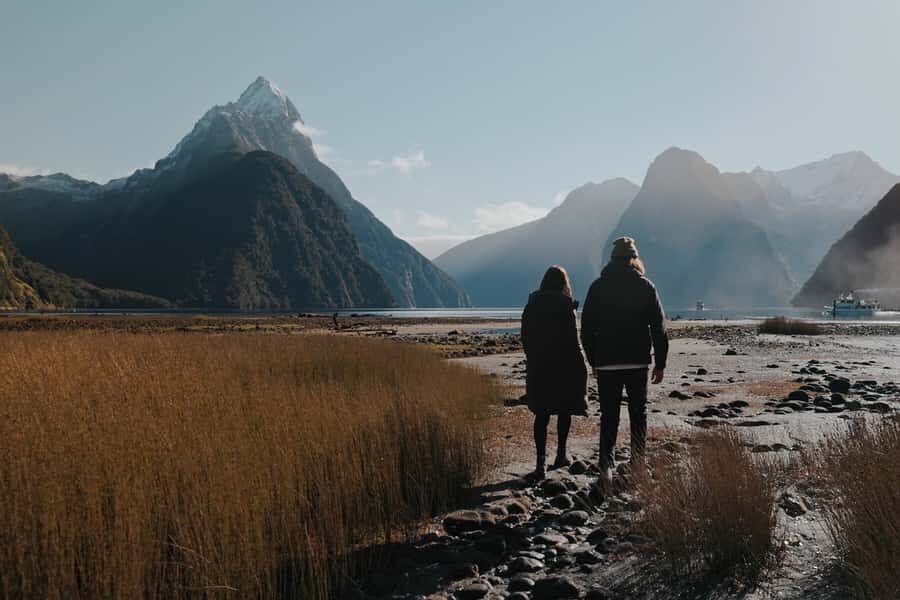
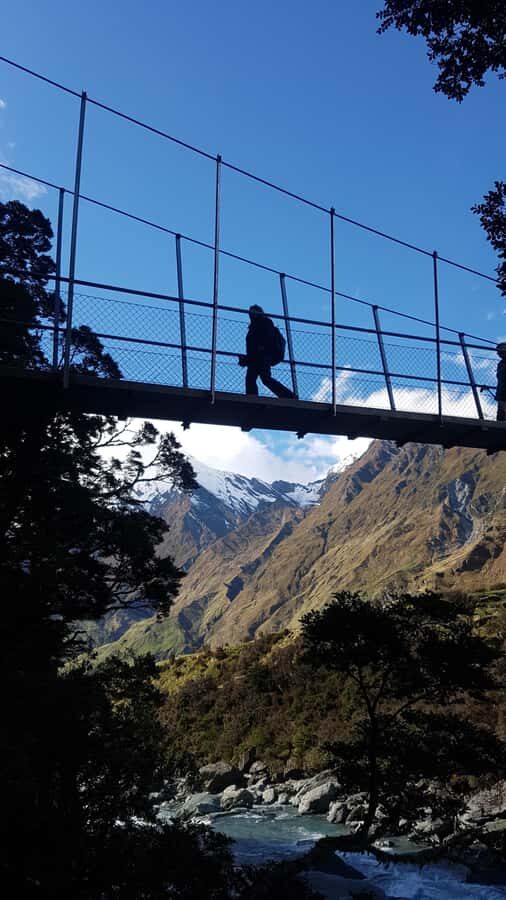
After the drive, you move into the Matukituki Valley on foot. The walking route starts with a guided approach along the riverbanks, and then you reach the swing bridge crossing. Crossing it changes the whole feel of the day: one moment you’re in the valley approach, the next you’re fully in the track system that leads toward the glacier views.
That swing bridge is more than a photo moment. It’s a practical boundary marker into the environment—this is where you start noticing how the trackside details matter: the sound of water, the damp air under the trees, and the way the gorge shapes the route.
Once you’re over, the trail begins its steady climb into a New Zealand beech rainforest. This is where your local guide earns their keep. You’re not just walking through trees; you’re learning to read what’s around you—how the forest supports the wildlife, what grows where, and how the landscape has been used and shaped over time.
From the Matukituki corridor, you’ll likely hear the river roaring in places, and that sound becomes a kind of compass for your ears. In damp rainforest, it also makes the hiking atmosphere feel more alive, even when your legs are working.
One practical note: the bridge and the early trail are a good time to settle into your pace. If you start sprinting your way up to beat the climb, you’ll regret it later when the path continues its push.
The 2.5-hour rainforest climb: learning the forest while your legs warm up
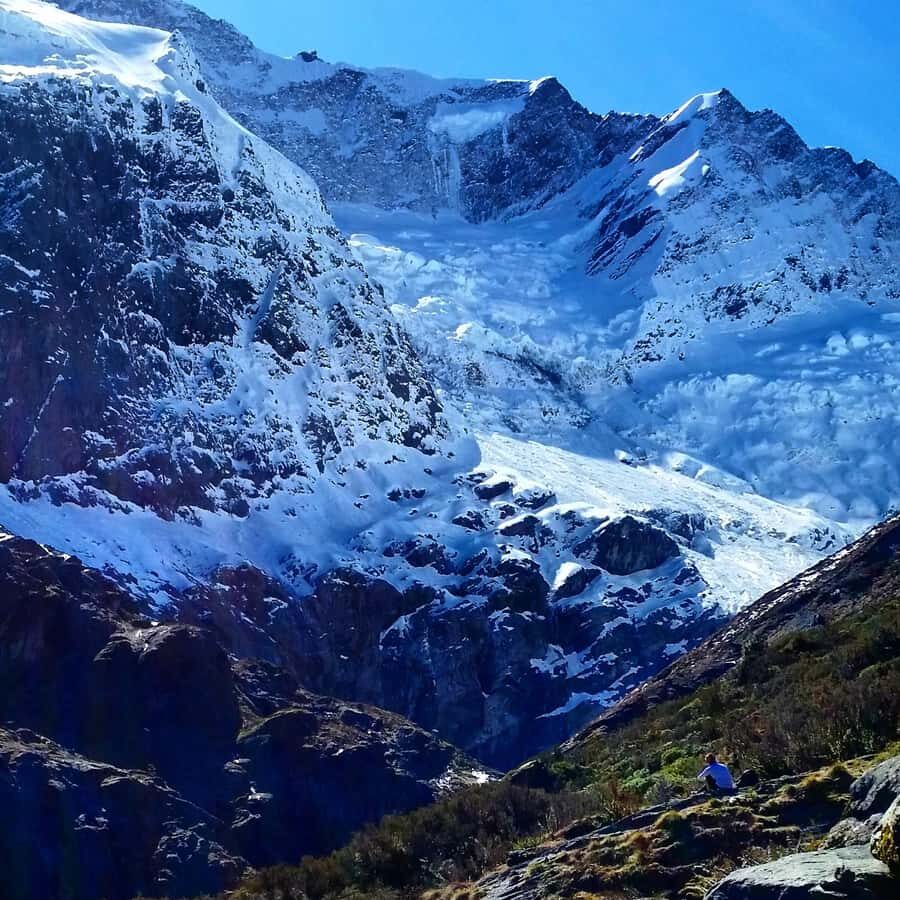
Most of the effort happens in the first stretch. After about 2.5 hours walking in the rainforest, the forest begins to thin and drop away into more open terrain. That transition is a key part of why this hike works so well: you’re not only chasing a glacier view; you’re getting the full “from temperate rain to open sky” progression.
The beech rainforest section is usually cooler and more sheltered. That’s good news if hot weather makes you cranky. The damp air can also make you feel like you’re walking through a living, breathing environment rather than a static trail.
This is where your guide’s interpretation makes a noticeable difference. With a guide like Markus, you’re more likely to get thoughtful explanations about:
- how plants and forest structure support birds and other wildlife
- how geology and waterways have shaped the valley
- local farming context you pass along the way in
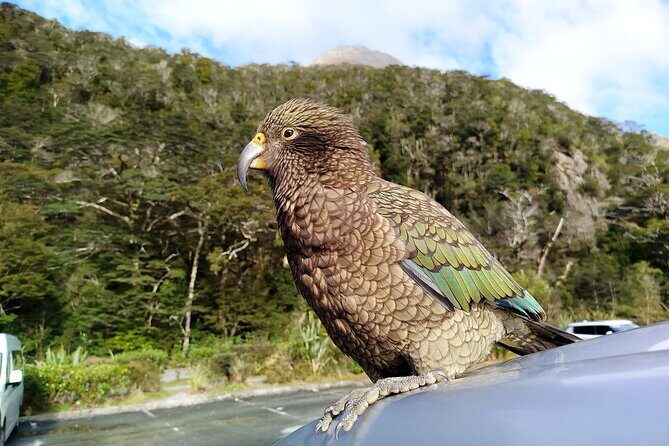
And yes, wildlife is part of the package. You might even spot kea, the mountain parrot. Your best chance is usually to slow down and let the guide do the scanning—don’t rush past the moments your eyes need time to catch.
If you’re the kind of hiker who enjoys small wins (a new bird call, a plant you can name, a change in light on the trail), this rainforest stretch will feel like more than just “the hard part before the view.”
When the forest drops: finding the Rob Roy Glacier clearing
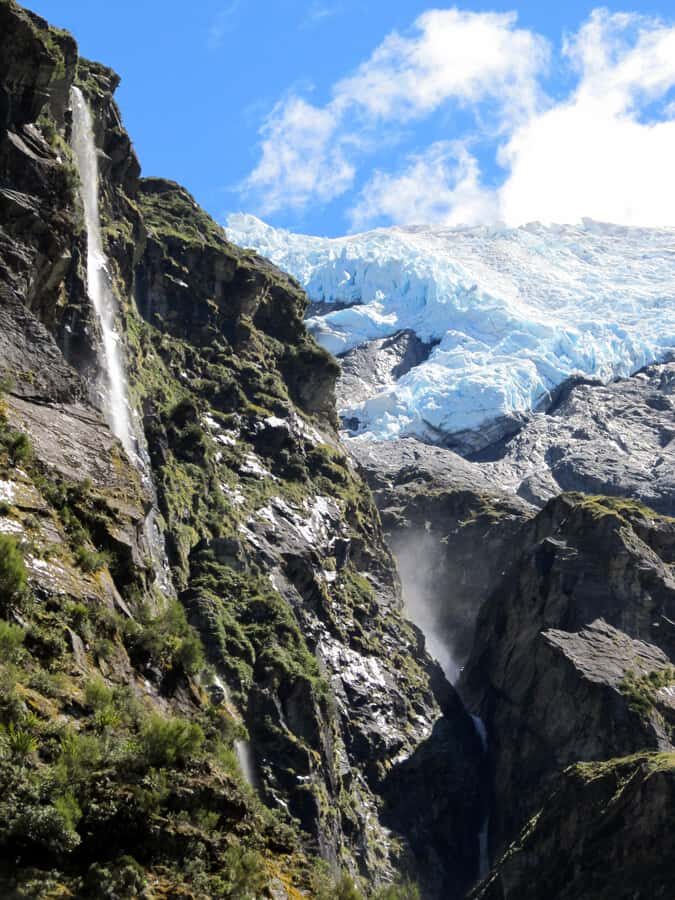
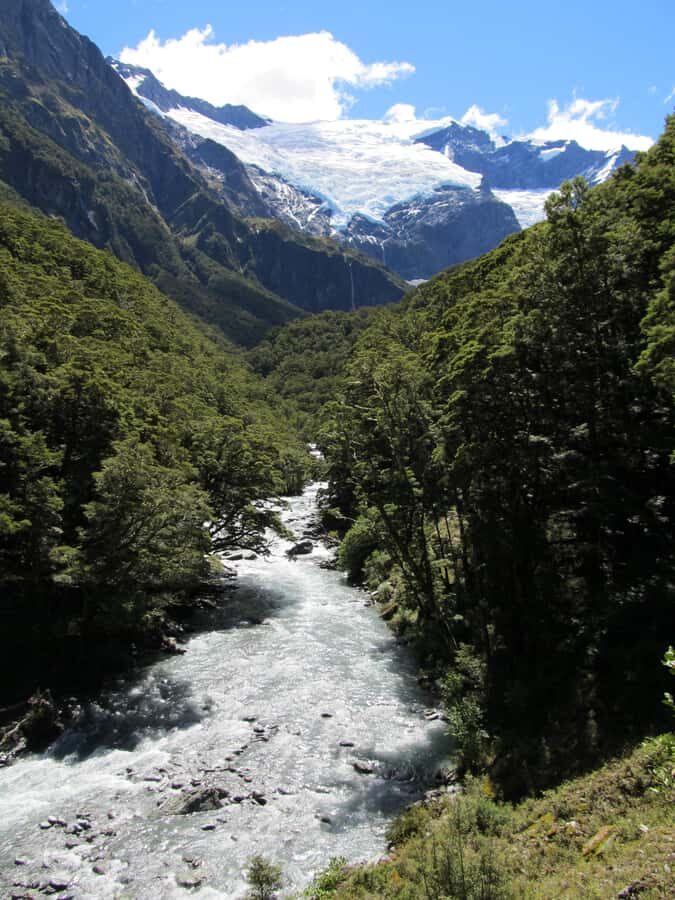
Then comes the payoff. Once the rainforest gives way to open ground, you start seeing why Rob Roy Glacier is the headline.
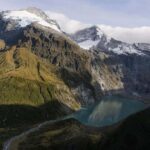
In this phase, the walk stops feeling like an uphill tunnel and starts feeling like a route toward an obvious destination. Views become more direct, and the valley starts to open up. You may spot hanging ice features and waterfalls across the way, depending on weather and cloud cover.
It’s also common for your guide to talk about the ice dynamics and what it means to be in a glacier region. One strong detail from a recent guide experience: there can be booming avalanches you can hear and see from the right vantage. Even if that doesn’t happen during your timing, glacier country has its own soundtrack—water, wind shifts, and distant movement are part of the feeling.
This is the moment to slow down. If you rush to reach the clearing and then immediately stand up and leave, you miss the point. The clearing is where your effort converts into calm. Sit when you can, let your eyes adjust, and give your brain time to process the scale.
And since lunch is coming right here, you’ll be ready to enjoy a proper break rather than a quick snack on the move.
Gourmet lunch with the hanging-glacier view
Your lunch stop is built into the best-view area. That’s a smart design choice. You’re not scrambling for lunch on the way out. You’re eating after your legs have done their work, with the glacier and valley sitting in front of you.
The lunch is described as gourmet, but the bigger value is the setting. In glacier hikes, the temptation is to treat food like fuel only. Here, food is part of the experience: you get a chance to relax, reset, and enjoy the view without rushing to the next checkpoint.
This is also a good time to do practical stuff you might otherwise forget:
- refill your water (or take a careful sip before you move again)
- sunscreen check—after rainforest shade, sun can hit harder in open ground
- quick body check for any hot spots in your shoes
If you tend to get chilly on shaded trails, remember that open ground doesn’t always mean warm. Layers matter. The guide can also help you decide when to sit and when to move, especially if weather changes fast.
Other guided tours in Wanaka
How hard is it: pace, elevation, and gear that actually matters
Let’s talk fitness without drama. The walk involves a steady climb into rainforest and then into open ground. You need to be able to walk up a sustained easy-to-intermediate graded path for about 3 hours, and carry your personal items and water for a full day.
One reported route from a recent experience put elevation gain around 450m over roughly 6.5km on the way in, then back the same way. That’s a good mental model for what your body will feel: continuous effort rather than steep technical scrambling.
Gear matters because this is not a stroll. Stick to:
- comfortable shoes with grip
- sunscreen
- water in a daypack
- weather-appropriate clothing
- a daypack that stays comfortable while climbing
Hiking poles can be helpful. Poles are available if required, which is great if you’re not sure whether you’ll love them. If your knees don’t enjoy downhill sections, poles can be a big comfort upgrade.
Also, this hike isn’t for people who need wheelchair access or who can’t manage sustained walking. It’s not designed around mobility aids.
And do respect the simple rules for the day: avoid alcohol, don’t bring bikes, and don’t plan on using anything that interferes with safety on narrow paths.
Price and value: what $251 covers (and why it can be worth it)
At $251 per person for an 8-hour day, this isn’t a bargain hike. It is, however, a full guided mountain experience.
Here’s what you’re paying for:
- an experienced local guide who interprets what you’re seeing
- transport from Wanaka including pickup and drop-off
- a guided walk along the Matukituki River and the Rob Roy Track
- entry to Mt Aspiring National Park
- a gourmet lunch
- hiking poles if you need them
- a small group limit to 6, which helps the guide manage pacing and attention
The value math gets more interesting when you consider what self-guided trips often miss. Glacier-area days depend on knowing the track approach, managing timing, and staying safe in changeable weather. Even if you could theoretically drive yourself, you’d still need to pack a full day, plan for lunch, and handle the navigation and safety side without an expert interpreting geology and ecology while you hike.
If you want more than views—and you want the story behind them—this price can make sense. If you’re hoping for a light walk with minimal effort and zero focus on planning your day, you’ll likely feel it’s pricey for what you get.
Who should book this Rob Roy Glacier hike
This hike fits you best if you want a true “two worlds in one day” route: riverbank rainforest in the morning, then open ground glacier views later. You’ll probably enjoy it if you like:
- guided nature interpretation
- wildlife spotting with a scan-and-wait mindset
- solid walking with a steady uphill feel
- lunch as an event, not just a snack
It’s also a good choice for small-group hikers who don’t want to feel like one name in a clipboard line. The group limit helps you move at a comfortable pace and actually hear what your guide is pointing out.
Skip it if:
- you’re not able to walk a sustained easy-to-intermediate climb for around 3 hours
- you need wheelchair access or mobility support for uneven ground
- your child is under 6
Should you book? My decision checklist
Book the Rob Roy Glacier guided hike if you can say yes to these:
- You’re comfortable with a sustained climb and carrying your own daypack gear.
- You like guides who explain plants, birds, and the valley’s farming and geology context as you hike.
- You want lunch in a glacier-view clearing, where the break feels earned.
- You prefer a small group (up to 6) and a calm, managed pace.
Think twice if:
- you get overwhelmed by long uphill walking, even on a good track
- you hate river-ford-style routes where you might get splashed or muddy
- you want a purely leisurely walk with minimal effort
If you’re a fit hiker who enjoys learning while moving, this is one of those rare days where the payoff feels built into the schedule—not tacked on at the end.
FAQ
How long is the experience?
The full experience runs about 8 hours, including transportation and a hike portion that totals around 4 hours on foot.
Where does the tour start and end?
Pickup is from your accommodation in Wanaka, and the tour returns you back to Wanaka.
Is lunch included?
Yes. You’ll have a gourmet lunch as part of the hike in the Rob Roy Glacier viewing area.
What is the hiking difficulty and fitness requirement?
You need to be able to walk for about 3 hours on a sustained easy-to-intermediate graded path, and you should be able to carry a daypack with personal items and water.
What should I bring?
Bring comfortable shoes, sunscreen, water, and weather-appropriate clothing, plus a daypack.
Does the tour provide hiking poles?
Hiking poles are provided if required.
Are children allowed?
The tour is not suitable for children under 6 years.
Is it wheelchair accessible?
No. It is not suitable for people with mobility impairments or wheelchair users.
FAQ
What language is the guide?
The live tour guide speaks English.
How big is the group?
The group is limited to 6 participants.
What happens if I cancel last minute?
Free cancellation is available up to 24 hours in advance for a full refund.
Is pickup included for hotels outside central Wanaka?
The tour includes pickup and drop-off from local accommodations in Wanaka. You’ll want to confirm your exact pickup point when booking.